Smart lighting refers to lighting systems that include embedded technologies—such as chips, sensors, and wireless communication—that allow lights to connect, respond, and adapt. Unlike traditional lights that only switch on or off, smart lighting enables dimming, color changes, scheduling, automation, and remote control via apps or voice assistants
Smart lighting exists to provide convenience, energy savings, and enhanced control. By using intelligent sensors, connectivity protocols (like Wi-Fi, Bluetooth, or Zigbee), and automation, smart lighting systems deliver lighting tailored to lifestyle, wellness, and efficiency needs.
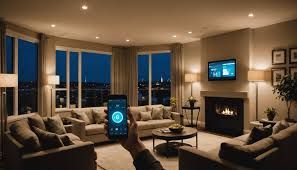
Why Smart Lighting Matters Today
Smart lighting is relevant across homes, offices, cities, and commercial spaces. Its value lies in several key benefits:
Energy Efficiency & Sustainability
Smart lighting systems conserve energy by adapting intensity, responding to daylight, and using long-lasting LEDs—supporting environmental goals and reducing waste.
Enhanced Comfort & Wellness
Tunable LEDs that mimic natural daylight cycles can support circadian rhythms, improving mood and focus. In offices, this contributes to well-being and productivity.
Inclusive Design & Accessibility
Voice and gesture control make lighting accessible for users with mobility challenges.
Smart City & Infrastructure Integration
Public lighting systems integrated into IoT networks help cities save energy and manage infrastructure more effectively.
These benefits affect general consumers, facilities managers, urban planners, and wellness-oriented designers—helping solve energy wastage, poor lighting quality, and lack of automation.
Recent Trends and Developments
Smart lighting continues to evolve rapidly. Recent highlights include:
-
Matter Standard Gains Ground (2025): The Matter smart home interoperability standard has advanced with version 1.4 and wider support—boosting setup, device compatibility, and reliability.
-
Philips Hue Bridge Pro (August 2025): The upcoming Hue Bridge Pro includes built-in motion sensing (MotionAware), increased device capacity, Wi-Fi support, and AI features—allowing existing lights to act as motion detectors.
-
Integration of AI and Behavior Automation: Smart lighting systems are becoming predictive—adjusting based on user behavior and environmental cues without manual input.
-
Layered and Tunable Lighting Trends: Modern lighting focuses on warmth, layered zones (ambient, task, accent), and dynamic dim-to-warm LEDs that mimic natural daylight.
These developments signal better interoperability, smarter automation, and health-conscious design.
Regulatory and Policy Landscape
Smart lighting is shaped by safety rules, energy codes, and industry standards. Here's a snapshot:
| Region / Aspect | Relevant Guidelines & Programs |
|---|---|
| United States | Energy Policy Act and ASHRAE 90.1 standards mandate advanced lighting controls and sensors; DOE promotes tax deductions for efficient systems |
| LED Product Safety | Regulations such as 47 CFR Part 15 (RF emissions), 10 CFR Part 305 (energy labeling), RoHS, and UL safety standards apply to smart lighting devices |
| Smart Lighting Interoperability | Zhaga Consortium sets interface standards to ensure modularity and upgradeability of LED components; TALQ Protocol defines global standards for smart street lighting and IoT city networks |
These regulations ensure safety, energy efficiency, interoperability, and long-term system flexibility.
Useful Tools and Resources
Helpful tools and platforms can simplify design, planning, and implementation:
-
Connectivity & Protocol Standards: Zhaga and TALQ for component and network interoperability.
-
Smart Home Compatibility Guides: Overviews of communication protocols and system behavior.
-
Trend Analysis & Design Guides: Guides outlining types of smart lighting and setup tips.
-
Academic Innovations:
-
DIY IoT systems for buildings showcasing real-time illuminance control and energy savings of up to ~80%.
-
Digital twin approaches for designing lighting in virtual architectural models.
-
These range from standards documentation to practical design tools and emerging research.
Common Questions About Smart Lighting
What makes smart lighting different from traditional lighting?
Smart lighting includes embedded chips, sensors, and wireless communication—enabling remote control, automation, dimming, and color changes. Traditional lighting lacks these capabilities.
Which protocols are used for smart lighting?
Common wireless options include Wi-Fi, Bluetooth, and Zigbee. Zigbee is valued for low power use and continued operation if Wi-Fi fails.
How does smart lighting save energy?
By using energy-efficient LEDs, adapting brightness to daylight or occupancy, enabling schedules and automation, and minimizing unnecessary operation.
What’s the role of standards like Zhaga and TALQ?
Zhaga ensures modular component compatibility—making replacements and upgrades easier. TALQ enables interoperability between smart city lighting systems and central management software.
Will smart lighting improve accessibility?
Yes. Voice and gesture control features make lighting more accessible, especially for users with limited mobility or dexterity.
Final Thoughts
Smart lighting connects illumination with intelligence—providing energy efficiency, wellness-centered design, accessibility, and seamless automation. With evolving standards like Matter and Hue Bridge Pro offerings, integration and user experience are improving rapidly. Regulations support safety and efficiency, while tools and research pave paths to smarter, greener lighting systems.
Understanding smart lighting today equips you to plan environments that are comfortable, adaptable, and future-ready—whether for personal spaces, workplaces, or urban infrastructure.