Smart Meters Explained: Basics, Benefits, and Energy-Saving Insights
Smart meters are digital devices that measure electricity, gas, or water usage and automatically send this data to utility providers. Unlike traditional meters that require manual readings, smart meters use communication networks to share information in near real time. This shift is part of a broader movement toward modernizing energy systems and improving how resources are managed.
The concept of smart meters developed alongside advances in digital communication and energy infrastructure. Governments and utility providers began adopting these devices to improve accuracy in billing, reduce manual processes, and give households better insight into their energy consumption. Today, smart meters are a key part of smart grid systems, which aim to balance energy demand and supply more efficiently.
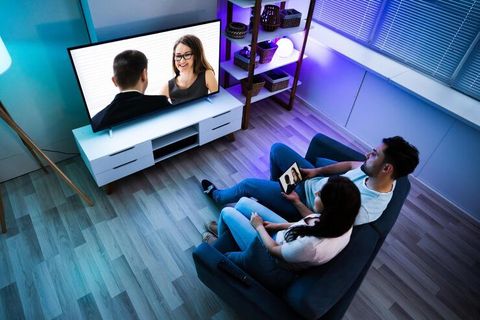
Understanding smart meters explained in simple terms helps readers see how these devices fit into everyday life. They are typically installed in homes or buildings and connect to in-home displays or online dashboards that show energy use patterns. This visibility allows users to make informed decisions about how and when they use energy.
Importance
Smart meters matter because they address several challenges related to energy use, including inefficiency, lack of transparency, and delayed information. For many households, traditional meters only provide monthly or periodic readings, which makes it difficult to track daily usage or identify patterns.
With smart meters, users can access detailed insights into their energy consumption. This can help identify high-usage appliances, peak usage times, and areas where energy may be wasted. As a result, households can adjust their behavior to reduce unnecessary consumption.
Key benefits include:
- Real-time monitoring: Users can view energy usage throughout the day rather than waiting for monthly summaries.
- Improved accuracy: Automated readings reduce errors associated with manual data collection.
- Energy-saving insights: Detailed data allows households to understand where energy is being used and adjust accordingly.
- Support for energy efficiency programs: Utilities can design programs that encourage reduced usage during peak times.
Smart meters also play a role in broader environmental goals. By helping users reduce energy consumption, they contribute to lower overall demand, which can support efforts to reduce emissions and conserve resources.
Recent Updates
Recent years have seen steady expansion in the adoption of smart meters across many regions. Governments and energy providers continue to invest in upgrading infrastructure to support digital metering systems.
One notable trend is the integration of smart meters with mobile applications and online platforms. These tools allow users to track energy usage remotely, receive alerts, and analyze historical data. This makes energy management more accessible and convenient.
Another development is the use of advanced data analytics. Utilities can analyze aggregated data from smart meters to better understand consumption patterns across communities. This helps in planning energy distribution and reducing strain on the grid during peak periods.
In addition, some regions are exploring time-based pricing models enabled by smart meters. These models encourage users to shift energy usage to off-peak times, which can help balance demand.
Laws or Policies
The implementation of smart meters is often guided by government policies and regulatory frameworks. These rules ensure that deployment is carried out in a structured and transparent way, while also protecting consumer interests.
In countries like India, national programs have been introduced to support the rollout of smart metering systems. These initiatives aim to improve billing accuracy, reduce energy losses, and enhance overall efficiency in the power sector.
Key policy considerations include:
- Data privacy: Regulations define how user data is collected, stored, and used.
- Standardization: Technical standards ensure compatibility between devices and systems.
- Consumer awareness: Programs often include efforts to educate the public about how smart meters work and how to interpret the data.
- Infrastructure development: Policies support the upgrade of communication networks needed for smart meter operation.
These frameworks help ensure that smart meters are implemented in a way that balances technological advancement with user protection.
Tools and Resources
Several tools and platforms can help users understand and manage their energy usage when using smart meters. These resources are designed to make data easier to interpret and apply in daily life.
Common tools include:
- Mobile apps: Many utility providers offer apps that display real-time energy usage and historical trends.
- Online dashboards: Web-based platforms provide detailed reports and visualizations of consumption patterns.
- Energy calculators: These tools estimate how much energy specific appliances use, helping users identify areas for improvement.
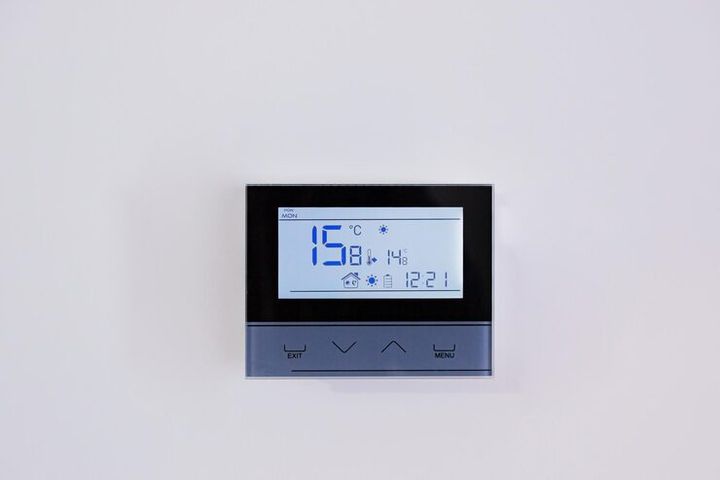
- In-home displays: Small devices connected to the smart meter show live energy usage within the household.
Below is a simple table showing how traditional meters compare with smart meters:
| Feature | Traditional Meter | Smart Meter |
|---|---|---|
| Data Collection | Manual reading | Automatic transmission |
| Usage Information | Periodic (monthly) | Near real-time |
| Accuracy | Depends on manual entry | Digitally recorded |
| User Access to Data | Limited | Detailed and accessible |
| Integration with Tools | Minimal | Compatible with apps |
These tools and comparisons help users better understand how smart meters function and how they can support energy-saving insights.
FAQs
What are smart meters and how do they work?
Smart meters are digital devices that measure energy usage and send this data automatically to utility providers. They use communication networks to transmit readings, removing the need for manual checks.
How do smart meters provide energy-saving insights?
Smart meters provide detailed data about when and how energy is used. This allows users to identify patterns, reduce unnecessary usage, and adjust habits to improve efficiency.
Are smart meters explained differently for electricity and gas?
The basic concept is similar for both electricity and gas. The main difference lies in how the data is measured and transmitted, but both types provide real-time or near real-time usage information.
Do smart meters affect monthly billing?
Smart meters improve the accuracy of billing by providing precise usage data. Bills are based on actual consumption rather than estimates.
Is the data from smart meters secure?
Regulations require that data collected by smart meters is protected through secure systems. Access is typically limited to authorized entities, and privacy rules are applied.
Conclusion
Smart meters represent an important step in modernizing how energy usage is measured and managed. They provide detailed, real-time information that helps households understand their consumption patterns. By offering energy-saving insights and improving accuracy, these devices contribute to more efficient energy use. As adoption continues to grow, smart meters are likely to play a larger role in shaping future energy systems.