Smart Water Heaters: Energy Efficiency Guide and Installation Insights
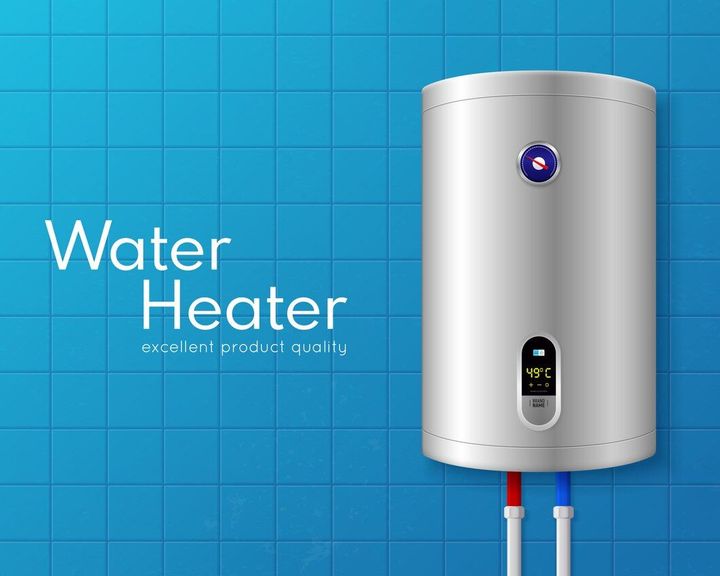
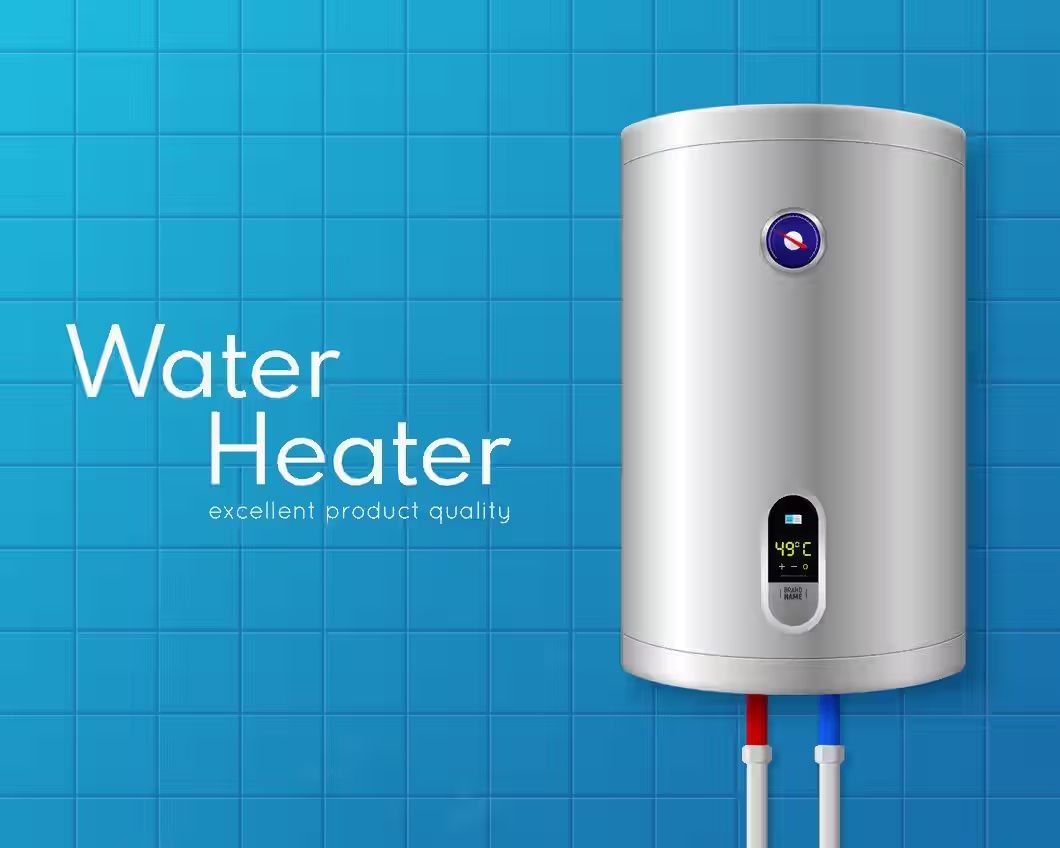
Smart water heaters are advanced appliances that use digital controls, sensors, and internet connectivity to manage water heating more efficiently. Unlike traditional systems that heat water at fixed intervals, these devices adapt to usage patterns, temperature preferences, and electricity availability. Many models connect to mobile applications, allowing remote monitoring and scheduling.
Water heating has traditionally been one of the largest contributors to residential electricity consumption. Smart water heaters aim to address this issue by reducing unnecessary heating cycles and offering real-time monitoring. Users can manage hot water usage efficiently through mobile applications and programmable settings.
These systems are available in electric, gas, and heat pump models. Some integrate with home automation platforms, enabling remote temperature adjustment and usage tracking. Their development aligns with the global push toward energy-efficient appliances and sustainable infrastructure.
Why Smart Water Heaters Matter Today
Energy consumption patterns have changed significantly over the last decade. Urban households rely heavily on appliances, increasing electricity demand. Water heating can account for 15–25% of residential energy use, depending on climate and usage habits.
Key Benefits
Smart water heaters address multiple challenges:
- Reducing energy consumption through smart scheduling
- Improving safety with automatic shut-off systems
- Providing maintenance alerts to prevent breakdowns
- Supporting sustainability goals
Target Users
They are particularly relevant for:
- Apartment residents in urban areas
- Large families with fluctuating hot water needs
- Property developers integrating smart building solutions
- Energy-conscious homeowners
With rising electricity tariffs and growing environmental awareness, households are seeking energy-efficient solutions that reduce long-term utility expenses. Smart water heaters provide measurable energy data, helping users make informed decisions.
Shifting heating cycles to off-peak periods also supports grid stability and aligns with demand-response programs in several countries.
Recent Updates and Industry Trends in 2025
The smart appliance sector has seen steady innovation over the past year. Key developments in smart water heaters include:
- AI-Based Energy Optimization: Models use machine learning to analyze household water usage and adjust heating schedules automatically.
- Improved Heat Pump Integration: Smart heat pump water heaters gain popularity due to higher energy efficiency ratings.
- Grid-Connected Features: Integration with smart grids helps reduce strain during peak periods.
- Enhanced Mobile Apps: Apps now provide detailed energy analytics, historical usage charts, and predictive maintenance alerts.
- Sustainability Certifications: Products increasingly meet international environmental benchmarks.
In emerging markets like India, adoption is growing due to expanding smart home infrastructure and improved internet connectivity. Developers are incorporating connected water heating systems into residential projects, reflecting increased consumer awareness.
Laws, Policies, and Regulatory Framework in India
Smart water heaters are influenced by energy efficiency regulations and appliance standards. In India, the Bureau of Energy Efficiency (BEE) regulates energy performance labeling. New smart and heat pump models are being evaluated under updated energy efficiency norms.
Key Regulatory Aspects
- Star Labeling Program: Indicates appliance energy performance.
- Electrical Safety Standards: Compliance with national safety codes is mandatory.
- Green Building Guidelines: Projects following green certifications often recommend energy-efficient water heating systems.
Globally, frameworks such as U.S. Department of Energy standards influence manufacturers to innovate toward higher efficiency and lower emissions. These policies ensure that smart water heaters meet safety, efficiency, and environmental benchmarks, providing consumers with transparent energy information.
Energy Efficiency Comparison Table
| Type of Water Heater | Energy Efficiency Level | Connectivity | Typical Usage Pattern |
|---|---|---|---|
| Conventional Storage | Moderate | No | Manual operation |
| Instant (Tankless) | High | Limited | On-demand heating |
| Heat Pump Smart Heater | Very High | Yes | Automated & adaptive |
| Smart Storage Heater | High | Yes | Scheduled heating |
Heat pump smart heaters generally deliver the highest efficiency because they transfer heat rather than generate it directly.
Tools and Resources for Smart Water Heater Management
Several tools help users evaluate and manage smart water heaters:
- Energy Efficiency Calculators: BEE appliance comparison tools, utility provider calculators
- Mobile Applications: Manufacturer-specific apps, integration with Google Home and Amazon Alexa
- Smart Home Platforms: Apple HomeKit compatibility, IoT dashboards for centralized monitoring
- Monitoring and Analytics: Real-time energy dashboards, usage trend reports, predictive maintenance alerts
These tools empower users to optimize performance. Some electricity distribution companies also provide portals for households to monitor overall energy consumption.
Installation Insights and Best Practices
Proper installation is crucial for performance and energy efficiency. Key considerations include:
- Adequate ventilation for heat pump models
- Stable Wi-Fi connectivity for smart features
- Proper insulation of water pipes
- Compliance with electrical load capacity
- Placement close to high-demand water outlets
Households should assess daily water usage, available space, and electrical infrastructure before installation. Professional installation ensures compliance with regulations, while routine maintenance extends lifespan and maintains efficiency.
Frequently Asked Questions
What makes a water heater “smart”?
A smart water heater includes internet connectivity, programmable controls, and usage monitoring features, manageable via mobile apps or home automation systems.
Do smart water heaters reduce electricity consumption?
Yes, by optimizing heating schedules and preventing unnecessary reheating cycles. Savings depend on usage habits and model efficiency.
Are smart water heaters suitable for small apartments?
Yes, compact models are available. Installation feasibility depends on ventilation and electrical capacity.
Can smart water heaters work during internet outages?
Most systems continue basic heating operations, but remote control and app-based monitoring may be unavailable.
How long do smart water heaters typically last?
With proper maintenance, units can operate effectively for 8–15 years, similar to conventional systems.
Environmental Impact Overview
Smart water heaters support environmental sustainability by:
- Lowering electricity demand
- Reducing carbon emissions when paired with renewable energy
- Supporting efficient energy distribution systems
Conceptual Energy Optimization:
- Traditional Heater → Fixed Heating Schedule → Higher Energy Waste
- Smart Heater → Adaptive Heating Schedule → Lower Energy Waste
By aligning heating cycles with actual usage, households can reduce unnecessary power consumption significantly.
Future Outlook
The future of smart water heaters is tied to advancements in IoT, AI, and renewable energy integration. Upcoming innovations may include:
- Deeper integration with solar power systems
- Enhanced predictive analytics
- Automatic maintenance diagnostics
- Greater compatibility with smart grids
As sustainability policies strengthen and urban infrastructure evolves, adoption is expected to increase steadily. Builders and developers are increasingly incorporating energy-efficient appliances into residential projects.
Conclusion
Smart water heaters represent a practical step toward energy-efficient living. Combining heating technology with digital intelligence, these systems improve performance, reduce energy waste, and enhance household convenience.
With AI-driven optimization features and regulatory frameworks promoting energy conservation in 2025, smart water heaters are becoming increasingly relevant. Integration with smart home ecosystems and energy monitoring tools offers measurable benefits.
For households seeking efficiency, control, and sustainability alignment, smart water heaters provide a balanced, technology-driven solution.