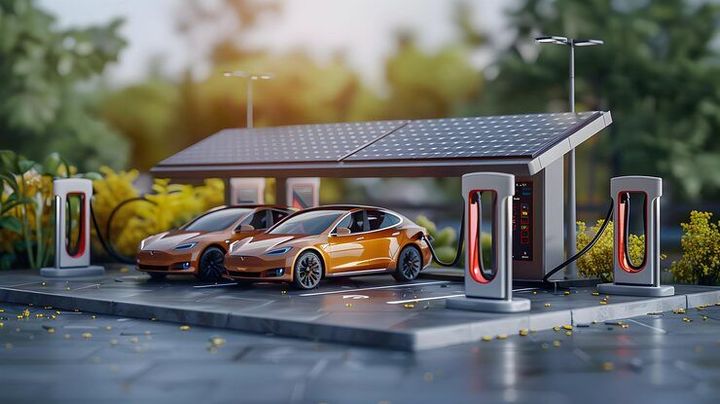
Solar-Powered Vehicles: A Complete Guide to Clean and Sustainable Transportation
Solar-powered vehicles are transportation systems that use energy from the sun to operate. They rely on solar panels, usually installed on the vehicle’s surface, to capture sunlight and convert it into electricity. This electricity is then used to power an electric motor or stored in batteries for later use.
The concept of solar-powered transportation emerged as a response to environmental concerns and the need for cleaner energy alternatives. Traditional vehicles powered by fossil fuels contribute to air pollution, greenhouse gas emissions, and climate change. Solar-powered vehicles aim to reduce these impacts by using renewable energy.
These vehicles can range from small experimental cars to buses, bikes, and even boats. While fully solar-powered cars are still developing, many modern electric vehicles are beginning to integrate solar technology as a supplementary energy source.
Why Solar-Powered Vehicles Matter Today
Solar-powered transportation plays an important role in addressing global environmental challenges. As countries focus on reducing carbon emissions, clean mobility solutions are becoming more relevant.
Key reasons why this topic matters include:
- Environmental protection: Solar vehicles reduce reliance on fossil fuels, lowering carbon emissions and air pollution.
- Energy sustainability: Sunlight is a renewable resource, making it a long-term solution for transportation energy needs.
- Reduced dependency on fuel imports: Countries can rely more on domestic renewable energy instead of imported oil.
- Technological advancement: Solar mobility encourages innovation in battery storage, energy efficiency, and electric systems.
These vehicles affect multiple groups, including urban commuters, policymakers, environmental researchers, and industries focused on clean technology. They also help address problems such as rising fuel demand, urban pollution, and climate change.
Recent Trends and Developments in Solar Mobility
Over the past year, solar-powered transportation has seen steady progress, particularly in research and prototype development.
Some notable updates include:
- 2025: Advancements in lightweight solar panels improved energy efficiency in vehicle design.
- Early 2026: Several automotive manufacturers introduced concept vehicles with integrated solar roofs capable of extending driving range.
- Battery innovation: New energy storage systems allow better retention of solar-generated power, improving usability.
- Urban mobility projects: Pilot programs in cities tested solar-powered buses and charging stations.
A key trend is the integration of solar technology into electric vehicles rather than relying solely on solar energy. This hybrid approach helps overcome limitations such as weather dependency and limited panel surface area.
Regulations and Government Policies Supporting Solar Vehicles
Government policies play a crucial role in shaping the development and adoption of solar-powered vehicles. Regulations vary by country, but many focus on promoting renewable energy and reducing emissions.
Common policy approaches include:
- Emission standards: Governments set limits on vehicle emissions, encouraging cleaner alternatives.
- Electric vehicle incentives: Policies supporting electric mobility indirectly benefit solar-powered vehicles.
- Renewable energy programs: National strategies promote solar energy adoption in transportation.
- Research funding: Grants and initiatives support innovation in solar vehicle technology.
Example Policy Areas
| Policy Area | Description |
|---|---|
| Clean Energy Targets | Goals to reduce carbon emissions through renewable energy |
| EV Infrastructure Support | Development of charging networks and smart grids |
| Innovation Grants | Funding for solar and battery research |
| Sustainability Regulations | Standards for eco-friendly transportation systems |
In countries like India, solar energy initiatives and electric mobility programs are gradually aligning to support sustainable transport solutions.
Useful Tools and Resources for Solar Mobility
Understanding and exploring solar-powered vehicles becomes easier with the help of various tools and platforms. These resources provide insights into energy efficiency, solar potential, and vehicle performance.
Helpful tools include:
- Solar energy calculators: Estimate how much energy solar panels can generate in different locations.
- Electric vehicle range estimators: Help understand how solar integration can extend travel distance.
- Energy efficiency simulators: Analyze how design changes affect vehicle performance.
- Government portals: Provide information on renewable energy programs and transportation policies.
- Educational platforms: Offer courses and guides on solar technology and sustainable mobility.
Common Tool Categories
| Tool Type | Purpose |
|---|---|
| Solar Calculators | Measure sunlight energy potential |
| EV Simulation Software | Analyze driving range and efficiency |
| Data Platforms | Provide insights on renewable energy usage |
| Policy Portals | Share updates on sustainability regulations |
These tools are useful for students, researchers, and anyone interested in clean transportation technologies.
Frequently Asked Questions About Solar-Powered Vehicles
What is a solar-powered vehicle?
A solar-powered vehicle uses solar panels to convert sunlight into electricity, which powers its motor or charges its battery.
Can solar-powered vehicles run entirely on sunlight?
In most cases, current models cannot rely solely on sunlight. They often combine solar energy with battery storage or electric charging systems.
Are solar-powered vehicles environmentally friendly?
Yes, they reduce carbon emissions and dependence on fossil fuels, making them a cleaner transportation option.
What are the limitations of solar vehicles?
Limitations include dependency on sunlight, limited energy generation from small panel surfaces, and current technological constraints.
How are solar vehicles different from electric vehicles?
Electric vehicles rely on battery charging from external sources, while solar vehicles generate electricity directly from sunlight, often as a supplementary energy source.
Conclusion
Solar-powered vehicles represent a promising step toward sustainable and environmentally responsible transportation. By using renewable energy from the sun, they offer a cleaner alternative to traditional fuel-based systems. Although current technology still faces challenges such as efficiency and scalability, ongoing innovation continues to improve their practicality.
With supportive government policies, advancements in solar panel technology, and increasing awareness of environmental issues, solar mobility is gradually becoming a meaningful part of the global transportation landscape. As research progresses, these vehicles may play a larger role in shaping a cleaner and more energy-efficient future.