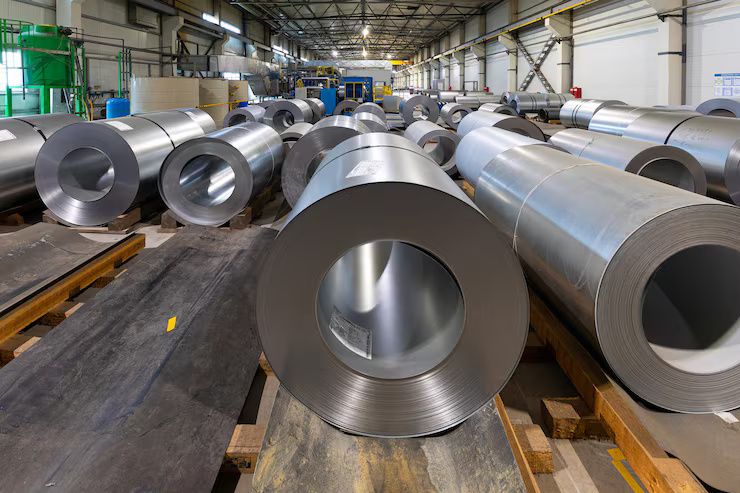
Stainless steel is a metal alloy primarily composed of iron, chromium, and small amounts of other elements such as nickel and molybdenum. It exists to provide improved resistance to corrosion, enhanced strength, and long-term durability compared to ordinary carbon steel.
The development of stainless steel was driven by the need for materials that could withstand moisture, chemicals, temperature variation, and repeated use without rapid degradation. Traditional steels were prone to rust when exposed to air and water. By adding chromium, engineers discovered that a thin protective oxide layer forms on the surface, reducing corrosion and improving surface stability.
Today, stainless steel is used across construction, manufacturing, transportation, medical equipment, food processing, and energy infrastructure. Learning about stainless steel helps explain why it behaves differently from other metals and why it is widely used in environments that demand reliability and cleanliness.
Importance
Stainless steel matters because modern infrastructure and industrial systems depend on materials that can perform consistently under demanding conditions. This topic affects manufacturers, engineers, designers, regulators, and learners interested in material science and industrial applications.
Key reasons stainless steel is important today include:
-
Increased demand for durable and corrosion-resistant materials
-
Growth of hygienic and safety-focused industries
-
Need for long-lasting structural and mechanical components
-
Emphasis on lifecycle performance and sustainability
Stainless steel helps solve several practical challenges:
-
Corrosion resistance: Reduces material degradation in harsh environments
-
Mechanical strength: Maintains structural integrity under stress
-
Hygiene: Supports clean and contamination-resistant surfaces
-
Longevity: Extends usable life of equipment and structures
Understanding stainless steel behavior supports informed decisions in material selection and system design.
Recent Updates
Over the past year, stainless steel research and application have focused on performance optimization and sustainability.
In 2024, materials science studies reported improvements in alloy composition aimed at enhancing corrosion resistance while reducing dependence on critical alloying elements. These studies emphasized performance stability in high-temperature and chemically active environments.
Key updates observed in late 2024 and early 2025 include:
-
Increased focus on low-carbon stainless steel grades
-
Improved surface treatment techniques for enhanced durability
-
Greater attention to stainless steel recyclability and circular use
-
Expanded use of advanced testing methods to predict material behavior
Industry publications released in 2024 also highlighted the role of stainless steel in energy transition projects, where long-term material reliability is critical.
Laws or Policies
Stainless steel production and usage are influenced by industrial standards, quality regulations, and environmental policies.
In India, stainless steel manufacturing and application are governed by national material standards, environmental regulations, and industrial safety guidelines. These frameworks ensure material quality, performance consistency, and responsible production practices.
Key policy areas affecting stainless steel include:
-
Material composition and quality certification standards
-
Environmental guidelines for metal processing
-
Workplace safety regulations in metal fabrication
-
Infrastructure and construction material codes
In 2024, regulatory authorities emphasized stricter compliance with material traceability and quality documentation. These policies influence how stainless steel is produced, tested, and applied across industries.
Tools and Resources
Various educational and technical resources help individuals understand stainless steel properties and behavior without promotional emphasis.
Helpful tools and resources include:
-
Material property charts explaining strength and corrosion behavior
-
Alloy composition reference tables for grade comparison
-
Corrosion resistance guides for environment-based selection
-
Mechanical testing standards documents
-
Engineering handbooks on metal behavior
Common Stainless Steel Types
| Type | Key Characteristic | Typical Use |
|---|---|---|
| Austenitic | High corrosion resistance | Food and medical equipment |
| Ferritic | Magnetic properties | Automotive components |
| Martensitic | High hardness | Cutting tools |
| Duplex | Strength and corrosion balance | Industrial systems |
Factors Affecting Stainless Steel Behavior
| Factor | Description | Impact |
|---|---|---|
| Chromium content | Protective oxide layer | Corrosion resistance |
| Temperature | Heat exposure | Strength variation |
| Surface finish | Smoothness | Hygiene and durability |
| Environment | Moisture and chemicals | Performance stability |
FAQs
What is stainless steel?
Stainless steel is a metal alloy designed to resist corrosion and maintain strength over time.
Why does stainless steel resist rust?
Chromium forms a thin protective layer on the surface that limits oxidation.
Are all stainless steel grades the same?
No. Different grades vary in composition, strength, and corrosion resistance.
Where is stainless steel commonly used?
It is used in construction, manufacturing, food processing, medical equipment, and energy systems.
Is stainless steel environmentally sustainable?
Its long lifespan and recyclability support sustainable material use.
Conclusion
Stainless steel is a critical material in modern engineering and industrial systems. Its unique behavior, driven by alloy composition and surface chemistry, enables reliable performance across diverse environments.
As industries focus on durability, safety, and sustainability, understanding stainless steel becomes increasingly important. Knowledge of its properties, regulatory influences, and recent developments helps explain why it remains a preferred material in demanding applications.
This guide presents stainless steel as a foundational material studied for its behavior and performance, emphasizing education and clarity rather than commercial promotion.