Streetwear Fashion Trends: A Complete Guide to Modern Urban Style
Streetwear fashion trends have become a significant part of modern clothing culture. Streetwear refers to a style of casual fashion that emerged from urban communities and was influenced by skateboarding, hip-hop, sportswear, music, youth culture, and creative self-expression. Over time, streetwear evolved from a niche movement into a widely recognized fashion category that influences clothing design around the world.
The origins of streetwear can be traced to the late twentieth century, when young people began combining comfortable clothing with cultural influences from music, art, and sports. Unlike traditional fashion movements that often originated from luxury fashion houses, streetwear developed through grassroots communities and local cultural scenes.
Today, streetwear fashion trends are visible in everyday clothing, social media content, entertainment industries, and global fashion events. The style continues to evolve as new generations contribute ideas and reinterpret classic streetwear elements.
Key Characteristics of Streetwear
Streetwear is often recognized through several common features:
- Relaxed and comfortable silhouettes
- Graphic T-shirts
- Hoodies and sweatshirts
- Sneakers
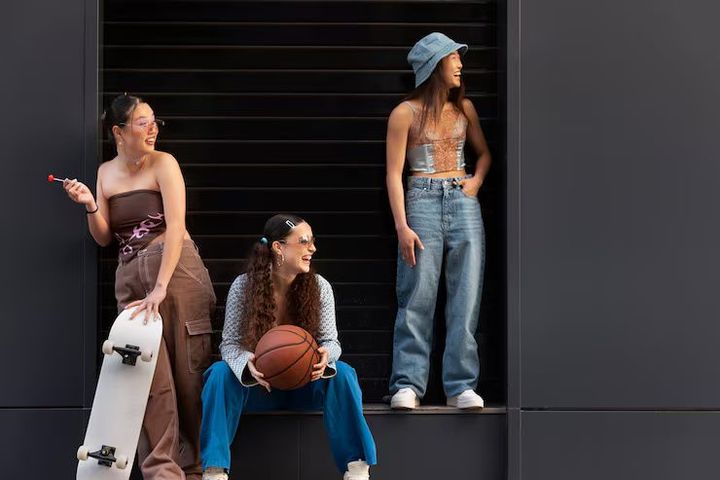
- Cargo pants
- Denim apparel
- Caps and accessories
- Layered outfits
While styles vary across regions and cultures, comfort and personal expression remain central themes.
Common Streetwear Clothing Categories
| Clothing Category | Typical Features | Common Use |
|---|---|---|
| Hoodies | Casual fit, graphic designs | Everyday wear |
| T-Shirts | Printed artwork or logos | Casual styling |
| Sneakers | Comfort-focused footwear | Daily activities |
| Cargo Pants | Utility pockets and relaxed fit | Street fashion |
| Jackets | Layering and weather protection | Seasonal wear |
| Accessories | Hats, bags, jewelry | Style enhancement |
These items often serve as the foundation of modern streetwear outfits.
Importance
A Form of Cultural Expression
Streetwear fashion trends are closely linked to cultural identity and creative expression. Individuals often use clothing to reflect personal interests, artistic influences, and community connections.
The style has historically been influenced by music, visual arts, sports, and local urban culture.
Accessibility and Everyday Use
Unlike highly formal clothing, streetwear emphasizes practical garments suitable for daily activities. Comfortable fabrics and relaxed fits make streetwear appealing to people across different age groups.
Its versatility allows wearers to adapt outfits for various settings while maintaining a casual appearance.
Influence on Global Fashion
Streetwear has influenced many areas of the fashion industry. Elements once associated primarily with urban fashion now appear across mainstream apparel collections.
This influence demonstrates how cultural movements can shape broader fashion trends.
Connection to Youth Culture
Streetwear remains closely associated with younger generations, although its appeal extends beyond specific age groups. Social media platforms, music communities, and digital content creators continue to contribute to the visibility of streetwear fashion.
The style often reflects changing attitudes, values, and interests among younger audiences.
Encouraging Individual Style
Streetwear allows for significant customization through layering, accessories, and garment combinations. People frequently adapt trends to suit their own preferences rather than following strict fashion rules.
This flexibility supports creativity and personal identity.
Importance
Impact on Fashion Industry Innovation
Streetwear has encouraged experimentation with fabrics, garment construction, and design concepts. Manufacturers often explore new materials, sustainability initiatives, and technology-driven fashion solutions inspired by changing consumer preferences.
These developments contribute to ongoing innovation within the apparel industry.
Growth of Digital Fashion Communities
Online platforms have expanded the reach of streetwear culture. Fashion enthusiasts can share outfit ideas, discuss trends, and explore style influences from different regions.
Digital communities have become important sources of inspiration and information.
Influence on Lifestyle Trends
Streetwear is frequently connected with broader lifestyle movements involving music, art, sports, and urban culture. This relationship extends the influence of streetwear beyond clothing alone.
Many people view streetwear as part of a larger cultural identity rather than simply a fashion category.
Adaptation Across Global Markets
Streetwear trends vary between countries and regions. Local cultures often influence color choices, garment styles, and accessory preferences.
This adaptability has helped streetwear remain relevant across diverse fashion markets.
Recent Updates
Sustainable Streetwear Development
Between 2024 and 2026, sustainability continued to shape fashion discussions. Many apparel companies explored recycled materials, organic fibers, and production methods aimed at reducing environmental impact.
Consumers increasingly seek information regarding garment sourcing and material composition.
Oversized Silhouettes Remain Popular
Relaxed and oversized clothing continues to be a common feature of streetwear fashion trends. Hoodies, wide-leg pants, and loose-fitting jackets remain visible in many contemporary collections.
This trend reflects the continued emphasis on comfort and versatility.
Technology and Fashion Integration
Digital fashion tools, virtual fitting technologies, and online style recommendation systems have become more common. These innovations influence how consumers explore and evaluate streetwear apparel.
Technology continues to play a growing role in fashion engagement.
Revival of Vintage Influences
Many recent streetwear collections incorporate retro graphics, classic sportswear aesthetics, and vintage-inspired designs.
This trend combines historical references with modern styling approaches.
Growth of Gender-Neutral Fashion
Streetwear increasingly embraces gender-neutral design concepts. Many garments focus on fit flexibility and universal styling rather than traditional gender-specific categories.
This development reflects broader changes within the fashion industry.
Laws or Policies
Textile Labeling Regulations
Most countries require apparel products to include information about fiber composition, care instructions, and manufacturing origin.
These regulations help consumers understand product characteristics and maintenance requirements.
Consumer Protection Standards
Fashion companies are generally expected to provide accurate product descriptions and avoid misleading advertising claims.
Consumer protection laws vary by jurisdiction but commonly support transparency in marketing communications.
Intellectual Property Laws
Streetwear often incorporates original artwork, graphics, and branding elements. Intellectual property regulations help protect creative designs and trademarks.
These legal frameworks support innovation and brand differentiation.
Environmental Compliance
Many regions have introduced environmental regulations related to manufacturing practices, waste management, and textile production.
Fashion companies may be subject to reporting requirements concerning sustainability initiatives and environmental impact.
International Trade Requirements
Global supply chains influence the availability of streetwear products across different markets. Customs regulations, import standards, and trade agreements may affect distribution and product access.
These policies vary depending on the country and industry sector.
Tools and Resources
Fashion Trend Platforms
Trend analysis websites and fashion publications provide information about emerging streetwear fashion trends, seasonal developments, and cultural influences.
These resources help readers understand broader industry movements.
Digital Wardrobe Applications
Wardrobe management applications allow users to organize clothing collections and experiment with outfit combinations.
Such tools may assist individuals interested in exploring streetwear styling options.
Size Guide Resources
Online size charts help consumers compare garment measurements and fit information before selecting apparel.
Understanding sizing details can contribute to more informed clothing choices.
Textile Education Platforms
Fabric education resources explain common materials used in streetwear, including cotton, fleece, denim, polyester blends, and technical textiles.
These resources help consumers understand garment characteristics.
Fashion History Archives
Fashion archives and educational institutions provide historical information about the evolution of streetwear and related cultural movements.
These sources offer valuable context for understanding modern trends.
FAQs
What are streetwear fashion trends?
Streetwear fashion trends refer to evolving styles within casual urban clothing that draw inspiration from youth culture, sportswear, music, art, and everyday fashion.
Why are streetwear fashion trends popular?
Streetwear fashion trends are popular because they emphasize comfort, self-expression, versatility, and cultural relevance across various communities.
What clothing items are commonly associated with streetwear fashion trends?
Common items include hoodies, graphic T-shirts, sneakers, cargo pants, denim apparel, jackets, and accessories such as caps and bags.
How have streetwear fashion trends changed in recent years?
Recent trends include oversized silhouettes, sustainability-focused materials, vintage-inspired designs, technology integration, and gender-neutral clothing concepts.
Are streetwear fashion trends limited to younger people?
No. Although streetwear has strong connections to youth culture, people of many age groups incorporate streetwear elements into their everyday wardrobes.
Conclusion
Streetwear fashion trends have grown from local cultural movements into a globally recognized fashion category. The style combines comfort, creativity, and personal expression through garments such as hoodies, sneakers, graphic T-shirts, and relaxed-fit apparel. Recent developments include sustainability initiatives, digital fashion technologies, oversized silhouettes, and gender-neutral designs. Understanding streetwear provides valuable insight into how fashion, culture, and lifestyle continue to influence one another in contemporary society.