Study Room Wall Shelf Systems Guide for Organized and Smart Learning Spaces
Study room wall shelf systems are structured storage solutions installed on walls to organize books, documents, decorative items, and learning materials. These systems are designed to maximize vertical space while keeping desks and floors clear.
As homes become more compact and remote learning grows, especially in urban areas, the need for efficient home office design and space-saving furniture has increased. Wall-mounted shelves help address limited space by turning unused wall areas into functional storage zones.
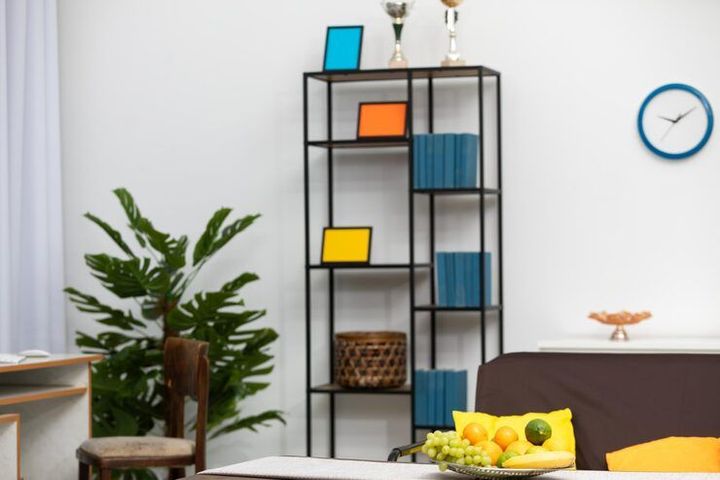
Wall shelf systems range from floating shelves and modular racks to adjustable track-based shelving. Common materials include engineered wood, solid wood, metal, and laminated boards. Their purpose is to create an organized environment that supports productivity and reduces clutter.
Importance of Wall Shelf Systems
An organized study space directly affects focus, time management, and mental clarity. Research in environmental psychology shows that cluttered spaces can increase stress and reduce concentration.
Wall shelf systems help maintain a structured environment by assigning specific areas for essential items. This makes it easier to access materials and maintain order over time.
Who Benefits Most
These systems are especially useful for:
- Students preparing for competitive exams
- Professionals working from home
- Content creators and researchers
- Families managing shared study areas
Space Optimization Benefits
Vertical storage improves room functionality without increasing floor area. This is particularly important in urban apartments where space is limited.
Wall-mounted storage can significantly enhance usability while keeping the room open and uncluttered.
Organization and Productivity
Wall shelves support better document and material management. Organizing items by subject or project reduces time spent searching for resources.
This improves workflow efficiency and encourages consistent organizational habits over time.
Aesthetic Value
Modern interior design trends emphasize minimalist aesthetics. Clean lines and neatly arranged shelves contribute to a calm and visually balanced environment.
This aligns well with contemporary home office and study room setups.
Recent Updates in 2025
Home interior design trends have shifted toward modular and adaptable furniture systems. Several developments have influenced study room wall shelf systems in 2025.
Key Trends
- Increased demand for modular shelving systems that can be reconfigured
- Greater use of eco-friendly materials such as FSC-certified wood and low-VOC laminates
- Integration of smart storage features like cable management slots and hidden compartments
- Growth of hybrid learning spaces due to continued digital education platforms
Sustainable interior design has gained stronger importance. Manufacturers are focusing on recyclable materials and long-lasting finishes.
There is also rising interest in ergonomic workspace design. Shelves are now positioned based on ideal eye-level access and reach zones to reduce strain.
Laws and Policies
Wall shelf systems are not heavily regulated, but certain building and safety standards influence their design and installation.
Key Considerations
- Building safety codes for wall load-bearing limits
- Fire safety norms for interior materials
- Environmental regulations for emissions from engineered wood
In India, guidelines from the Bureau of Indian Standards (BIS) help ensure furniture safety and material quality. These standards support durability and structural reliability.
Apartment societies may also have rules regarding drilling into structural walls. It is important to check local housing regulations before installation.
Sustainable building certification programs encourage the use of eco-friendly materials. This has increased demand for certified wood and low-emission finishes.
Tools and Resources
Several tools can help design and organize wall shelf systems effectively. These tools improve planning accuracy and reduce installation risks.
Useful Tools
- Room layout planner apps for visualizing shelf placement
- Wall load calculators to estimate safe weight limits
- Interior design software for 3D modeling
- Productivity apps for organizing study materials
- Printable labeling templates
Planning Tools Overview
| Tool Type | Purpose |
|---|---|
| Room Planner Software | Visualize shelf arrangement in 3D |
| Load Capacity Calculator | Estimate safe weight per shelf |
| Material Comparison Chart | Compare durability and maintenance needs |
| Cable Management Guides | Organize electronics safely |
| Study Organization Apps | Track books and academic materials |
These resources support informed decisions and efficient layout planning.
FAQs
What is the ideal height for study room wall shelves?
The ideal height depends on user comfort and ceiling height. Frequently used shelves should be placed at eye level when seated.
Higher shelves can be used for storing less frequently used items. Keeping shelves within easy reach reduces strain.
How much weight can wall shelves hold?
Load capacity depends on the material, bracket strength, and wall type. Concrete walls generally support more weight than drywall.
Always follow manufacturer guidelines and use proper anchors for safe installation.
Are floating shelves strong enough for books?
Floating shelves can hold books if installed correctly with strong hidden brackets. They should be anchored securely into solid walls.
For heavy textbooks, reinforced bracket systems are a safer option.
Which material is best for durability?
Solid wood and high-quality engineered wood are commonly used for durability. Laminated finishes add protection and improve lifespan.
Metal shelves offer high strength and a modern look. The best choice depends on usage and room conditions.
Do wall shelves improve productivity?
Shelves alone do not guarantee productivity, but they help create an organized environment. Reduced clutter minimizes distractions.
A structured setup supports better focus and time management.
Conclusion
Study room wall shelf systems play an important role in modern home organization. They utilize vertical space to increase storage without occupying floor area.
Their relevance has grown with remote work, online education, and compact urban living. Trends now emphasize modularity, sustainability, and ergonomics.
While regulations are limited, proper installation should follow safety standards and building guidelines. Planning tools further enhance efficiency and design accuracy.
A well-designed wall shelf system creates a structured and visually calm study environment. With thoughtful planning and material selection, it can significantly improve both organization and usability.