Swimming for Fitness: Complete Guide to Improve Health, Strength, and Endurance
Swimming for fitness refers to using swimming as a structured physical activity to improve overall health, strength, and endurance. Unlike casual swimming, fitness-focused swimming involves planned routines, consistent practice, and measurable goals. It is widely recognized as a full-body exercise that engages multiple muscle groups while supporting cardiovascular health.
Swimming exists as a fitness method because it provides a low-impact way to improve physical condition. Water supports the body’s weight, reducing stress on joints and muscles. This makes swimming suitable for individuals across different age groups and fitness levels.
During swimming, the body works against water resistance. This helps strengthen muscles in the arms, legs, shoulders, and core. At the same time, controlled breathing improves lung capacity and cardiovascular efficiency.
Common Swimming Styles
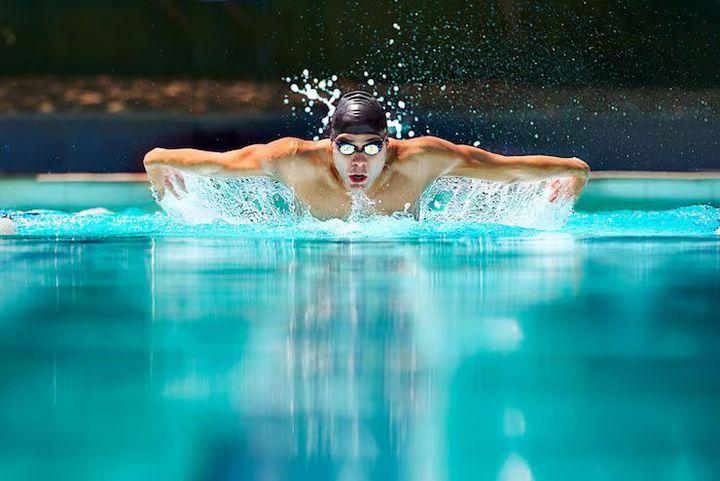
Several swimming styles are commonly used in fitness routines. Each stroke activates different muscle groups and varies in intensity.
- Freestyle (front crawl)
- Breaststroke
- Backstroke
- Butterfly
Many training programs combine multiple strokes to develop balanced strength and endurance.
Why Swimming Fitness Matters Today
Swimming for fitness has gained attention as people seek balanced exercise routines. Modern lifestyles often involve long hours of sedentary activity, making regular movement essential.
Swimming offers multiple advantages compared with other forms of exercise.
Key Benefits of Swimming
- Low impact on joints
- Full-body muscle engagement
- Cardiovascular conditioning
- Stress reduction through rhythmic movement
- Improved flexibility and coordination
These benefits make swimming suitable for a wide range of individuals.
Who Benefits from Swimming Fitness
- Adults seeking balanced cardiovascular workouts
- Older individuals needing joint-friendly exercise
- Athletes using swimming as cross-training
- Individuals recovering from injuries (under supervision)
- Students building endurance
Swimming can help address health challenges such as reduced mobility and low cardiovascular endurance. Water reduces gravitational pressure, making movement easier compared to land-based exercise.
Exercise Impact Comparison
| Exercise Type | Impact on Joints | Muscle Engagement | Cardiovascular Benefit |
|---|---|---|---|
| Running | High | Moderate | High |
| Cycling | Moderate | Moderate | High |
| Swimming | Low | High | High |
This balance of benefits makes swimming an accessible long-term fitness activity.
Recent Updates and Trends in Swimming Fitness
Recent developments have influenced swimming fitness programs and aquatic training approaches. Health organizations now emphasize cross-training that combines swimming with strength and flexibility exercises.
Digital technology has also enhanced swimming fitness tracking. Waterproof wearable devices introduced in 2024–2025 can monitor:
- Stroke count
- Lap distance
- Heart rate
- Calorie expenditure
- Training intensity
These tools help swimmers evaluate performance and improve efficiency.
Emerging Trends
- Growth of endurance swimming programs
- Increased popularity of water aerobics and interval swim training
- Expansion of community aquatic fitness classes
- Greater focus on mental wellness through swimming
Research in 2025 highlighted that rhythmic breathing and water immersion may support stress reduction and relaxation.
Regulations, Safety Rules, and Public Programs
Swimming environments are governed by safety regulations and public health guidelines. These rules ensure safe aquatic conditions and protect swimmers.
Common Safety Regulations
- Pool water quality standards
- Lifeguard supervision requirements
- Safety signage and emergency equipment
- Pool depth markings
- Hygiene practices
National and regional authorities monitor chlorine levels, filtration systems, and sanitation procedures in public pools.
Public and Educational Programs
- Government-supported community swimming initiatives
- School-based swimming lessons
- Certified coaching and training programs
These programs promote water safety and encourage regular physical activity.
Useful Tools and Resources for Swimming Fitness
Various tools and digital resources help individuals improve swimming performance. These tools assist with tracking progress and structuring workouts.
Common Swimming Fitness Tools
- Waterproof fitness watches
- Heart rate monitors for aquatic use
- Lap counters
- Mobile fitness applications
Many apps also provide guided routines, stroke analysis, and interval timers.
Training Resources
- Online platforms with technique tutorials
- Structured workout planners
- Interval training programs
Example Beginner Swimming Routine
| Workout Stage | Activity | Duration |
|---|---|---|
| Warm-up | Light freestyle swimming | 5–10 minutes |
| Technique Practice | Stroke drills | 10 minutes |
| Endurance Training | Continuous swimming | 15–20 minutes |
| Cool-down | Slow swimming or floating | 5 minutes |
Consistency and gradual progression are essential for improving performance.
Frequently Asked Questions About Swimming Fitness
Is swimming effective for cardiovascular fitness?
Yes. Swimming engages large muscle groups and maintains continuous movement. This increases heart rate and strengthens the cardiovascular system.
How often should someone swim?
Most fitness programs recommend swimming three to four times per week. Frequency depends on individual goals and fitness levels.
Which stroke is best for beginners?
Freestyle and breaststroke are commonly recommended. They allow natural breathing patterns and steady movement.
Does swimming build muscle?
Yes. Water resistance provides strength training. It strengthens muscles in the arms, shoulders, core, and legs.
Can swimming support long-term fitness?
Yes. Its low-impact nature makes it suitable for lifelong fitness routines.
Additional Insights on Swimming Endurance and Strength
Swimming endurance develops through gradual increases in distance and improved breathing techniques. Many swimmers use interval training to build stamina.
Common Endurance Training Methods
- Repeated lap sets
- Timed rest intervals
- Mixed stroke training
- Breathing pattern drills
Proper technique also improves efficiency. Good body positioning reduces water resistance and conserves energy.
Fitness Contribution of Swimming
| Fitness Component | Contribution of Swimming |
|---|---|
| Cardiovascular Health | Sustained movement raises heart rate |
| Muscle Strength | Water resistance builds total body strength |
| Flexibility | Wide movements improve range of motion |
| Endurance | Continuous swimming increases stamina |
Dry-land exercises such as stretching and core training can further enhance performance.
Conclusion
Swimming for fitness is a versatile form of exercise that supports cardiovascular health, muscle strength, and endurance. Its low-impact nature makes it suitable for people of all ages and fitness levels.
Recent advancements in digital tracking, structured programs, and aquatic wellness initiatives have expanded its benefits. Safety regulations also ensure that swimming environments remain well maintained.
With consistent practice, proper technique, and structured routines, swimming can be an effective part of a long-term fitness strategy that supports overall health and well-being.