Tactile Sensors Guide for Robotic Grippers: Basics, Insights, and Applications
Tactile sensors are specialized components designed to detect physical interaction such as pressure, force, vibration, and texture. In robotic grippers, these sensors act as an artificial sense of touch, allowing machines to interact more safely and precisely with objects.
Robotic grippers are widely used in automation, manufacturing, healthcare, and logistics. Without tactile feedback, these systems rely only on position or vision data, which can lead to errors such as slipping, crushing delicate items, or misalignment. Tactile sensors solve this limitation by providing real-time feedback during object handling.
These sensors come in various forms, including capacitive, resistive, piezoelectric, and optical types. Each type works differently but shares the same goal: improving the interaction between robotic systems and their environment. As automation becomes more advanced, tactile sensing is becoming a core component of intelligent robotics.
Importance of Tactile Sensors
Tactile sensors play a critical role in modern robotics because they improve accuracy, safety, and adaptability. Their importance has increased with the rise of automation in industries such as manufacturing, healthcare, and warehousing.
Key Reasons Tactile Sensors Matter Today
- Precision Handling: Robots can adjust grip force based on object properties like softness or fragility.
- Error Reduction: Detecting slippage or improper contact reduces operational mistakes.
- Human-Robot Interaction: Safer collaboration in shared environments by sensing unexpected contact.
- Versatility: Ability to handle a wide range of objects, from rigid components to delicate materials.
Industries Benefiting from Tactile Sensing
- Manufacturing and assembly lines
- Medical robotics and prosthetics
- E-commerce and logistics automation
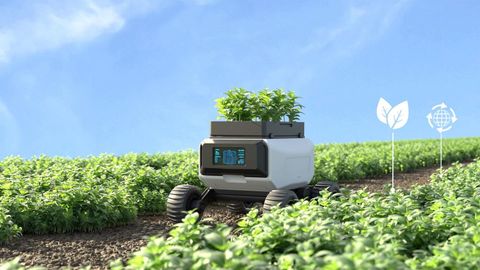
- Agriculture and food handling
Tactile sensing helps solve real-world problems such as inconsistent product handling, safety risks, and inefficiencies in manual processes.
Recent Updates in Tactile Sensor Technology (2025–2026)
Over the past year, tactile sensor technology has seen rapid advancements, particularly in materials science and AI integration.
Notable Trends and Developments
- Flexible and Soft Sensors (2025): Soft materials mimic human skin, improving adaptability in robotic grippers.
- AI Integration (2025): Machine learning models interpret tactile data, allowing robots to “learn” from touch-based interactions.
- Miniaturization (Late 2025): Compact sensor designs enable integration into smaller robotic systems and micro-grippers.
- Multimodal Sensing (2026): Combining tactile sensors with vision and proximity sensors for enhanced decision-making.
- Energy-Efficient Designs (2026): New sensor architectures reduce power consumption for longer operational cycles.
These updates highlight a shift toward smarter, more adaptive robotic systems that can operate in dynamic environments.
Laws and Policies Affecting Tactile Sensors
Tactile sensors and robotic grippers are influenced by various standards and regulatory frameworks, especially in industrial and safety-critical applications.
Key Considerations
- Industrial Safety Standards: Compliance with ISO 10218 (industrial robots) and ISO/TS 15066 (collaborative robots).
- Data and Automation Policies: Ensures secure AI-driven tactile sensing and adherence to automation guidelines.
- Make in India & Industry 4.0 Programs: Encourages adoption of advanced manufacturing technologies, including robotics and sensors.
- Quality Certification: Industrial sensors require certification for durability, electromagnetic compatibility, and reliability.
These frameworks ensure tactile sensor systems are safe, reliable, and aligned with modern industrial practices.
Tools and Resources for Tactile Sensor Integration
A variety of tools and platforms support the development, testing, and integration of tactile sensors in robotic systems.
Software Tools
- Simulation platforms for robotic interaction modeling
- AI frameworks for processing tactile data
- CAD tools for designing sensor-integrated grippers
Hardware Resources
- Development kits for tactile sensor prototyping
- Microcontrollers and embedded systems for signal processing
- Flexible sensor materials and modules
Learning Resources
- Online courses on robotics and sensor technology
- Research papers and technical documentation
- Open-source robotics communities
Example Comparison Table of Tactile Sensor Types
| Sensor Type | Working Principle | Key Feature | Common Use Case |
|---|---|---|---|
| Capacitive | Change in capacitance | High sensitivity | Delicate object handling |
| Resistive | Change in resistance | Simple design | Basic force detection |
| Piezoelectric | Generates voltage | Dynamic sensing | Vibration detection |
| Optical | Light-based detection | High precision | Advanced robotic systems |
These tools and resources help engineers, researchers, and learners implement tactile sensing effectively.
Frequently Asked Questions
What are tactile sensors used for in robotic grippers?
They detect pressure, force, and contact, allowing robotic grippers to handle objects accurately and safely.
How do tactile sensors improve robotic performance?
By providing real-time feedback, enabling robots to adjust grip strength, detect slippage, and avoid damaging objects.
Are tactile sensors important for collaborative robots?
Yes, they ensure safe interaction between robots and humans by detecting unexpected contact or force.
What industries commonly use tactile sensors in grippers?
Manufacturing, healthcare, logistics, and agriculture widely use tactile sensors for automation and precision tasks.
What is the future of tactile sensing technology?
Smarter sensors with AI integration, flexible materials, and multimodal sensing capabilities for advanced robotics.
Conclusion
Tactile sensors are transforming how robotic grippers interact with the physical world. By enabling machines to sense touch, pressure, and texture, these sensors bridge the gap between mechanical precision and human-like adaptability.
Their importance continues to grow as industries move toward smarter automation and collaborative robotics. Recent advancements in flexible materials, AI integration, and energy efficiency are pushing the boundaries of what tactile sensing can achieve.
Understanding tactile sensors is essential for anyone involved in robotics, automation, or emerging technologies. With the right tools, knowledge, and awareness of trends and policies, this technology offers significant potential for innovation and improved system performance.
As robotics continues to evolve, tactile sensing will remain a foundational element in creating intelligent, responsive, and efficient systems.