Tahitian Black Pearl Necklaces Overview: Discover Beauty, Value, and Styling Ideas
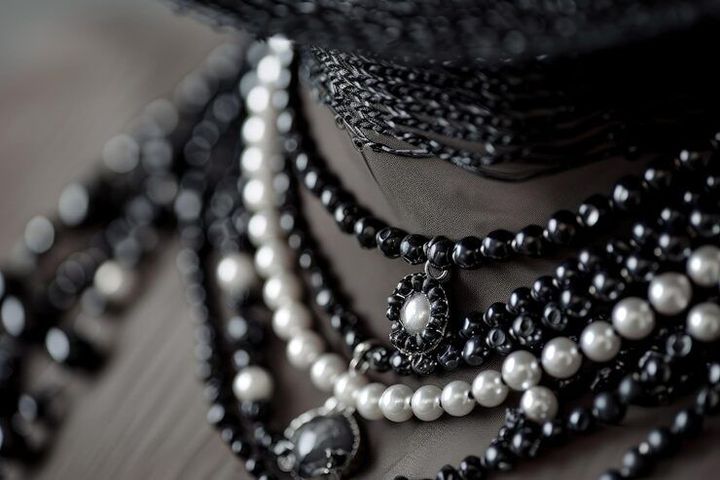
Tahitian black pearl necklaces are jewelry pieces created from dark-colored pearls produced by the Pinctada margaritifera oyster, commonly known as the black-lipped oyster. These pearls are primarily cultivated in French Polynesia, particularly around the islands of Tahiti, which is how they gained their name.
Unlike traditional white pearls, Tahitian pearls naturally display darker tones such as charcoal, silver, green, peacock, and deep grey. Their distinctive color palette and large size have made them an important part of modern luxury jewelry collections.
Pearls form naturally when an oyster coats an irritant with layers of nacre, creating a smooth and lustrous surface. In cultivated pearls, technicians insert a nucleus to guide this process under controlled conditions.
Tahitian black pearl necklaces showcase these pearls in refined arrangements, highlighting both natural beauty and expert craftsmanship.
Common Necklace Styles
- Single pearl pendant necklaces
- Graduated pearl strand necklaces
- Multi-strand pearl jewelry designs
- Modern minimalist pearl chains
Pearl necklaces have evolved significantly, transitioning from formal wear to everyday fashion accessories in modern styling.
Why Tahitian Black Pearl Necklaces Matter Today
Tahitian black pearl necklaces are not just decorative items but also represent environmental, cultural, and economic value. They are closely linked to sustainable marine practices and global jewelry trends.
Connection to Sustainable Aquaculture
Pearl cultivation supports environmentally balanced marine farming. Oysters require clean water, encouraging the protection of lagoon ecosystems and sustainable practices.
Cultural Heritage
In French Polynesia, pearl farming plays a major cultural and economic role. These pearls symbolize ocean heritage and traditional craftsmanship.
Global Jewelry Industry Trends
The global jewelry market is increasingly favoring organic and naturally formed gemstones. Tahitian pearls stand out because they are created naturally rather than mined.
Fashion Versatility
Tahitian pearl necklaces complement a wide range of outfits. Their darker tones suit both formal occasions and casual modern styles.
Technological Jewelry Certification
Modern certification systems ensure transparency in pearl grading and sourcing. These systems help maintain trust and consistency in global jewelry markets.
Recent Updates in Tahitian Pearl Trends
Recent developments in fashion and technology have influenced the design and demand for Tahitian pearl necklaces. These trends reflect changing consumer preferences and innovation in the jewelry industry.
2024–2025 Jewelry Fashion Trends
Designers have reintroduced pearls into modern fashion through minimalist and layered styles. Tahitian pearls, in particular, are valued for their compatibility with neutral color palettes.
Growth of Traceable Jewelry
The industry is increasingly focusing on traceability. Digital tools now allow producers to document pearl origin, cultivation conditions, and grading details.
Innovations in Pearl Grading Technology
Advanced imaging technology is improving how pearls are evaluated. These tools help assess luster, surface quality, and symmetry more accurately.
Increased Interest in Ocean-Based Luxury Products
Consumers are showing greater interest in marine-derived materials. This trend has led to increased awareness of sustainable aquaculture practices.
Jewelry Trend Influence Table
| Trend Area | Influence on Tahitian Pearl Necklaces |
|---|---|
| Minimalist jewelry design | Increased use of single pearl pendants |
| Sustainable materials | Higher interest in marine gemstones |
| Digital certification | Improved transparency in pearl grading |
| Layered jewelry styling | Multi-length pearl necklace designs |
Regulations and Policies Affecting Tahitian Pearls
The pearl industry is governed by regulations that protect both quality and marine ecosystems. These frameworks ensure sustainable production and maintain global standards.
French Polynesia Pearl Industry Regulations
Local authorities enforce strict policies to manage pearl farming. These regulations focus on sustainability and quality control.
- Protect lagoon ecosystems
- Maintain pearl quality standards
- Prevent overproduction
- Support long-term sustainability
International Jewelry Trade Standards
Global standards ensure transparency in labeling and trade practices. They require disclosure of origin, cultivation methods, and any treatments applied to pearls.
Environmental Protection Policies
Ocean conservation policies indirectly support pearl farming. Clean water and healthy marine biodiversity are essential for pearl production.
Geographical Indication Recognition
Tahitian pearls are protected by geographic identity laws. These regulations preserve their authenticity and cultural significance.
Helpful Tools and Resources for Understanding Pearl Jewelry
Various resources help individuals understand pearl jewelry from scientific and artistic perspectives. These tools provide valuable insights into pearl formation and grading.
Jewelry Education Platforms
Online platforms offer information about gemstone grading and jewelry design. They help learners understand how pearls are evaluated and used.
Gemology Institutes
Professional organizations publish educational materials explaining pearl characteristics. Key grading factors include:
- Luster
- Surface quality
- Shape
- Size
- Color
Pearl Quality Reference Table
| Pearl Quality Factor | Description |
|---|---|
| Luster | Brightness and reflectivity of the surface |
| Surface | Smoothness and absence of visible marks |
| Shape | Round, oval, drop, or baroque |
| Size | Diameter measured in millimeters |
| Color | Natural tone and overtone |
Jewelry Design Visualization Tools
Digital tools allow users to experiment with necklace styles and layouts. These tools are helpful for both beginners and professional designers.
Marine Conservation Resources
Environmental organizations provide insights into ocean ecosystems. These resources help explain the importance of sustainable aquaculture in pearl production.
Frequently Asked Questions
What makes Tahitian pearls different from other pearls?
Tahitian pearls are known for their naturally dark colors and larger sizes. Their shades include green, peacock, grey, and charcoal tones.
Where are Tahitian black pearls produced?
They are primarily cultivated in French Polynesia, especially in lagoon environments around Tahiti.
How are pearls graded?
Pearls are evaluated based on luster, surface quality, shape, size, and color. These factors determine overall quality.
Why are darker pearls popular in modern jewelry?
Darker pearls provide unique tones that match contemporary fashion. Their contrast with metals enhances their visual appeal.
Are Tahitian pearls natural or cultured?
Most Tahitian pearls are cultured. The process starts with a nucleus insertion, but the pearl forms naturally inside the oyster.
Conclusion
Tahitian black pearl necklaces combine natural marine processes with cultural heritage and skilled craftsmanship. Formed in black-lipped oysters, these pearls are known for their unique colors and luster.
Their significance extends beyond aesthetics, connecting to sustainability, ocean conservation, and global jewelry standards. Modern trends and technologies continue to shape their value and appeal.
As the jewelry industry evolves, Tahitian pearls remain timeless symbols of natural beauty and refined design.