Tower Cranes Explained: How These Machines Support Modern Building Projects
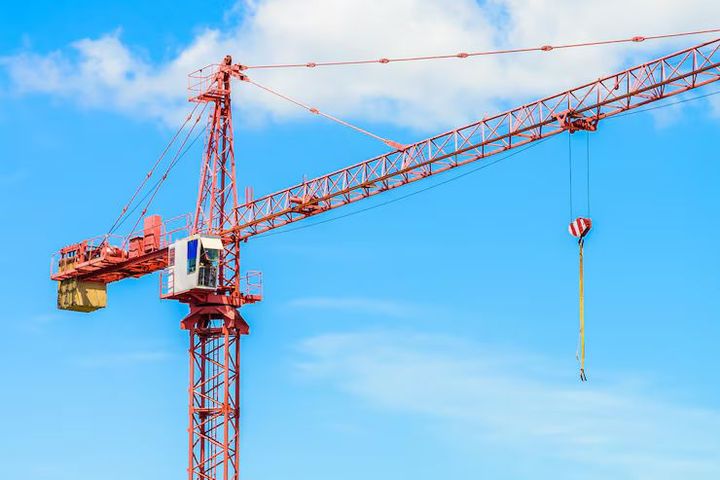
Tower Cranes are among the most recognizable pieces of equipment on construction sites. These tall structures are designed to lift and move heavy materials during the construction of buildings, bridges, industrial facilities, and infrastructure projects. They play an important role in modern construction by enabling materials to be transported vertically and horizontally across large work areas.
The history of tower cranes can be traced back to early lifting devices used in ancient civilizations. Over time, engineering advancements led to the development of sophisticated crane systems capable of handling heavier loads and reaching greater heights. Today, tower crane manufacturers develop a variety of crane designs to support different construction requirements.
Modern projects often rely on high rise construction tower cranes because conventional lifting equipment may not provide sufficient reach or lifting capacity. As urban areas continue to expand, the need for efficient lifting systems has contributed to the growth of industrial tower crane systems and advanced construction methods.
Tower cranes are commonly seen in residential developments, commercial complexes, transportation infrastructure projects, and industrial facilities. Their ability to move large quantities of materials efficiently helps construction activities progress in a structured and organized manner.
Importance
Supporting Large Construction Projects
Construction projects often require the movement of steel beams, concrete components, machinery, and building materials. Tower cranes help transport these materials safely to elevated work areas that would otherwise be difficult to access.
High rise construction tower cranes are particularly important in cities where vertical development is common. As buildings become taller, cranes must reach greater heights while maintaining stability and lifting performance.
Improving Construction Efficiency
Moving materials manually or with smaller equipment can slow project progress. Tower cranes allow construction teams to lift and position heavy components more effectively, helping coordinate activities across multiple floors.
Many construction firms work with tower crane suppliers to identify crane configurations that match project requirements, including height, lifting capacity, and site conditions.
Enhancing Workplace Safety
Properly installed cranes help reduce risks associated with manual handling of heavy loads. When operated according to established procedures, cranes can move materials in a controlled manner.
Tower crane installation services and tower crane erection services contribute to safety by ensuring cranes are assembled and positioned according to engineering specifications.
Supporting Urban Development
Growing populations and increasing demand for housing, offices, transportation systems, and industrial facilities have increased reliance on heavy lifting tower crane solutions. These cranes support projects that shape modern cities and economic development.
Recent Updates
Smart Monitoring and Digital Integration
One notable trend is the growing use of smart tower crane monitoring systems. These systems use sensors and software platforms to collect operational information such as load weight, wind conditions, crane movement, and maintenance requirements.
Digital monitoring can help project teams track crane performance and identify operational concerns before they become significant issues.
Growth of Automation Technologies
Advanced tower crane technologies increasingly incorporate automation features. Some cranes now include:
- Load positioning assistance
- Collision avoidance systems
- Remote monitoring capabilities
- Automated safety alerts
- Real-time operational reporting
These developments aim to improve operational awareness and reduce the likelihood of human error.
Expansion of Flat Top Crane Designs
Flat top tower crane manufacturers have seen increased interest in flat-top crane configurations. Unlike traditional tower cranes with a peaked structure, flat-top designs simplify assembly and may be useful in crowded construction environments where multiple cranes operate simultaneously.
Focus on Sustainable Construction
Construction organizations are exploring methods to reduce fuel consumption and improve operational efficiency. New crane designs often incorporate energy-efficient components and monitoring systems that help track equipment utilization.
Integrated Project Solutions
Many large infrastructure projects utilize turnkey tower crane solutions that combine planning, transportation, assembly, operation support, and dismantling into a coordinated project framework. This approach helps simplify crane management across complex construction environments.
Laws or Policies
Construction Safety Regulations
Most countries regulate crane operations through workplace safety authorities. These regulations typically address:
- Crane inspections
- Operator qualifications
- Load limitations
- Site safety procedures
- Equipment maintenance requirements
Compliance with these regulations is essential for maintaining safe construction environments.
Engineering Certification Requirements
Tower cranes must generally be designed, manufactured, and installed according to engineering standards. Tower crane manufacturers must ensure equipment meets relevant structural and mechanical requirements before deployment.
Site Inspection Procedures
Construction projects often require periodic inspections of crane systems. Inspectors may review:
| Inspection Area | Purpose |
|---|---|
| Structural components | Verify structural integrity |
| Lifting mechanisms | Assess operational condition |
| Safety systems | Confirm proper functionality |
| Foundations | Check stability and support |
| Electrical systems | Review operational reliability |
Regular inspections help identify wear, damage, or operational concerns before they affect project activities.
Environmental and Urban Planning Rules
In densely populated areas, crane operations may be subject to additional planning requirements. Local authorities may regulate crane height, operating zones, transportation routes, and public safety measures.
Worker Training Standards
Many jurisdictions require crane operators and associated personnel to complete training programs covering equipment operation, hazard awareness, emergency procedures, and site safety practices.
Tools and Resources
Construction Planning Software
Project management platforms help coordinate crane scheduling, material deliveries, workforce planning, and construction timelines. These tools improve communication between project participants.
Crane Load Calculation Tools
Engineers often use load calculation software to evaluate lifting requirements and determine suitable crane configurations for specific tasks.
Common calculations include:
- Maximum lifting capacity
- Boom reach limitations
- Wind load assessments
- Ground pressure analysis
- Structural load distribution
Building Information Modeling Platforms
Building Information Modeling (BIM) systems allow construction teams to visualize projects digitally before construction begins. Crane locations and lifting paths can be evaluated within virtual project models.
Monitoring Platforms
Smart tower crane monitoring systems use digital dashboards to display operational information. These platforms may provide:
- Equipment status updates
- Maintenance tracking
- Operational analytics
- Safety notifications
- Utilization reports
Technical Documentation Resources
Construction professionals often rely on engineering manuals, regulatory publications, safety guidelines, and manufacturer documentation to support planning and operational activities.
Professional Industry Associations
Industry organizations publish educational materials, technical standards, research reports, and safety guidance related to crane operations and construction equipment management.
Understanding Common Types of Tower Cranes
Hammerhead Tower Cranes
These cranes feature a horizontal jib extending from the top of the tower. They are commonly used on large construction sites where significant lifting reach is required.
Flat Top Tower Cranes
Flat-top cranes remove the upper tower head structure, creating a simpler design that can be beneficial in congested project environments.
Luffing Jib Tower Cranes
These cranes use an adjustable jib that can move upward and downward. They are often utilized in urban areas where space restrictions limit crane movement.
Self-Erecting Tower Cranes
Self-erecting cranes are generally used for smaller construction projects and can be assembled more quickly than larger tower crane systems.
Industrial Tower Crane Systems
Industrial tower crane systems are commonly used in manufacturing facilities, energy projects, ports, and large industrial developments requiring substantial lifting capabilities.
Tower Crane Installation and Erection Process
Site Preparation
Before installation begins, engineers evaluate soil conditions, foundation requirements, and crane positioning to ensure adequate support.
Foundation Construction
A stable foundation is essential because tower cranes transfer significant loads to the ground during operation.
Assembly Procedures
Tower crane erection services typically involve assembling tower sections, installing the jib, attaching counterweights, and integrating mechanical and electrical systems.
Testing and Verification
After assembly, cranes undergo inspections and operational testing to confirm proper functioning before construction activities begin.
Operational Monitoring
Throughout the project lifecycle, crane performance is monitored through inspections, maintenance procedures, and digital tracking systems.
FAQs
What are Tower Cranes used for?
Tower Cranes are used to lift and move heavy construction materials such as steel, concrete, equipment, and prefabricated building components on construction and infrastructure projects.
How do high rise construction tower cranes reach great heights?
These cranes are designed with modular tower sections that can be added as a building grows taller. This allows the crane to increase its working height throughout the project.
What do tower crane manufacturers focus on when designing cranes?
Tower crane manufacturers typically focus on structural strength, lifting capacity, safety systems, operational efficiency, and compliance with engineering standards.
What are smart tower crane monitoring systems?
Smart tower crane monitoring systems use sensors, software, and communication technologies to track crane performance, operational conditions, maintenance needs, and safety indicators.
Why are tower crane installation services important?
Tower crane installation services help ensure cranes are assembled, positioned, and tested according to engineering specifications and safety requirements before operation begins.
Conclusion
Tower cranes are essential components of modern construction and infrastructure development. They enable the movement of heavy materials, support high-rise projects, and contribute to organized construction workflows. Advances in digital monitoring, automation, and crane design continue to shape the industry. Understanding how tower cranes function, the regulations governing their use, and the technologies supporting them provides valuable insight into contemporary construction practices.