Traditional Anklets: Complete Guide to Cultural Meaning, Styles, and Modern Fashion
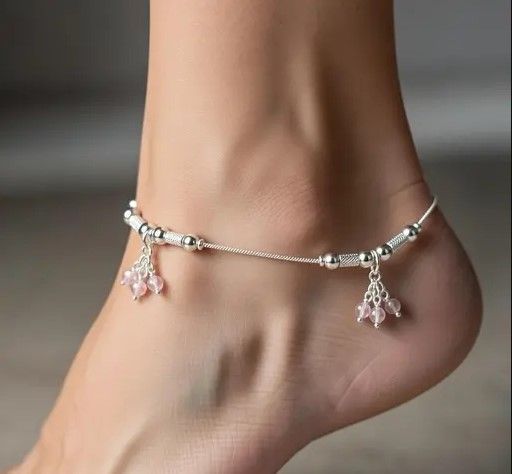
Traditional anklets, often known as ankle jewelry, are decorative ornaments worn around the ankle. They have been part of cultural attire in many civilizations for centuries and appear in historical traditions across South Asia, the Middle East, Africa, and parts of the Mediterranean. Anklets are typically crafted from materials such as silver, gold, beads, or mixed metals and are often decorated with charms, bells, or intricate patterns.
Historically, anklets were created to reflect cultural identity, social status, and personal style. In ancient societies, jewelry was not only decorative but also symbolic, often representing marital status, wealth, or regional heritage.
In India and neighboring regions, anklets—commonly known as payal—are worn during festivals, weddings, and cultural ceremonies. Over time, these ornaments have evolved into globally recognized fashion accessories seen in modern collections and exhibitions.
Materials Used in Traditional Anklets
Traditional anklets are crafted using a variety of materials that reflect regional craftsmanship and artistic traditions. These materials influence both the design and cultural meaning of the jewelry.
Common Materials
- Silver alloys
- Gold-plated metals
- Copper and brass
- Beaded thread designs
- Handcrafted ethnic metalwork
These variations highlight the diversity of traditional jewelry-making techniques across cultures.
Why Traditional Anklets Still Matter Today
Traditional anklets continue to hold cultural, artistic, and social importance. Despite changing fashion trends, they remain symbols of heritage and craftsmanship.
Cultural and Social Significance
Anklets are widely used in ceremonies and celebrations. They often carry emotional value and are passed down through generations.
- Cultural festivals and rituals
- Traditional dance performances
- Bridal jewelry traditions
- Family and heritage symbolism
Influence on Modern Fashion
Modern designers frequently incorporate anklets into contemporary styles. This blend of tradition and innovation keeps anklets relevant in global fashion.
- Fusion fashion with traditional motifs
- Pairing with casual and beachwear
- Revival of handcrafted jewelry
- Growing interest in sustainable designs
Recent Updates and Fashion Trends
The year 2025 has seen a renewed interest in cultural jewelry, including anklets. Social media and fashion exhibitions have played a major role in highlighting traditional styles.
Key Trends in 2025
- Increased visibility of ethnic jewelry in global fashion shows
- Rising demand for handcrafted jewelry
- Fusion of traditional and modern fashion styles
- Use of sustainable and recycled materials
Minimal anklets inspired by traditional designs have become especially popular. Designers are also using digital tools to experiment with patterns before production.
Regulations and Cultural Protection Policies
Traditional anklets are subject to various regulations related to safety, authenticity, and cultural preservation. These policies help maintain quality standards and protect heritage craftsmanship.
Key Regulatory Areas
- Precious metal purity standards
- Hallmark certification requirements
- Import and export guidelines
- Protection of traditional craftsmanship
Environmental regulations also encourage responsible sourcing and sustainable production practices in jewelry manufacturing.
Tools and Resources for Learning About Anklets
There are several resources available for understanding anklets, jewelry design, and craftsmanship techniques. These tools support both learning and professional design work.
Useful Resources
- Jewelry design software (CAD tools)
- Cultural heritage databases
- Museum archives and exhibitions
- Online learning platforms
- Fashion trend analysis websites
These resources help preserve traditional knowledge while enabling innovation in jewelry design.
Anklet Styles and Characteristics
Different anklet styles vary based on material, cultural origin, and design features. Below is a simplified table showing common types.
| Anklet Style | Material | Cultural Influence | Typical Features |
|---|---|---|---|
| Chain Anklet | Silver or gold | South Asian, Mediterranean | Simple linked chain design |
| Bell Anklet | Silver | Traditional Indian jewelry | Small decorative bells attached |
| Beaded Anklet | Glass or stones | African, Middle Eastern | Colorful patterned designs |
| Engraved Anklet | Metal alloys | Artisan metalwork traditions | Detailed carvings and patterns |
Popularity in Modern Fashion
| Style Category | Estimated Fashion Interest |
|---|---|
| Minimal Chain Anklets | High |
| Traditional Bell Anklets | Moderate |
| Beaded Anklets | Moderate |
| Heavy Metal Anklets | Lower |
These trends reflect how modern fashion adapts traditional styles while maintaining cultural identity.
Frequently Asked Questions
What are traditional anklets typically made from?
Traditional anklets are usually made from silver, gold, copper, beads, or mixed metals. The choice of material depends on cultural practices and local craftsmanship.
Why are anklets important in cultural traditions?
Anklets symbolize heritage, identity, and celebration in many cultures. They are often worn during festivals, weddings, and religious ceremonies.
Are anklets worn in different cultures worldwide?
Yes, anklets are found in South Asia, Africa, the Middle East, and Mediterranean regions. Each culture has unique styles and meanings associated with them.
Do anklets have historical significance?
Anklets have been worn since ancient times in civilizations like Egypt and India. They served both decorative and symbolic purposes.
How do traditional and modern anklets differ?
Traditional anklets feature handcrafted techniques and cultural motifs. Modern anklets focus on minimal, contemporary designs inspired by traditional elements.
Conclusion
Traditional anklets represent a blend of cultural heritage, artistic craftsmanship, and evolving fashion trends. They have long served as meaningful ornaments tied to identity and celebration.
Today, anklets continue to bridge tradition and modern fashion. Growing interest in handcrafted jewelry and sustainable design ensures their continued relevance in global fashion and cultural discussions.