Traditional Pearl Jewellery: Explore Timeless Designs and Cultural Significance
Traditional pearl jewellery has captivated cultures worldwide for centuries. Pearls, known as "the queen of gems," are formed naturally inside mollusks and are treasured for their lustrous beauty and timeless elegance. Unlike other gemstones that require cutting or polishing, pearls possess a unique smooth surface and iridescent glow, making them highly valued in jewellery design.
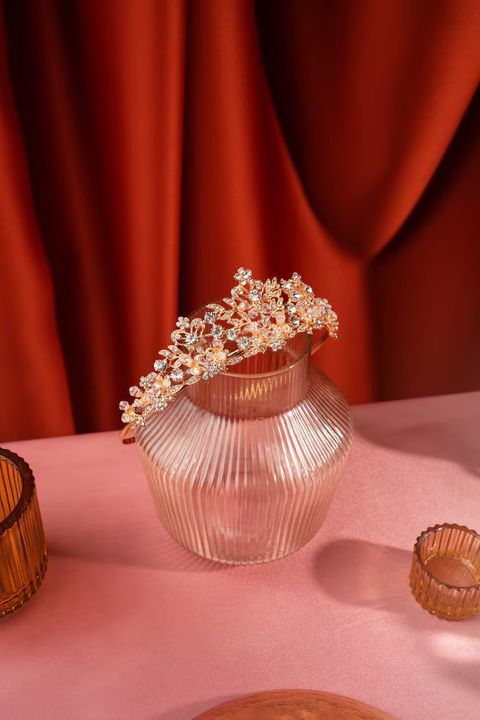
Historically, pearl jewellery has been associated with royalty and nobility, symbolizing wealth, purity, and status. From necklaces and earrings to elaborate hair ornaments, pearls have played a significant role in cultural traditions across regions such as India, Japan, Europe, and the Middle East.
Today, they continue to represent a timeless blend of elegance, heritage, and craftsmanship.
Why Traditional Pearl Jewellery Matters Today
Pearl jewellery is more than decorative—it reflects cultural identity, artisanal skill, and personal style. Its continued relevance lies in both tradition and adaptability.
Key Benefits
- Cultural Preservation: Widely used in weddings, festivals, and religious ceremonies
- Sustainable Elegance: Often sourced through regulated and eco-conscious cultivation
- Craftsmanship Value: Showcases traditional jewellery-making techniques
- Versatility in Fashion: Complements both traditional attire and modern outfits
Pearls appeal to a broad audience, from cultural enthusiasts to contemporary fashion lovers.
Trends and Updates in Traditional Pearl Jewellery (2025)
Traditional pearl jewellery has evolved with modern design influences and sustainability efforts. These trends reflect changing consumer preferences.
Layered Pearl Necklaces
Designers are combining multiple strands of pearls to create bold yet elegant looks. This style blends traditional aesthetics with modern fashion.
Colored Pearls Popularity
Pearls in shades like black, grey, and pastel tones are gaining popularity. These colors offer unique alternatives to classic white pearls.
Eco-Friendly Cultivation
Advancements in pearl farming, especially in Japan and China, focus on reducing environmental impact. Sustainable practices are becoming a priority.
Hybrid Designs
Pearls are increasingly paired with modern materials such as:
- Rose gold
- Titanium
- Contemporary alloys
This fusion creates innovative and stylish jewellery pieces.
Pearl Types Overview
| Pearl Type | Origin | Shape | Luster | Size Range |
|---|---|---|---|---|
| Akoya Pearls | Japan | Round | High | 2–10 mm |
| Freshwater Pearls | China | Baroque | Medium–High | 4–12 mm |
| Tahitian Pearls | French Polynesia | Round/Oval | Dark, Iridescent | 8–18 mm |
| South Sea Pearls | Australia, Indonesia | Oval/Round | Silky, Bright | 9–20 mm |
Regulations and Policies Affecting Pearl Jewellery
The pearl industry is influenced by international and local regulations to ensure ethical sourcing and fair trade. These policies protect both consumers and the environment.
Key Regulations
- CITES Guidelines: Regulate trade of marine species used in pearl cultivation
- Aquaculture Laws: Govern pearl farming practices in major producing countries
- Hallmarking and Certification: Ensure authenticity of pearls and metal settings
- Customs Duties: Apply to international trade of high-value jewellery
Understanding these policies helps ensure responsible purchasing and compliance.
Tools and Resources for Pearl Enthusiasts
Various resources are available to help individuals learn, evaluate, and care for pearl jewellery. These tools support informed decisions and proper maintenance.
Learning Resources
- Books such as The Pearl Book and Pearls: The Anthology
- Online platforms like the International Gem Society (IGS)
- Certification resources from the Gemological Institute of America (GIA)
Practical Tools
- Pearl Value Calculators: Estimate value based on size and quality
- Jewellery Inventory Apps: Track collections and provenance
- Workshops and Tutorials: Learn stringing, cleaning, and design techniques
These resources enhance knowledge and improve long-term care.
Frequently Asked Questions
What are the main types of pearls?
The primary types include:
- Akoya pearls
- Freshwater pearls
- Tahitian pearls
- South Sea pearls
Each differs in size, color, shape, and luster.
How should pearl jewellery be maintained?
- Store in soft pouches
- Avoid harsh chemicals
- Clean with a damp cloth
- Do not soak in water for long periods
Can pearls be worn with modern outfits?
Yes, pearls are highly versatile. They pair well with both traditional and contemporary styles.
What determines pearl value?
Key factors include:
- Luster
- Surface quality
- Shape
- Size
- Color
- Rarity
Are natural pearls better than cultured pearls?
Natural pearls are rarer and more expensive. Cultured pearls are more accessible and offer consistent quality.
Conclusion
Traditional pearl jewellery represents a rich blend of history, culture, and artistry. From royal heritage to modern fashion, pearls continue to adapt while maintaining their timeless appeal.
With growing trends in sustainability, innovative designs, and global accessibility, pearl jewellery remains relevant across generations. By understanding quality, care, and regulations, enthusiasts can appreciate and preserve these elegant pieces as lasting symbols of beauty and craftsmanship.