Truck Loading Conveyors Explained: Basics, Uses, and Important Facts
Truck loading conveyors are essential tools in modern material handling. They help move goods efficiently between storage areas and transport vehicles. From warehouses to logistics hubs, these systems simplify loading and unloading tasks while saving time and effort.
Understanding how truck loading conveyors work can help businesses improve workflow and reduce manual labor. This guide explains their basics, common uses, and key facts you should know.
What Is a Truck Loading Conveyor
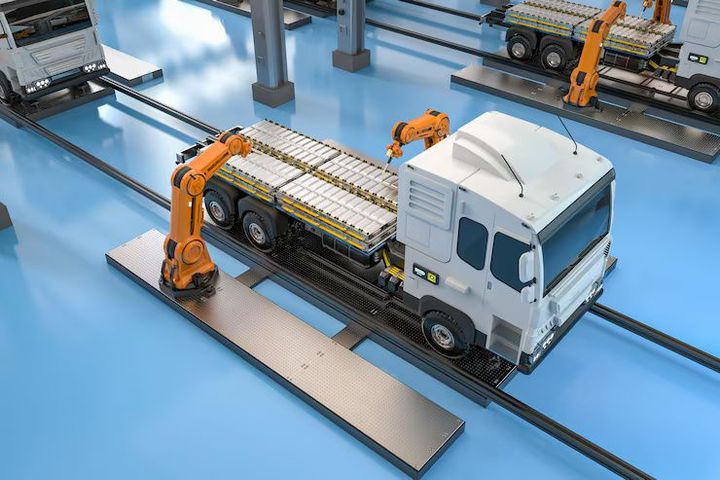
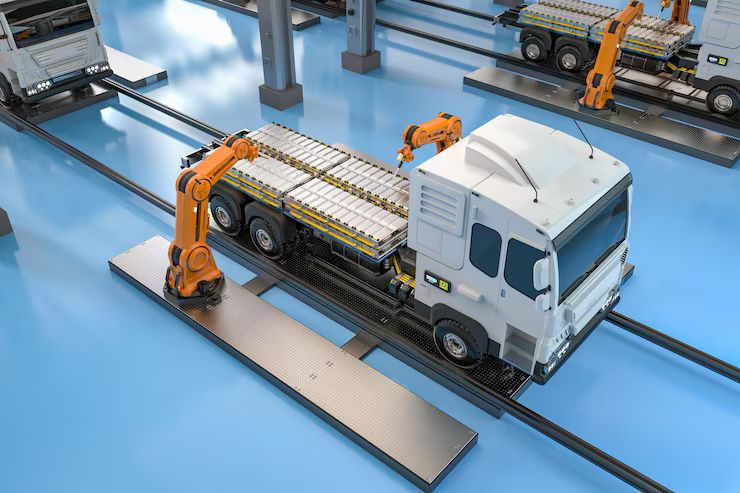
A truck loading conveyor is a mechanical system designed to transfer materials directly into or out of trucks. It usually consists of a belt, rollers, or flexible sections that extend into the vehicle.
These conveyors are widely used in industries that handle bulk goods or packaged items. They make it easier to move products without lifting or carrying them manually.
Some systems are fixed, while others are portable and adjustable. The choice depends on the type of operation and available space.
Key Components of a Truck Loading Conveyor
Most truck loading conveyors share a few essential parts that allow them to function smoothly.
- conveyor belt or roller surface for moving goods
- motor and drive system for powering movement
- adjustable frame for height and length control
- wheels or mobility system for portable units
- control panel for operation
Each component plays a role in ensuring efficient and safe material transfer.
Types of Truck Loading Conveyors
Truck loading conveyors come in different designs to meet various operational needs. Choosing the right type depends on the nature of materials and loading conditions.
Flexible Conveyors
Flexible conveyors can expand, contract, and bend. They are ideal for loading trucks with different sizes and shapes.
These systems are easy to move and adjust, making them suitable for dynamic environments like distribution centers.
Belt Conveyors
Belt conveyors use a continuous belt to move goods. They are best for handling uniform items such as boxes or cartons.
They provide smooth and steady movement, reducing the risk of damage to products.
Roller Conveyors
Roller conveyors use rotating rollers to transport items. They can be powered or gravity-based.
These conveyors are often used for heavier loads and require minimal maintenance.
How Truck Loading Conveyors Work
Truck loading conveyors operate using a simple mechanism. The motor drives the belt or rollers, allowing goods to move along the conveyor surface.
Operators place items at one end of the conveyor. The system then transports them into the truck or out of it.
Adjustable height and extension features help align the conveyor with the truck floor. This reduces strain on workers and speeds up the process.
In advanced systems, sensors and controls may regulate speed and flow. This ensures consistent and safe handling of materials.
Common Uses Across Industries
Truck loading conveyors are used in many industries due to their versatility. They support efficient material handling in both small and large operations.
Here are some common applications:
- logistics and distribution centers for package handling
- manufacturing units for moving finished goods
- agriculture for loading grains or produce
- retail warehouses for stock movement
- courier and parcel services for sorting and dispatch
These systems are especially useful in high-volume environments where speed and accuracy matter.
Benefits of Using Truck Loading Conveyors
Using truck loading conveyors offers several advantages. They improve productivity while reducing physical effort.
Some key benefits include:
- faster loading and unloading processes
- reduced manual labor and fatigue
- improved workplace safety
- consistent material flow
- better space utilization
They also help minimize product damage by ensuring smooth handling.
Productivity Improvements
Truck loading conveyors can significantly increase operational efficiency. They allow continuous movement of goods, reducing delays.
Workers can focus on monitoring and organizing instead of lifting heavy items. This leads to better overall performance.
Safety Advantages
Safety is a major concern in material handling. Conveyors reduce the need for repetitive lifting and carrying.
This lowers the risk of injuries such as strains or falls. Proper use of conveyors creates a safer work environment.
Important Features to Consider
When selecting a truck loading conveyor, certain features should be evaluated. These features determine how well the system meets operational needs.
- length and extension capability
- load capacity and durability
- mobility and portability
- speed control options
- energy efficiency
Choosing the right combination of features ensures long-term usability.
Comparison of Conveyor Types
Below is a simple table comparing different types of truck loading conveyors.
| Conveyor Type | Best For | Flexibility | Maintenance Level |
|---|---|---|---|
| Flexible | Variable truck sizes | High | Moderate |
| Belt | Uniform packaged goods | Medium | Low |
| Roller | Heavy or rigid items | Low | Low |
This comparison helps in understanding which type suits specific requirements.
Maintenance and Care Tips
Proper maintenance ensures long-lasting performance. Regular checks can prevent breakdowns and improve efficiency.
Here are some basic maintenance tips:
- inspect belts and rollers for wear
- keep the system clean from dust and debris
- check motor and electrical components
- lubricate moving parts when needed
- ensure proper alignment during use
Routine maintenance reduces downtime and keeps operations running smoothly.
Future Trends in Truck Loading Conveyors
Technology is continuously improving conveyor systems. Modern designs focus on automation and smart controls.
Some emerging trends include:
- integration with automated warehouse systems
- use of sensors for real-time monitoring
- energy-efficient motors and designs
- improved mobility and compact structures
These advancements aim to make material handling faster and more efficient.
Conclusion
Truck loading conveyors play a vital role in modern logistics and material handling. They simplify the process of moving goods between storage areas and transport vehicles.
By understanding their types, features, and benefits, businesses can make informed decisions. These systems not only improve efficiency but also enhance safety and workflow.
As technology evolves, truck loading conveyors will continue to become more advanced and adaptable. Their importance in industrial operations is expected to grow even further.