Agricultural soil sensors are electronic monitoring devices designed to measure soil conditions such as moisture levels, temperature, nutrient content, and electrical conductivity. These sensors are placed in the ground or attached to monitoring systems to collect data about the soil environment. The purpose of these devices is to provide farmers and agricultural professionals with precise information about soil health and crop-growing conditions.
Traditionally, soil analysis relied on manual sampling and laboratory testing. While these methods remain important, they often require time and may not provide continuous insights. Agricultural soil sensors were developed to support real-time monitoring and data-driven decision-making in farming operations. By collecting continuous measurements, these sensors help identify changes in soil conditions that affect plant growth and agricultural productivity.
As agriculture evolves toward more efficient and sustainable practices, soil sensors play an important role in improving irrigation strategies, nutrient management, and crop performance. Their ability to provide consistent environmental feedback allows farmers to better understand how soil conditions change throughout the growing season.
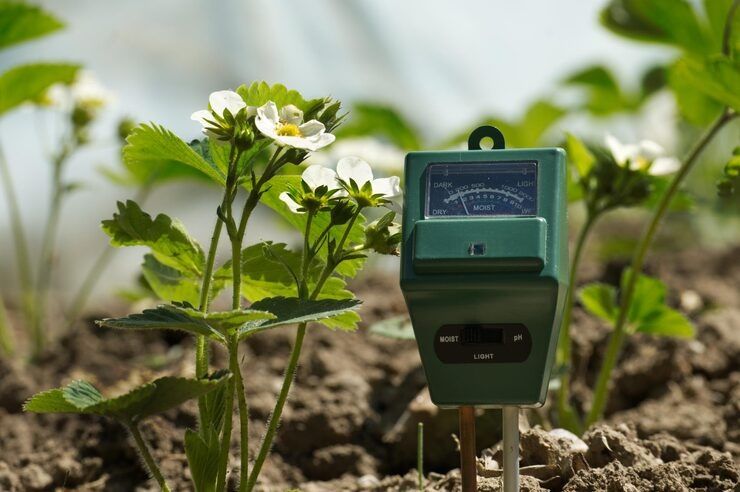
Importance: Why Agricultural Soil Sensors Matter Today
Agricultural soil sensors have become increasingly relevant in modern farming because agriculture faces challenges related to climate variability, water management, and soil degradation. Accurate soil data helps farmers adapt to these challenges while maintaining productivity and environmental balance.
Key reasons this topic matters today include:
-
Efficient water management: Sensors help determine when irrigation is needed and prevent over-watering.
-
Improved crop productivity: Monitoring soil conditions helps maintain optimal growing environments.
-
Resource optimization: Accurate data supports efficient use of fertilizers and nutrients.
-
Environmental sustainability: Better soil management reduces runoff and soil depletion.
-
Climate adaptation: Continuous monitoring helps farmers respond to temperature and moisture changes.
Agricultural soil sensors affect farmers, agricultural researchers, agronomists, irrigation planners, and environmental scientists. They help address issues such as inconsistent irrigation, nutrient imbalance, crop stress, and inefficient resource use. By providing actionable insights, these devices support the transition toward precision agriculture, where decisions are guided by accurate field data.
Recent Updates: Trends and Developments (2024–2025)
In the past year, agricultural soil sensor technology has advanced through improved sensor accuracy, connectivity, and integration with precision farming systems.
| Year | Development or Trend | Impact on Agriculture |
|---|---|---|
| 2024 | Expansion of wireless soil monitoring networks | Improved data coverage across large farms |
| 2024 | Multi-parameter soil sensors | Ability to monitor moisture, temperature, and conductivity simultaneously |
| Early 2025 | Integration with satellite data platforms | Better correlation between soil conditions and crop health |
| Mid-2025 | Improved durability for harsh environments | Longer operational lifespan in outdoor fields |
Agricultural technology research published in 2024 and early 2025 highlighted improvements in sensor calibration and low-power electronics, allowing devices to remain active in the field for extended periods. These innovations support more consistent soil monitoring and improved agricultural planning.
Laws and Policies Affecting Soil Sensor Use
Agricultural soil sensors are influenced by environmental policies, agricultural development programs, and technology standards that encourage efficient farming practices.
Common policy frameworks include:
-
Precision agriculture initiatives: Government programs supporting technology adoption in farming.
-
Water conservation policies: Encourage monitoring tools that improve irrigation efficiency.
-
Environmental protection regulations: Promote soil health monitoring to prevent land degradation.
-
Agricultural research programs: Support development of smart farming technologies.
For example, several countries have introduced national agricultural modernization strategies that encourage farmers to adopt digital tools and soil monitoring technologies. These initiatives aim to increase productivity while protecting natural resources such as soil and water.
Tools and Resources for Soil Monitoring
Several resources support farmers and agricultural professionals in using soil sensors effectively.
Common tools used alongside soil sensors:
-
Soil moisture monitoring dashboards
-
Irrigation planning calculators
-
Weather and rainfall forecasting platforms
-
Soil nutrient interpretation charts
-
Field mapping and crop monitoring tools
Educational and informational resources include:
-
Agricultural extension service publications
-
Research journals on soil science and agronomy
-
Government agriculture department portals
-
University agriculture research websites
-
Precision farming knowledge guides
These tools help transform raw sensor data into actionable insights that guide field decisions.
Key Types of Agricultural Soil Sensors
Agricultural soil sensors measure different aspects of soil health and conditions.
| Sensor Type | What It Measures | Practical Benefit |
|---|---|---|
| Soil moisture sensors | Water content in soil | Supports irrigation planning |
| Soil temperature sensors | Soil heat levels | Helps determine planting conditions |
| Electrical conductivity sensors | Soil salinity and nutrient movement | Supports nutrient management |
| pH sensors | Soil acidity or alkalinity | Guides crop suitability and fertilization |
| Multi-parameter sensors | Combination of several measurements | Provides broader soil condition analysis |
Each sensor type provides specific information that helps farmers understand the environment where crops grow.
Frequently Asked Questions
What is the main purpose of agricultural soil sensors?
Their main purpose is to monitor soil conditions such as moisture, temperature, and nutrient levels to support better farming decisions.
How do soil sensors improve irrigation efficiency?
By providing real-time moisture data, they help determine when irrigation is necessary and avoid unnecessary water use.
Are soil sensors suitable for different types of crops?
Yes. They can be used in crop fields, orchards, greenhouses, and horticulture operations.
Do soil sensors replace traditional soil testing?
No. They complement laboratory testing by providing continuous monitoring between periodic soil analyses.
Why is soil monitoring important for sustainability?
Monitoring helps maintain soil health, reduce resource waste, and support long-term agricultural productivity.
Conclusion
Agricultural soil sensors represent an important advancement in modern farming practices. By providing continuous insights into soil conditions, these devices help farmers manage water, nutrients, and crop environments more efficiently. Their role in supporting precision agriculture allows agricultural systems to become more responsive, productive, and environmentally responsible.
As agricultural technologies continue to evolve, soil sensors are likely to become even more accurate, durable, and integrated with broader agricultural monitoring systems. Understanding how these devices work and how they contribute to data-driven farming provides valuable knowledge for anyone interested in sustainable and efficient agricultural practices.