Understanding galvanized sheet metal begins with learning how ordinary steel is protected from rust. Steel is strong and widely used in construction and manufacturing, but it can corrode when exposed to moisture and air. To reduce this problem, a protective zinc layer is applied to the surface of steel sheets through a process known as galvanization.
The zinc coating acts as a barrier between the steel and the environment. Even if small scratches appear, the zinc layer can still protect the steel through a chemical process that slows corrosion. This protective coating makes galvanized sheet metal useful in many everyday structures and products.
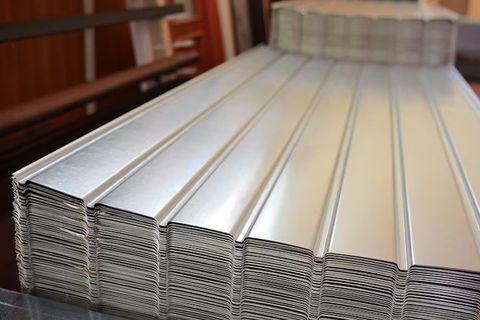
Galvanization has been used for many decades in infrastructure, appliances, and industrial equipment. Early industrial development showed that untreated steel deteriorates quickly in humid or outdoor environments. Applying zinc coating extended the lifespan of metal components and reduced maintenance requirements.
Today, galvanized sheet metal appears in roofing panels, air ducts, vehicle components, fencing, and structural supports. Because of its corrosion resistance and durability, it remains a widely used material in both industrial and residential environments.
Importance
Protection Against Corrosion
One of the main reasons galvanized sheet metal is widely used is its ability to resist corrosion. When steel is coated with zinc, the coating reacts with oxygen and moisture before the steel does. This reaction slows rust formation and protects the underlying metal.
In environments with rain, humidity, or changing temperatures, untreated steel can deteriorate quickly. Galvanization helps prevent early damage and allows structures to remain functional for longer periods.
Durability in Outdoor Applications
Galvanized sheet metal is commonly used in outdoor structures because it can withstand exposure to weather conditions. The protective zinc layer helps shield the steel from rain, sunlight, and atmospheric pollutants.
Common examples include:
- Roofing sheets used in residential and agricultural buildings
- Highway guardrails and structural supports
- Fencing panels and metal gates
- Storage tanks and outdoor equipment housings
The durability of galvanized materials helps maintain structural reliability in these environments.
Reduced Maintenance Requirements
Another important factor is the reduced need for frequent repairs or surface treatments. Once steel is galvanized, the protective layer remains attached to the surface for many years under normal conditions.
Maintenance may still be required over time, but galvanized materials typically experience slower deterioration compared with untreated steel. This characteristic makes the material practical for infrastructure and long-term installations.
Compatibility With Various Industries
Galvanized sheet metal is used across multiple industries due to its balance of strength and corrosion resistance. Some sectors where it appears frequently include:
- Construction and building infrastructure
- Transportation and automotive components
- Agricultural equipment and storage structures
- Heating, ventilation, and air duct systems
Because it can be formed, cut, and shaped without removing its protective coating, it adapts to different industrial requirements.
Recent Updates
Advances in Coating Technology
Recent developments in galvanization technology have improved coating consistency and durability. Manufacturing facilities now use advanced monitoring systems that regulate zinc thickness and ensure even distribution across metal surfaces.
These improvements allow manufacturers to produce sheet metal with more predictable corrosion resistance and structural performance.
Environmental and Sustainability Considerations
Industrial sectors have also focused on reducing environmental impact during metal processing. Some galvanization facilities now use recycling systems that recover zinc from production processes.
There is also growing interest in extending the lifespan of metal materials. By improving durability through galvanization, infrastructure components may require fewer replacements over time, which contributes to more efficient use of resources.
Increased Use in Renewable Infrastructure
Another trend involves the use of galvanized steel in renewable energy systems. Solar mounting structures, wind turbine platforms, and support frames often rely on corrosion-resistant metals because they operate outdoors for extended periods.
Galvanized sheet metal is frequently selected for these applications because it can withstand environmental exposure while maintaining structural strength.
Laws or Policies
Construction Standards and Material Guidelines
In many countries, building standards include recommendations for corrosion-resistant materials when structures are exposed to moisture or outdoor environments. These guidelines help ensure safety and long-term stability.
For example, construction codes may specify galvanized steel for:
- Roofing and structural framing in humid regions
- Exterior support brackets and railings
- Metal components exposed to rain or soil contact
These standards are designed to reduce structural deterioration over time.
Environmental and Industrial Regulations
Metal processing facilities must follow environmental regulations related to emissions, waste management, and chemical handling. Galvanization plants typically operate under guidelines that regulate zinc use and disposal procedures.
These regulations aim to limit environmental impact while allowing industries to produce corrosion-resistant materials safely.
Infrastructure and Transportation Policies
Government infrastructure programs sometimes specify galvanized materials for bridges, guardrails, and transportation systems. The purpose is to maintain structural reliability under outdoor conditions.
Using galvanized sheet metal in infrastructure can help slow corrosion in components exposed to weather and road environments.
Tools and Resources
Several technical tools and reference platforms help engineers, students, and construction professionals understand galvanized sheet metal and its applications.
Engineering Calculation Tools
Engineering calculators can estimate properties such as sheet thickness, load tolerance, and corrosion protection levels. These tools help planners evaluate how galvanized steel behaves in different environments.
Examples of common calculations include:
- Sheet metal thickness conversion tools
- Structural load estimators
- Corrosion resistance comparison charts
Technical Standards and Documentation
Many organizations publish documentation related to galvanized steel materials. These documents provide guidance on coating thickness, testing procedures, and structural applications.
Examples of useful resources include:
- International standards organizations that publish material specifications
- Engineering reference manuals for construction materials
- Educational platforms explaining metal corrosion science
Digital Design and Modeling Platforms
Architects and engineers frequently use design software to simulate structures before construction begins. These platforms allow users to visualize how galvanized sheet metal components integrate with other materials.
Design tools often support features such as:
- 3D modeling of structural elements
- Material stress simulations
- Construction planning diagrams
Typical Characteristics of Galvanized Sheet Metal
The following table summarizes several common characteristics associated with galvanized steel materials.
| Property | Description |
|---|---|
| Base Material | Steel sheet coated with zinc |
| Coating Method | Usually hot-dip galvanization |
| Main Protection | Zinc layer slows corrosion |
| Typical Applications | Roofing panels, ducts, fencing |
| Durability | Designed to resist rust in outdoor conditions |
| Maintenance Needs | Generally lower compared with untreated steel |
These characteristics explain why galvanized sheet metal remains widely used in infrastructure and industrial systems.
FAQs
What is galvanized sheet metal?
Galvanized sheet metal is steel that has been coated with a layer of zinc to protect it from corrosion. The zinc coating acts as a protective barrier between the steel surface and environmental elements such as moisture and oxygen.
How does the protective coating on galvanized sheet metal work?
The protective coating consists of zinc applied through galvanization processes such as hot-dip coating. Zinc reacts with oxygen before the steel does, which slows rust formation and helps preserve the metal structure.
How durable is galvanized sheet metal in outdoor environments?
Galvanized sheet metal is designed to withstand outdoor exposure such as rain, humidity, and temperature changes. The zinc layer provides corrosion resistance that helps maintain structural integrity over long periods under typical environmental conditions.
Where is galvanized sheet metal commonly used?
Common applications include roofing panels, air ventilation ducts, fencing, storage structures, and infrastructure components such as guardrails. Its corrosion resistance and durability make it suitable for environments exposed to weather.
Can galvanized sheet metal eventually corrode?
Over extended periods, the zinc coating may gradually wear down depending on environmental conditions. However, galvanization significantly slows corrosion compared with untreated steel, which is why the material remains widely used in outdoor and industrial settings.
Conclusion
Galvanized sheet metal is a widely used material created by applying a zinc protective coating to steel. This coating helps reduce corrosion and improves durability in outdoor environments. The material appears in many industries, including construction, infrastructure, and equipment manufacturing. Advances in coating technology and sustainability practices continue to influence how galvanized steel is produced and applied. Understanding its properties helps explain why it remains an important component in modern infrastructure.