Industrial Pump Overview: Essential Information and Details
Industrial pumps play a vital role in moving liquids, slurries, and other fluids across a wide range of industries. From manufacturing plants and water treatment facilities to energy production and chemical processing, industrial pumps help maintain smooth and efficient operations. Their ability to transfer fluids reliably makes them an important part of modern infrastructure and industrial systems.
As industries continue to adopt advanced technologies, the design and performance of industrial pumps have evolved significantly. Modern pump systems focus on efficiency, durability, monitoring capabilities, and environmental compliance. Understanding the basics of industrial pumps helps businesses, engineers, and facility operators make informed decisions about fluid handling requirements.
Context
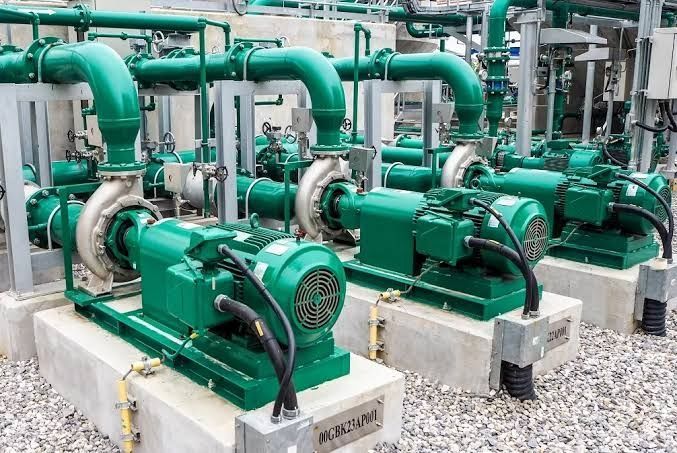
Industrial pumps are mechanical devices designed to transport liquids, gases, or fluid mixtures from one location to another. They operate by creating pressure or flow that moves fluids through pipelines, processing equipment, and storage systems.
The history of pump technology dates back thousands of years, but modern industrial pumps have become highly specialized. Today, they are used in sectors such as manufacturing, mining, agriculture, oil and gas, food processing, pharmaceuticals, and municipal water management. Their primary purpose is to ensure consistent fluid movement while maintaining operational efficiency.
Common Types of Industrial Pumps
Industrial pumps are generally categorized into two main groups:
| Pump Type | Description | Common Applications |
|---|---|---|
| Centrifugal Pumps | Use rotating impellers to move fluids | Water treatment, manufacturing |
| Positive Displacement Pumps | Move fixed volumes of fluid per cycle | Chemical processing, oil transfer |
| Diaphragm Pumps | Use flexible diaphragms for fluid movement | Chemical and pharmaceutical sectors |
| Gear Pumps | Utilize rotating gears to transfer fluids | Lubrication systems, fuel handling |
| Submersible Pumps | Operate while submerged in liquid | Wastewater and drainage systems |
Key Components
Most industrial pump systems include:
- Pump casing
- Impeller or displacement mechanism
- Shaft and bearings
- Motor or drive unit
- Sealing system
- Control and monitoring equipment
These components work together to deliver reliable fluid movement under varying operating conditions.
Importance
Industrial pumps are essential because many industrial processes depend on continuous fluid transportation. Without effective pumping systems, production activities, water distribution networks, and treatment facilities would face significant disruptions.
The impact of industrial pumps extends across multiple sectors:
- Manufacturing facilities rely on pumps for cooling, cleaning, and processing operations.
- Water treatment plants use pumps to transport and distribute water.
- Agricultural operations depend on pumps for irrigation systems.
- Energy facilities require pumps for cooling systems and fuel handling.
- Chemical industries use pumps to move process fluids safely.
Efficient pump operation can also contribute to reduced energy consumption and improved operational reliability. Since pumping systems often account for a significant portion of industrial energy usage, optimizing performance remains a major priority for facility managers.
Recent Updates
Between 2024 and 2026, several developments have influenced the industrial pump industry.
One significant trend is the adoption of smart monitoring technologies. Sensors and connected devices now provide real-time data on pump performance, vibration levels, temperature, and maintenance requirements. This helps organizations identify issues before equipment failure occurs.
Another important development is the growing focus on energy efficiency. Manufacturers are designing pump systems that consume less power while maintaining operational performance. Variable frequency drives (VFDs) are increasingly used to adjust pump speed according to demand.
Sustainability initiatives have also encouraged the development of environmentally responsible pumping solutions. Industries are seeking equipment that minimizes waste, reduces emissions, and supports resource conservation goals.
Digitalization continues to transform pump management through:
- Remote monitoring platforms
- Predictive maintenance systems
- Automated performance analysis
- Cloud-based operational reporting
These technologies improve reliability while supporting long-term asset management strategies.
Laws or Policies
Industrial pump operation is often influenced by national and international regulations related to safety, energy efficiency, environmental protection, and workplace standards.
Several regulatory areas commonly affect pump systems:
| Regulatory Area | Purpose |
| Energy Efficiency Standards | Promote reduced energy consumption |
| Environmental Regulations | Control emissions and wastewater handling |
| Occupational Safety Rules | Protect workers during operation and maintenance |
| Equipment Certification Requirements | Ensure compliance with technical standards |
| Water Management Policies | Support responsible water usage |
Many countries adopt standards developed by recognized engineering and industrial organizations. Compliance requirements may vary depending on industry sector, equipment type, and geographic location.
Organizations operating industrial pumps are generally expected to:
- Follow maintenance procedures
- Monitor equipment safety
- Maintain operational records
- Meet environmental compliance obligations
- Conduct regular inspections when required
Adhering to applicable regulations helps improve reliability, workplace safety, and environmental performance.
Tools and Resources
Several tools and resources can assist professionals in evaluating, operating, and maintaining industrial pumps.
Useful resources include:
- Pump performance calculators for flow rate and pressure analysis
- Energy efficiency assessment tools
- Maintenance scheduling templates
- Equipment monitoring software
- Engineering standards documentation
Industry professionals frequently use digital platforms to analyze system performance, identify efficiency opportunities, and support maintenance planning.
Common Evaluation Metrics
When assessing industrial pumps, the following metrics are often reviewed:
| Metric | Purpose |
| Flow Rate | Measures fluid volume moved over time |
| Head Pressure | Indicates pumping capability |
| Efficiency | Evaluates energy performance |
| Power Consumption | Tracks energy usage |
| Reliability | Measures operational consistency |
These metrics help organizations understand system performance and identify areas for improvement.
FAQs
What is an industrial pump?
An industrial pump is a mechanical device used to move liquids, slurries, or other fluids within industrial processes and infrastructure systems.
Which industries use industrial pumps?
Industrial pumps are used in manufacturing, agriculture, water treatment, mining, energy production, chemical processing, and food manufacturing.
What is the difference between centrifugal and positive displacement pumps?
Centrifugal pumps use rotating impellers to generate fluid flow, while positive displacement pumps move a fixed amount of fluid during each operating cycle.
Why is pump efficiency important?
Higher efficiency can reduce energy consumption, improve operational performance, and support sustainability objectives.
What are the latest trends in industrial pumps?
Recent trends include smart monitoring systems, predictive maintenance, digital integration, remote diagnostics, and improved energy-efficient designs.
Conclusion
Industrial pumps remain a fundamental part of modern industrial operations, supporting fluid movement across numerous sectors. Their applications range from water management and manufacturing to energy production and chemical processing. Recent advances in digital monitoring, energy efficiency, and predictive maintenance continue to improve pump performance and reliability. Understanding industrial pump systems, relevant regulations, and available resources helps organizations manage fluid handling requirements more effectively. As technology evolves, industrial pumps will continue to play an important role in supporting industrial productivity and infrastructure development.