Industrial Copper Sheet Guide: Applications in Electrical Industries Explained
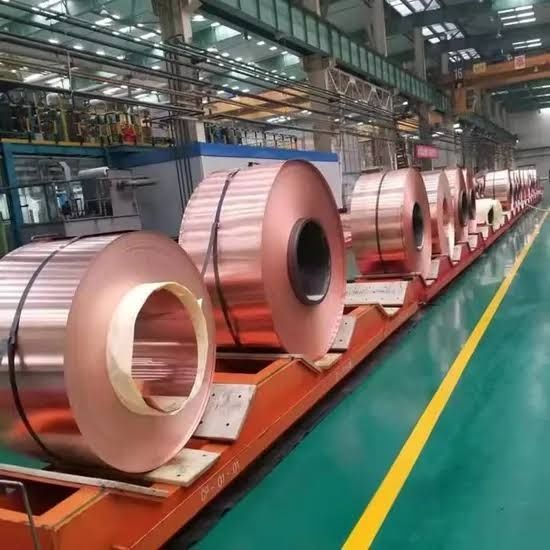
Industrial copper sheets are flat metal sheets manufactured from high-purity copper. They are widely used across electrical industries because copper has excellent electrical conductivity, thermal conductivity, corrosion resistance, and long-term durability. These characteristics make copper one of the most dependable materials for transmitting electricity safely and efficiently.
Copper has been used in electrical engineering for more than a century. As industries developed, manufacturers required materials capable of handling increasing electrical loads while maintaining reliability. Copper sheets became an important solution because they can easily be cut, formed, welded, and fabricated into various electrical components.
Today, industrial copper sheets are found in electrical panels, transformers, switchgear, grounding systems, renewable energy equipment, battery technologies, telecommunications infrastructure, electric vehicles, and industrial automation systems.
Growing demand for energy-efficient infrastructure, smart manufacturing, and renewable power generation has further increased the importance of copper sheet manufacturing in modern electrical applications.
Importance
Industrial copper sheets play a significant role in improving electrical efficiency and equipment reliability. Since copper provides low electrical resistance, less energy is lost during transmission, helping electrical systems perform more efficiently.
Many industries depend on copper sheets, including:
| Industry | Common Applications |
|---|---|
| Power Generation | Busbars, transformers, switchboards |
| Renewable Energy | Solar panels, wind power systems |
| Construction | Electrical grounding, distribution panels |
| Automotive | Electric vehicle battery systems |
| Electronics | Circuit components and shielding |
| Industrial Manufacturing | Control panels and automation equipment |
| Telecommunications | Signal transmission equipment |
Some major reasons copper sheets remain important include:
- High electrical conductivity
- Excellent thermal performance
- Strong corrosion resistance
- Long operational life
- Easy fabrication and machining
- Good mechanical strength
- High recycling efficiency
Copper sheets also contribute to improved energy efficiency because lower electrical resistance reduces heat generation during operation. This makes electrical equipment safer and more reliable in demanding industrial environments.
As smart grids, renewable energy projects, and electric transportation continue expanding, demand for high-quality industrial copper sheets is expected to remain strong.
Recent Updates
The industrial copper sector has experienced several notable developments during the past year.
Growing Renewable Energy Projects
During 2025 and early 2026, many countries continued expanding renewable energy infrastructure. Solar farms, wind energy projects, and battery storage facilities require significant amounts of conductive copper materials for power distribution and electrical connections.
Expansion of Electric Vehicle Manufacturing
Electric vehicle production continues increasing worldwide. Battery systems, charging stations, busbars, and electrical connectors frequently use industrial copper sheets because of their conductivity and durability.
Smart Manufacturing Technologies
Manufacturers increasingly use automated production systems, precision rolling equipment, and digital quality monitoring to improve copper sheet consistency. Modern inspection technologies help maintain dimensional accuracy and surface quality.
Increased Recycling Initiatives
Many industrial sectors are expanding copper recycling programs to improve material efficiency and reduce environmental impact. Recycled copper maintains many of the same performance characteristics as newly processed copper while supporting sustainable manufacturing.
Advanced High-Conductivity Grades
Material research continues to improve copper sheet performance through better purity levels and specialized alloys designed for demanding electrical applications, including data centers, semiconductor manufacturing, and renewable power systems.
Laws or Policies
Industrial copper sheets used in electrical industries are often manufactured and applied according to national and international standards. These regulations help ensure product quality, electrical safety, and environmental responsibility.
Different countries follow their own regulatory frameworks, but several common areas apply worldwide.
Electrical Safety Standards
Electrical installations generally require conductive materials that meet recognized technical specifications for conductivity, mechanical performance, and reliability.
Product Quality Standards
Industrial copper sheets are commonly manufactured according to internationally accepted material specifications that define:
- Chemical composition
- Mechanical properties
- Dimensional tolerances
- Surface finish
- Conductivity requirements
Environmental Regulations
Many governments encourage sustainable manufacturing through:
- Recycling initiatives
- Waste reduction programs
- Energy-efficient production practices
- Environmental management systems
Workplace Safety Requirements
Manufacturing facilities processing copper sheets usually follow occupational safety regulations covering:
- Worker protection
- Equipment safety
- Air quality
- Material handling
- Industrial hygiene
Infrastructure Development Policies
Many national infrastructure programs encourage modernization of electrical grids, renewable energy facilities, and industrial manufacturing. These developments indirectly increase demand for high-quality conductive materials such as industrial copper sheets.
Tools and Resources
Various resources help engineers, manufacturers, students, and industry professionals understand industrial copper sheet applications more effectively.
Useful categories include:
| Resource Type | Purpose |
|---|---|
| Material Property Calculators | Calculate conductivity and weight |
| Sheet Thickness Charts | Select appropriate dimensions |
| Electrical Design Software | Plan electrical systems |
| CAD Design Applications | Create engineering drawings |
| Manufacturing Standards Documents | Review material specifications |
| Engineering Handbooks | Learn fabrication methods |
| Technical Training Courses | Improve industrial knowledge |
| Quality Inspection Checklists | Verify manufacturing consistency |
Other helpful learning resources include:
- Electrical engineering textbooks
- Manufacturing process guides
- Metal fabrication manuals
- Industrial safety documentation
- Material science publications
- Engineering calculation templates
- Technical design worksheets
These resources support better understanding of copper sheet selection, fabrication, and electrical system design without relying on promotional information.
Applications of Industrial Copper Sheets in Electrical Industries
Industrial copper sheets are used in many electrical components because they combine excellent conductivity with mechanical reliability.
Common applications include:
Electrical Busbars
Copper sheets are frequently fabricated into busbars that distribute electrical power within industrial equipment and substations.
Transformer Components
Copper sheets help manufacture transformer windings and conductive elements requiring efficient current flow.
Electrical Panels
Distribution panels often include copper sheet components for reliable electrical connections.
Grounding Systems
Copper sheets improve grounding performance by providing effective electrical paths for fault current protection.
Switchgear Equipment
Switchgear systems depend on copper conductors capable of carrying high electrical loads safely.
Renewable Energy Systems
Solar energy installations and wind power equipment commonly use copper sheets in electrical distribution components.
Electric Vehicle Components
Battery packs, charging systems, and power distribution assemblies frequently incorporate copper sheet materials.
Industrial Automation
Modern factories use copper sheet components inside control cabinets, automation systems, and industrial electrical equipment.
Advantages of Industrial Copper Sheets
Copper sheets provide numerous technical advantages for electrical industries.
Some key benefits include:
- Excellent electrical conductivity
- High thermal conductivity
- Superior corrosion resistance
- Long operating life
- Reliable mechanical strength
- Easy fabrication and forming
- High recycling value
- Consistent industrial performance
- Compatibility with modern electrical systems
- Reduced electrical resistance
These characteristics make copper one of the most trusted materials for demanding industrial electrical applications.
FAQs
What is an industrial copper sheet?
An industrial copper sheet is a flat metal product manufactured from copper for electrical, industrial, construction, and engineering applications where high conductivity and durability are required.
Why are copper sheets preferred in electrical industries?
Copper offers excellent electrical conductivity, efficient heat transfer, corrosion resistance, and long-term reliability, making it ideal for electrical equipment.
Are copper sheets recyclable?
Yes. Copper is one of the most recyclable industrial metals. Recycled copper maintains excellent performance characteristics and supports sustainable manufacturing.
Which industries commonly use industrial copper sheets?
Power generation, renewable energy, electronics, automotive manufacturing, telecommunications, industrial automation, and electrical construction all use industrial copper sheets.
What factors should be considered when selecting a copper sheet?
Important considerations include thickness, conductivity requirements, mechanical strength, corrosion resistance, fabrication needs, dimensional accuracy, and compliance with applicable technical standards.
Conclusion
Industrial copper sheets remain an essential material in modern electrical industries because they combine outstanding electrical conductivity, mechanical strength, corrosion resistance, and long-term reliability. Their versatility supports applications ranging from transformers and electrical panels to renewable energy systems, electric vehicles, telecommunications, and industrial automation.