Industrial Pressure Systems Guide: Types, Applications, Safety and Modern Technology
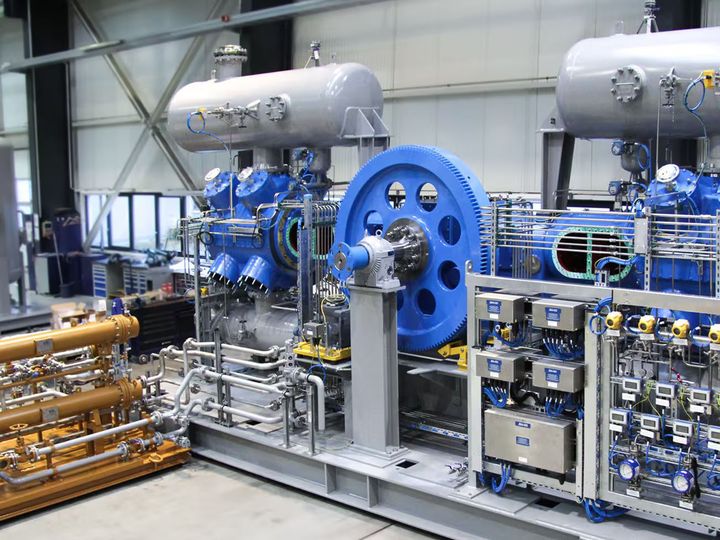
industrial pressure systems are engineered arrangements used to contain, transfer, regulate, or monitor fluids and gases under pressure. They can include pressure vessels, piping networks, compressors, pumps, valves, regulators, gauges, sensors, and automated control equipment.
These systems exist because many industrial processes require materials to move or remain within controlled pressure ranges. Chemical processing, power generation, oil and gas operations, food processing, pharmaceutical production, water treatment, and manufacturing facilities all depend on controlled pressure for different stages of production.
A pressure system may operate with gases such as compressed air, nitrogen, hydrogen, oxygen, or natural gas. It may also handle liquids, steam, refrigerants, or process fluids.
The main objective is controlled operation. Equipment must be designed for the intended pressure, temperature, material, flow conditions, and operating environment.
Common components include:
- Pressure vessels for storing or processing pressurized materials
- Pressure gauges for direct pressure readings
- Pressure sensors and transmitters for electronic measurement
- Control valves for regulating flow and pressure
- Safety relief valves for pressure protection
- Compressors for increasing gas pressure
- Pumps for moving liquids through pressurized systems
- Piping and fittings for connecting equipment
- Programmable controllers for automated process control
Industrial pressure systems can range from relatively simple compressed-air arrangements to complex process control networks involving hundreds of instruments and interconnected components.
Why Industrial Pressure Systems Matter Today
Pressure management is important because unstable or excessive pressure can affect equipment performance, product quality, energy efficiency, and workplace safety.
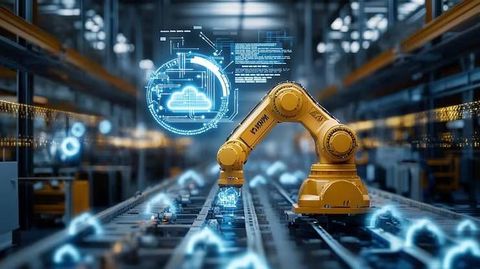
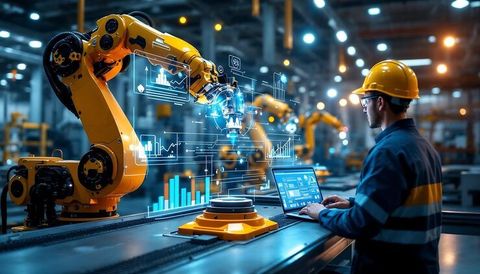
Industries increasingly use automated pressure control systems to maintain operating conditions more consistently. Digital instrumentation allows pressure information to be collected continuously, while industrial automation can respond to changing process conditions.
Several areas are particularly important.
Workplace safety:
A pressure vessel or pipeline operating outside its intended limits can create serious hazards. Proper design, inspection, pressure relief, and operating procedures help reduce these risks.
Process efficiency:
Incorrect pressure can increase energy consumption or affect production conditions. Maintaining appropriate pressure can support better process stability.
Equipment protection:
Pressure surges, excessive pressure, vibration, temperature changes, and corrosion can contribute to equipment deterioration. Monitoring helps identify abnormal conditions earlier.
Product quality:
Industries such as food processing and pharmaceuticals often require tightly controlled process conditions. Pressure can influence filtration, mixing, sterilization, filling, and other operations.
Industrial automation:
Modern pressure control increasingly connects sensors, controllers, valves, alarms, and data platforms. This supports more responsive process management.
| System Component | Primary Function | Typical Application |
|---|---|---|
| Pressure Vessel | Contains pressurized material | Chemical and process plants |
| Pressure Sensor | Measures pressure | Automated process control |
| Relief Valve | Protects against excessive pressure | Boilers and vessels |
| Control Valve | Regulates flow or pressure | Process pipelines |
| Compressor | Raises gas pressure | Compressed-air systems |
| Pump | Moves liquids | Water and process systems |
| Controller | Coordinates automated actions | Industrial automation |
Recent Developments in Pressure Control Technology
Pressure-system technology has continued to develop through greater automation, digital monitoring, and improved safety management.
One notable regulatory development in India occurred on June 5, 2025, when the government notified amendments to the Static and Mobile Pressure Vessels (Unfired) Rules, 2016. The amendments introduced provisions covering bulk hydrogen compressed gas systems and related hydrogen infrastructure, reflecting the growing importance of hydrogen technologies.
Another development appeared on February 24, 2026, when the Petroleum and Explosives Safety Organisation published a draft amendment notification for the SMPV(U) Rules. Draft rules should be distinguished from final requirements until officially brought into force.
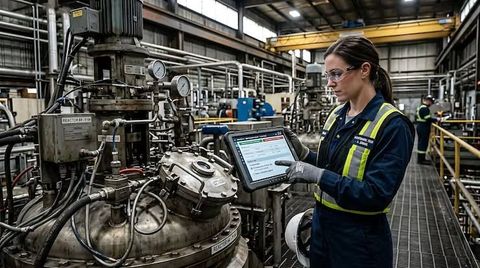
Digital pressure monitoring is also becoming more common. Modern industrial facilities can combine pressure transmitters with automated controllers and centralized dashboards. These systems can record pressure trends, generate alarms, and help operators identify unusual operating patterns.
Predictive maintenance is another growing area. Instead of depending only on fixed inspection schedules, organizations can analyze pressure, temperature, vibration, and flow data to identify developing equipment problems.
Hydrogen infrastructure is receiving particular attention because hydrogen storage and distribution can involve high-pressure equipment and specialized safety considerations. The 2025 Indian amendments specifically defined bulk hydrogen compressed gas systems and associated components such as storage vessels, transfer piping, manifolds, compressors, and electrolyser-related systems.
Laws, Regulations, and Safety Policies in India
Pressure equipment is subject to several regulatory frameworks in India, depending on the type of equipment, material, pressure, application, and location.
The Static and Mobile Pressure Vessels (Unfired) Rules, 2016 are particularly important for specified compressed-gas pressure vessels and related installations. The Petroleum and Explosives Safety Organisation maintains the applicable rules and related procedures.
The Gas Cylinder Rules, 2016 provide another important regulatory framework for applicable gas-cylinder activities.
The SMPV(U) framework includes requirements relating to design, fabrication, inspection, testing, safety fittings, pressure vessels, storage installations, and transportation arrangements. PESO documentation also describes periodic testing and safety certification requirements for applicable equipment.
Pressure vessels may be designed and constructed according to recognized codes such as IS 2825, ASME Section VIII, PD 5500, EN standards, or other accepted standards, depending on the applicable regulatory requirements.
India also brought the Occupational Safety, Health and Working Conditions Code, 2020 into force on November 21, 2025. The Code provides a broader occupational safety framework relevant to industrial workplaces, while specific pressure equipment requirements continue to depend on the applicable technical and regulatory rules.
Organizations should verify the latest applicable regulations, approvals, inspection requirements, and technical standards before designing or modifying pressure equipment. Regulatory requirements can vary according to the equipment and application.
Tools and Resources for Pressure System Management
Several categories of tools can support pressure-system planning, monitoring, inspection, and learning.
Pressure calculation tools:
Engineering calculators can help estimate pressure, flow, temperature relationships, pipe dimensions, and basic vessel parameters. Calculations for actual equipment should be checked against applicable engineering codes.
Digital pressure gauges:
Electronic gauges provide pressure readings and may support data logging or remote monitoring.
Pressure transmitters:
These devices convert pressure measurements into signals that can be used by industrial control systems.
Control-system dashboards:
Digital dashboards can display pressure trends, alarms, operating limits, and historical data.
Inspection templates:
Standardized inspection checklists can help document equipment condition, safety fittings, test dates, corrosion observations, and maintenance findings.
Engineering codes and standards:
Recognized pressure-vessel and piping codes provide technical requirements for design, materials, fabrication, testing, and inspection.
Regulatory portals:
Government regulatory websites can provide current rules, notifications, forms, and application procedures. For India, PESO maintains information related to the SMPV(U) Rules and associated documentation.
Training resources:
Technical manuals, engineering textbooks, industrial safety courses, and equipment documentation can help operators and engineers understand pressure-system fundamentals.
Frequently Asked Questions
What are industrial pressure systems?
Industrial pressure systems are combinations of vessels, piping, valves, pumps, compressors, sensors, and controls designed to contain or manage pressurized fluids or gases in industrial processes.
What are common types of industrial pressure equipment?
Common equipment includes pressure vessels, boilers, compressed-air systems, gas storage vessels, process piping, compressors, pumps, regulators, control valves, and pressure-relief devices. The exact equipment depends on the industrial application.
Why is pressure monitoring important?
Pressure monitoring helps operators understand whether equipment is operating within its intended range. Continuous monitoring can also help identify abnormal pressure changes and support preventive maintenance.
What safety devices are commonly used?
Pressure-relief valves, safety valves, rupture discs, pressure alarms, emergency shutdown systems, and monitoring instruments are commonly used. The appropriate protection depends on the equipment and applicable engineering and regulatory requirements.
What standards apply to pressure vessels in India?
Applicable standards depend on the equipment and regulatory category. Recognized design codes can include IS 2825 and ASME Section VIII, while specific pressure vessels and compressed-gas installations may fall under regulatory requirements administered by PESO.
Conclusion
Industrial pressure systems are essential to many modern manufacturing and process environments. They allow gases, liquids, steam, and other materials to be stored, transported, and processed under controlled conditions.