Research Laboratory Analytical Equipment Guide: Types, Uses & Key Benefits
Research laboratory analytical equipment plays a vital role in scientific research, product development, quality evaluation, environmental studies, healthcare, education, and industrial innovation. These instruments help researchers collect reliable information, analyze materials, and understand complex scientific processes with greater accuracy.
Modern laboratories depend on analytical equipment to produce consistent and measurable results. Whether testing chemicals, examining biological samples, evaluating food quality, or monitoring environmental conditions, these instruments provide valuable data that supports scientific knowledge and informed decision-making.
This guide explains the purpose of research laboratory analytical equipment, why it is important, recent developments, applicable regulations, useful resources, and answers to frequently asked questions in a simple and easy-to-understand format.
What Is Research Laboratory Analytical Equipment?
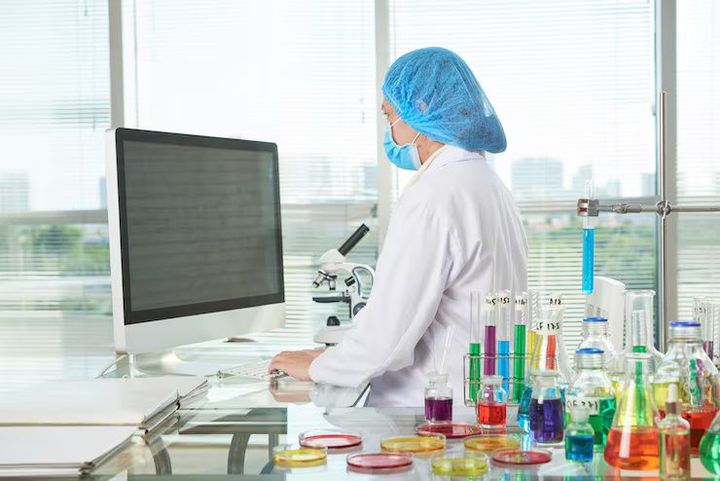
Research laboratory analytical equipment refers to specialized instruments used to identify, measure, examine, and evaluate the physical, chemical, and biological properties of materials. These instruments generate accurate information that supports scientific research and laboratory investigations.
Analytical equipment has developed significantly over the years. Earlier laboratories relied on manual observations and basic measuring tools. Today, digital technologies, automation, artificial intelligence, and advanced sensors have improved laboratory accuracy, efficiency, and data management.
These instruments are commonly used in:
- Scientific research laboratories
- Educational institutions
- Healthcare laboratories
- Pharmaceutical research
- Food analysis laboratories
- Environmental monitoring facilities
- Chemical research centers
- Agricultural laboratories
- Material science laboratories
- Biotechnology research
The primary purpose of analytical equipment is to produce dependable results while reducing human error and improving research quality.
Common Types of Research Laboratory Analytical Equipment
Laboratories use different instruments depending on the type of analysis being performed.
| Equipment Type | Primary Purpose |
|---|---|
| Spectrophotometers | Measure light absorption for sample analysis |
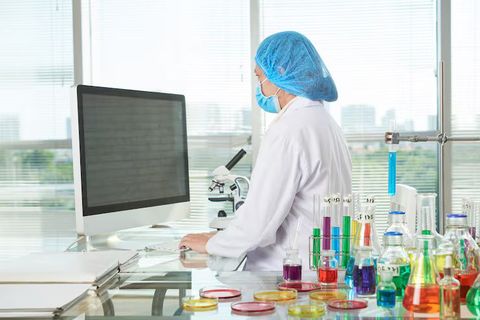
| Microscopes | Observe microscopic structures and organisms |
| Chromatography Systems | Separate chemical compounds |
| Mass Spectrometers | Identify molecular composition |
| pH Meters | Measure acidity and alkalinity |
| Analytical Balances | Measure precise sample weight |
| Centrifuges | Separate substances using rotational force |
| Thermal Analysis Instruments | Study material behavior under temperature changes |
| Particle Size Analyzers | Measure particle dimensions |
| Moisture Analyzers | Determine moisture content in materials |
Each instrument contributes unique analytical capabilities that support scientific investigations across multiple disciplines.
Importance
Why Research Laboratory Analytical Equipment Matters Today
Accurate laboratory analysis supports innovation across many industries. Reliable equipment allows researchers to produce trustworthy findings that contribute to scientific progress and technological development.
Key reasons these instruments are important include:
- Improving research accuracy
- Supporting scientific discoveries
- Enhancing product quality evaluation
- Strengthening environmental monitoring
- Advancing healthcare research
- Assisting educational learning
- Supporting agricultural improvements
- Improving food safety testing
- Helping material characterization
- Enabling standardized laboratory procedures
Who Uses Analytical Equipment?
Many professionals rely on laboratory analytical instruments, including:
- Researchers
- Scientists
- Laboratory technicians
- University students
- Environmental specialists
- Healthcare professionals
- Agricultural researchers
- Food scientists
- Material engineers
- Quality analysts
Problems These Instruments Help Address
Analytical equipment assists laboratories in solving many scientific challenges, such as:
- Identifying unknown substances
- Measuring chemical composition
- Detecting contamination
- Evaluating material properties
- Monitoring environmental samples
- Measuring biological activity
- Supporting disease research
- Examining product consistency
- Improving laboratory accuracy
- Reducing measurement uncertainty
Because laboratory decisions often depend on precise data, reliable analytical equipment remains essential across research fields.
Recent Updates
Research laboratory technology has continued to evolve throughout 2025 and early 2026, introducing smarter and more efficient analytical systems.
Several important developments include:
Artificial Intelligence Integration
Many modern laboratory systems now include artificial intelligence features that assist with data interpretation, pattern recognition, and automated reporting.
Automation Expansion
Automated sample preparation and analysis have become increasingly common, helping laboratories improve workflow consistency while reducing repetitive manual tasks.
Digital Laboratory Management
Laboratories continue adopting digital record systems that improve documentation, traceability, and collaboration among research teams.
Improved Instrument Sensitivity
Manufacturers have introduced equipment capable of detecting increasingly smaller quantities of materials, improving research precision.
Sustainable Laboratory Practices
Many laboratories are reducing waste generation by using energy-efficient instruments and environmentally responsible laboratory procedures.
Remote Monitoring
Cloud-connected laboratory instruments allow authorized researchers to monitor experiments and equipment performance from different locations, improving operational flexibility.
These technological improvements continue supporting faster research, better accuracy, and improved laboratory efficiency.
Laws or Policies
Research laboratories operate within established regulatory frameworks designed to ensure scientific integrity, laboratory safety, and environmental responsibility.
Although regulations differ by country, several common policy areas influence laboratory operations.
Laboratory Safety Regulations
Most countries require laboratories to maintain safe working environments through proper handling of chemicals, biological materials, and laboratory equipment.
Safety policies typically include:
- Personal protective equipment
- Hazard communication
- Emergency preparedness
- Chemical storage procedures
- Waste management protocols
Quality Management Standards
Many research laboratories follow internationally recognized quality management systems to improve consistency and reliability.
These frameworks generally address:
- Equipment calibration
- Documentation practices
- Quality assurance
- Internal audits
- Continuous improvement
Environmental Regulations
Laboratories handling chemicals or hazardous materials must follow environmental guidelines for disposal and waste management to minimize environmental impact.
Data Protection Policies
Digital laboratory systems often require secure handling of research information through established data protection practices and controlled access procedures.
Ethical Research Guidelines
Scientific research involving biological materials, animals, or human participants typically follows ethical review processes established by national or institutional authorities.
Following applicable regulations helps laboratories maintain reliable scientific practices while protecting researchers, participants, and the environment.
Tools and Resources
Various general resources support laboratory professionals in planning, conducting, and documenting analytical work.
Helpful resources include:
- Laboratory calculation templates
- Measurement uncertainty calculators
- Chemical compatibility charts
- Laboratory notebook templates
- Scientific data recording worksheets
- Statistical analysis software
- Calibration record templates
- Laboratory safety checklists
- Risk assessment templates
- Scientific terminology dictionaries
- Unit conversion calculators
- Scientific publication databases
- Laboratory inventory management systems
- Equipment maintenance logs
- Scientific training materials
These resources help improve organization, documentation, analytical accuracy, and laboratory efficiency.
Frequently Asked Questions
What is research laboratory analytical equipment?
Research laboratory analytical equipment includes scientific instruments used to measure, identify, evaluate, and analyze the physical, chemical, or biological properties of samples with high accuracy.
Why is analytical equipment important in scientific research?
Analytical equipment provides reliable measurements that help researchers understand scientific processes, validate experimental results, improve research quality, and support evidence-based conclusions.
Which industries commonly use analytical laboratory equipment?
Analytical equipment is widely used in healthcare, pharmaceuticals, education, agriculture, environmental science, biotechnology, food science, chemical research, and material science.
How often should laboratory equipment be calibrated?
Calibration schedules depend on the equipment type, laboratory procedures, manufacturer recommendations, and applicable quality management requirements. Regular calibration helps maintain measurement accuracy.
What skills are useful for operating analytical laboratory equipment?
Laboratory professionals benefit from knowledge of scientific methods, data analysis, laboratory safety, equipment maintenance, documentation practices, and quality control procedures.
Conclusion
Research laboratory analytical equipment forms the foundation of modern scientific investigation. From identifying chemical compounds to studying biological systems and evaluating environmental samples, these instruments provide the accurate information needed for reliable research.