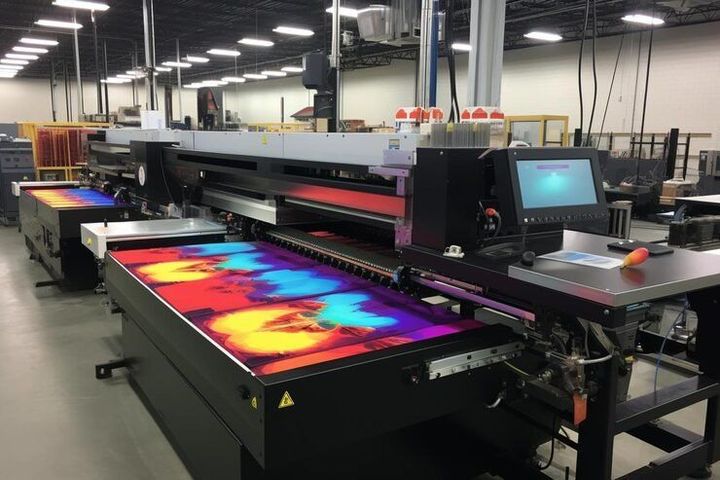
Industrial Digital Printers: Explore Advanced Printing Technology and Solutions
Digital printing has reshaped modern industrial production processes. It uses digitally controlled equipment to transfer text, graphics, patterns, and images onto different materials. Unlike traditional printing methods that often require physical printing plates, digital systems can process electronic designs directly.
Industrial digital printers are used across manufacturing, packaging, textiles, advertising, and product identification. Their applications range from printing labels on containers to producing detailed patterns on fabrics and large graphics for commercial environments. Different machines are designed to handle specific materials, production volumes, and printing requirements.
An Industrial Inkjet Printer is one common technology in this field. It uses controlled droplets of ink to create images or information on a surface. Other systems use toner, specialized inks, or different digital printing processes depending on the application.
Importance of Industrial Printers in Modern Manufacturing
Supporting Different Production Requirements
Industrial printing helps manufacturers add product information, identification details, decorative designs, and instructions directly to materials or finished products. These printed elements support packaging, inventory management, product recognition, and communication.
A Commercial Digital Press, for example, can produce brochures, catalogs, business documents, and other printed materials. Meanwhile, specialized industrial equipment handles applications that require printing on fabrics, packaging materials, rigid surfaces, or product containers.
Improving Design Flexibility
Digital workflows make it easier to change designs without preparing new physical printing plates for every variation. This flexibility is useful when manufacturers need different product labels, packaging designs, or customized graphics.
Important advantages include:
Design adjustments: Digital files can be updated before production.
Variable information: Different product details can be printed within a production run.
Material compatibility: Specialized systems support different surfaces and substrates.
Production monitoring: Digital controls help operators monitor printing activities.
Repeatability: Standardized settings support consistent output across production batches.
These capabilities make digital printing relevant to both specialized manufacturing and larger production environments.
Types of Industrial Digital Printers and Their Applications
Different printing systems are developed for particular materials and industrial requirements. Understanding their functions helps explain how digital printing supports various sectors.
Direct-to-Shape Printer
A Direct-to-Shape Printer applies graphics, text, or decorative elements directly onto three-dimensional objects. These machines can work with selected bottles, containers, promotional products, and other shaped items.
Depending on the equipment, printing may involve cylindrical, curved, or irregular surfaces. The technology can reduce the need for separate labels in certain applications, although material compatibility and surface preparation remain important considerations.
Commercial Digital Press
A Commercial Digital Press produces printed documents, marketing materials, catalogs, books, and other commercial publications. These machines commonly use toner-based or inkjet-based printing technology.
They are useful when production requires frequent design changes, multiple versions, or shorter printing runs. Their digital workflow also supports variable data, allowing individual documents to contain different names, numbers, or other information.
Digital Textile Printer
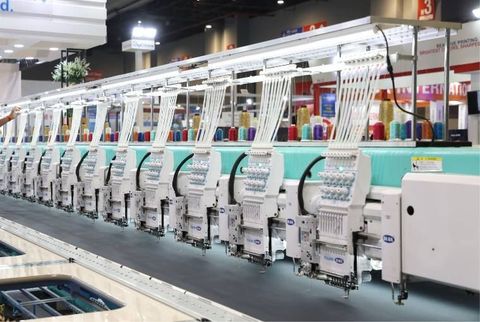
A Digital Textile Printer transfers digital designs onto suitable fabrics. It is widely used in fashion, home furnishings, decorative textiles, and customized fabric production.
Depending on the printing system, different ink types are used for cotton, polyester, and blended materials. Fabric preparation, color management, and post-printing treatments can influence the final appearance and durability.
Large Format Printer
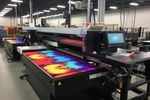
A Large Format Printer produces oversized graphics for banners, signs, displays, vehicle graphics, and architectural presentations. These machines can print on materials such as paper, vinyl, selected fabrics, and other compatible media.
Their output dimensions and ink systems vary according to the equipment. Color accuracy, resolution, and material handling are important considerations for professional applications.
Industrial Label Printer
An Industrial Label Printer creates identification labels, barcodes, product information, warning notices, and tracking details. These printers are used in warehouses, manufacturing facilities, logistics operations, and packaging environments.
Some systems use thermal printing, while others use digital inkjet technology. The choice depends on label material, printing volume, environmental conditions, and information requirements.
Digital Packaging Printer
A Digital Packaging Printer produces graphics and information on suitable packaging materials. Applications include cartons, flexible packaging, paperboard, and selected containers.
Digital printing can support multiple packaging designs and product variations. It is particularly relevant when packaging requirements involve frequent updates, different product versions, or shorter production batches.
Comparison of Industrial Digital Printing Systems
The following table provides a general overview of common printer types and their applications.
| Printer Type | Main Application | Common Materials |
|---|---|---|
| Direct-to-Shape Printer | Object decoration | Plastic, glass, metal |
| Commercial Digital Press | Publications and documents | Paper, cardstock |
| Digital Textile Printer | Fabric patterns | Cotton, polyester |
| Large Format Printer | Signs and displays | Vinyl, paper, fabric |
| Industrial Label Printer | Product identification | Label stock |
| Digital Packaging Printer | Packaging graphics | Cartons, flexible materials |
| Industrial Inkjet Printer | Industrial marking and printing | Compatible surfaces |
Actual material compatibility depends on the printer model, ink formulation, and surface treatment.
Technology Behind Industrial Digital Printing
Inkjet Printing Systems
Inkjet technology creates images by placing small droplets of ink onto a surface. Depending on the design, printheads may use thermal or piezoelectric mechanisms to control droplet formation.
Industrial inkjet systems are used for product coding, packaging graphics, textiles, and specialized manufacturing applications. Their capabilities depend on printhead design, ink characteristics, resolution, and production speed.
Digital Workflow and Automation
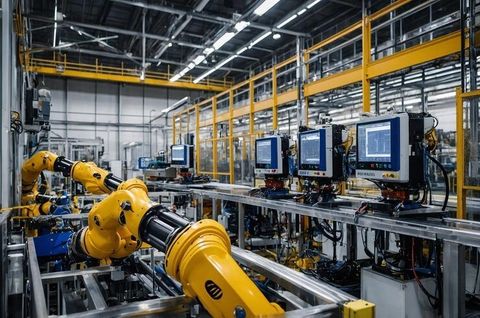
Modern printing environments increasingly use software to manage artwork, production settings, color profiles, and print scheduling. Automated material handling can also support continuous production processes.
Sensors and monitoring systems help operators identify printing irregularities, material movement problems, and equipment conditions. However, automation levels differ between machines and facilities.
Color Management and Print Quality
Color management helps maintain predictable colors across different materials and production stages. Digital systems may use calibration tools, standardized color profiles, and test prints to evaluate output quality.
Print resolution, ink absorption, surface texture, and environmental conditions can all influence the finished result.
Recent Developments in Industrial Printing
Industrial digital printing continues to develop through improvements in automation, software, printhead technology, and material compatibility.
Several important developments include:
Artificial intelligence: Software-assisted inspection can help identify certain printing defects.
Smart manufacturing: Connected equipment supports production monitoring and workflow coordination.
Advanced ink formulations: Research continues into inks suitable for different substrates and applications.
Digital customization: Manufacturers increasingly explore personalized packaging and variable printing.
Resource management: Some modern systems focus on reducing material waste and improving ink usage.
These developments indicate a growing connection between digital printing and broader industrial automation. However, their practical benefits depend on equipment design, operating conditions, and production requirements.
Laws, Safety, and Environmental Considerations
Industrial printing operations must consider applicable workplace safety, environmental, chemical handling, and waste management regulations. Requirements vary according to the country, printing process, materials, and industry.
Operators should follow equipment instructions and relevant workplace safety procedures. Proper ventilation, suitable protective equipment, safe ink storage, and responsible waste disposal are important considerations.
Environmental factors also influence printing technology selection. Ink composition, energy consumption, cleaning requirements, and discarded materials can affect the environmental footprint of a printing operation.
Manufacturers should review relevant local regulations and applicable environmental standards before introducing new printing processes.
Tools and Resources for Understanding Printing Systems
Several resources can help businesses, students, and manufacturing professionals understand industrial printing technology.
Design software: Supports artwork preparation, layout adjustments, and digital file management.
Color management tools: Help evaluate color consistency and printing accuracy.
Material compatibility guides: Explain suitable substrates and printing conditions.
Maintenance checklists: Help organize equipment inspections and cleaning activities.
Production monitoring systems: Provide information about printing workflows and machine performance.
Using reliable technical documentation and equipment specifications can help users understand the capabilities and limitations of individual printing systems.
Frequently Asked Questions
1. What is an industrial digital printer?
An industrial digital printer is equipment that transfers digital images, text, patterns, or information onto materials used in manufacturing, packaging, textiles, and commercial production.
2. What is an Industrial Inkjet Printer used for?
An Industrial Inkjet Printer is commonly used for product marking, packaging graphics, labels, coding, and printing on compatible industrial materials.
3. How is a Digital Textile Printer different from a regular printer?
A Digital Textile Printer is designed specifically for fabric printing. It uses compatible inks and printing processes suited to textile materials and their preparation requirements.
4. What industries use Large Format Printers?
Large Format Printers are commonly used in advertising, retail displays, construction presentations, event graphics, transportation graphics, and commercial signage.
5. What factors matter when selecting industrial printing equipment?
Important factors include printing material, required output quality, production volume, ink compatibility, machine dimensions, maintenance requirements, and applicable safety regulations.
Conclusion
Industrial digital printing has become an important part of modern manufacturing and commercial production. Different technologies, including Direct-to-Shape Printers, Commercial Digital Press systems, Digital Textile Printers, and Digital Packaging Printers, support a wide range of applications.