Hybrid vehicles combine two different power sources: an internal combustion engine and an electric motor powered by a battery pack. Because these systems work together, understanding hybrid car maintenance requires basic knowledge of how the technology developed and how its components interact. Hybrid systems first gained wide public attention in the late 1990s as vehicle manufacturers explored ways to reduce fuel consumption and emissions.
Unlike conventional vehicles that rely entirely on an engine, hybrids alternate between electric propulsion and gasoline power depending on driving conditions. This dual-power design improves energy efficiency and lowers emissions. However, it also introduces additional components such as high-voltage batteries, regenerative braking systems, and electronic control modules.
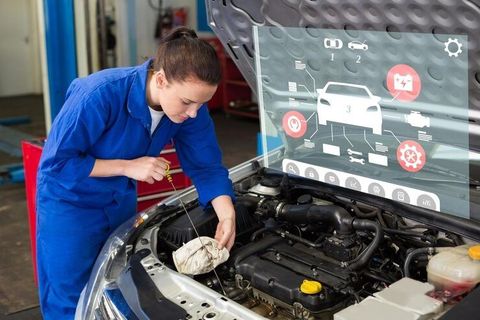
Hybrid car maintenance focuses on preserving the reliability of both the mechanical and electrical systems. Routine care typically includes monitoring battery health, inspecting braking systems influenced by regenerative technology, and maintaining engine components that still operate in many hybrid designs.
For many drivers, hybrid technology may seem complex at first. In practice, the underlying maintenance principles remain similar to those of traditional vehicles: keeping systems clean, monitoring wear, and addressing small issues early. Understanding these principles helps drivers maintain safe and efficient vehicle operation over time.
Importance
Hybrid vehicles have become increasingly common in many regions due to growing environmental awareness and evolving transportation policies. As more households adopt these vehicles, hybrid car maintenance becomes an important topic for everyday drivers who want to understand how these systems operate over time.
Environmental Considerations
One major reason hybrids gained popularity is their potential to reduce fuel consumption and emissions. By using electric propulsion during low-speed driving and recovering energy during braking, hybrid systems use energy more efficiently.
Maintaining these systems properly supports environmental goals by helping the vehicle operate within its intended efficiency range. When components such as batteries, cooling systems, or braking systems function correctly, the hybrid system can balance energy use more effectively.
Practical Benefits for Drivers
Hybrid vehicles also introduce new maintenance considerations that drivers may not encounter with conventional vehicles. For example, hybrid systems rely heavily on electronic monitoring and battery management technology.
Understanding these elements helps drivers recognize common maintenance needs, including:
- Battery condition monitoring and temperature management
- Brake system inspections influenced by regenerative braking
- Cooling system checks for both engine and battery systems
- Software diagnostics that manage energy flow between components
Drivers who understand these aspects can better interpret dashboard indicators and vehicle information displays.
Long-Term Reliability
Hybrid vehicles are designed with durable components intended to operate for many years. However, maintaining reliability depends on consistent care and attention to system health.
Regular inspections of mechanical and electrical systems help detect issues early. This approach reduces the likelihood of unexpected performance changes and helps maintain the balance between the electric motor and gasoline engine.
Recent Updates
Between 2024 and 2026, hybrid vehicle technology continued evolving through improvements in battery chemistry, software control systems, and integration with digital vehicle platforms. These developments influence how hybrid car maintenance is approached today.
Advances in Battery Technology
Hybrid battery systems have gradually become more efficient and resilient. Many newer hybrid models now use improved lithium-ion battery designs rather than earlier nickel-metal hydride configurations.
These newer batteries typically include advanced temperature regulation and monitoring systems. Vehicle software continuously tracks battery charge cycles, temperature levels, and electrical performance to maintain stable operation.
Enhanced Diagnostic Systems
Modern hybrids increasingly rely on onboard diagnostics and vehicle software to monitor system health. Many vehicles now provide detailed information through dashboard displays or companion mobile applications.
These systems can track data such as:
- Battery charge cycles and energy recovery levels
- Regenerative braking activity
- Engine and electric motor coordination
- Thermal management within battery compartments
These diagnostic tools help drivers understand how their hybrid system functions during daily use.
Integration With Digital Platforms
Vehicle connectivity has also expanded. Some manufacturers integrate hybrid performance data into digital dashboards or mobile applications. These platforms display information about energy flow, battery status, and efficiency patterns.
Such digital features do not replace regular maintenance awareness, but they provide additional information that helps drivers understand vehicle behavior in different driving conditions.
Global Trends in Hybrid Adoption
According to analysis from organizations such as the International Energy Agency, hybrid and electrified vehicles continue expanding in global transportation markets. This growth reflects ongoing efforts to improve vehicle efficiency and reduce emissions across many regions.
As hybrid adoption increases, understanding maintenance practices becomes more relevant for a wider group of drivers.
Laws or Policies
Government regulations and environmental policies influence hybrid vehicle development and maintenance standards. These frameworks guide safety requirements, emissions standards, and battery management guidelines.
Emissions and Environmental Regulations
Many countries have introduced stricter emissions rules aimed at reducing transportation-related pollution. Hybrid vehicles help manufacturers meet these standards by lowering fuel consumption and tailpipe emissions.
Agencies such as the United States Environmental Protection Agency develop emissions guidelines that influence how hybrid systems are engineered and monitored.
These regulations encourage vehicle manufacturers to maintain consistent performance throughout a vehicle's lifespan.
Vehicle Safety Standards
Hybrid vehicles include high-voltage electrical systems that require specific safety standards. Transportation regulators set requirements for battery protection, electrical isolation, and crash safety.
In the United States, the National Highway Traffic Safety Administration establishes safety standards for vehicle electrical systems and battery protection.
These standards ensure that hybrid batteries remain stable during collisions and that electrical systems automatically disconnect when necessary.
Battery Recycling Programs
Battery recycling programs have also become an important policy area. Hybrid batteries contain valuable materials that can be reused in manufacturing.
Many countries now support recycling initiatives that recover metals from used battery packs. These programs help reduce environmental impact and encourage responsible resource management.
Tools and Resources
Drivers interested in hybrid car maintenance can access various tools and resources that help explain system behavior and maintenance requirements.
Vehicle Owner Manuals
Vehicle manuals remain one of the most important resources for hybrid vehicle care. These guides explain how hybrid systems operate and outline recommended inspection intervals for different components.
Manuals often include diagrams showing how the engine, electric motor, and battery interact during different driving conditions.
Energy Monitoring Dashboards
Many hybrid vehicles include digital dashboards that display energy flow in real time. These visual displays show when the electric motor or gasoline engine is operating and how regenerative braking captures energy.
Monitoring these dashboards helps drivers understand driving patterns and recognize unusual system behavior.
Diagnostic Scanning Tools
Electronic diagnostic tools allow technicians and vehicle systems to analyze performance data. These tools can identify irregularities in battery systems, sensors, and control modules.
Modern hybrids often include built-in diagnostic functions that automatically detect system anomalies.
Educational Platforms and Data Sources
Drivers and researchers may also explore public information from transportation and energy organizations. These resources provide technical explanations, safety information, and research findings related to hybrid vehicles.
Examples include government transportation websites, environmental agencies, and automotive engineering publications.
Typical Hybrid Component Lifespan
The following table shows general expectations for common hybrid vehicle components. Actual lifespans vary depending on driving conditions, climate, and maintenance habits.
| Hybrid Component | Typical Lifespan Range | Maintenance Considerations |
|---|---|---|
| Hybrid Battery Pack | 8–15 years | Temperature control and charge cycle management |
| Electric Motor | 10–20 years | Minimal mechanical wear due to fewer moving parts |
| Regenerative Braking System | 8–12 years | Reduced friction brake wear compared with conventional vehicles |
| Power Electronics Module | 10–15 years | Requires stable cooling and electrical protection |
| Engine Components | Similar to conventional vehicles | Periodic inspections and fluid monitoring |
Understanding these general ranges helps drivers recognize how hybrid systems operate across long periods of use.
FAQs
What is hybrid car maintenance?
Hybrid car maintenance refers to the routine care and monitoring of both the gasoline engine and electric propulsion systems within a hybrid vehicle. It includes checking battery health, monitoring braking systems, and ensuring that electronic control systems operate correctly.
How does regenerative braking affect hybrid car maintenance?
Regenerative braking captures energy during deceleration and sends it back to the battery. Because the electric motor assists with slowing the vehicle, friction brakes may experience slower wear compared with conventional vehicles.
Do hybrid batteries require special maintenance?
Hybrid batteries typically include built-in monitoring systems that manage temperature, charging cycles, and voltage levels. Drivers mainly need to ensure proper ventilation around battery areas and monitor dashboard alerts related to battery performance.
How often should hybrid vehicle systems be checked?
Hybrid systems rely on electronic monitoring and diagnostic tools that track system health continuously. Periodic inspections of braking systems, cooling components, and engine parts help maintain balanced operation between electric and gasoline systems.
Is hybrid car maintenance different from conventional vehicle maintenance?
Hybrid vehicles include additional components such as high-voltage batteries and electric motors. While many mechanical maintenance tasks remain similar to conventional vehicles, hybrids also require attention to electrical systems, energy management software, and regenerative braking components.
Conclusion
Hybrid vehicles combine mechanical and electrical technologies to improve energy efficiency and reduce emissions. Understanding hybrid car maintenance helps drivers recognize how these systems operate and how routine care supports long-term reliability. As hybrid technology evolves, new diagnostic tools and battery systems continue to improve vehicle monitoring and performance. Clear knowledge of hybrid systems allows drivers to better understand their vehicle’s behavior and maintenance needs over time.