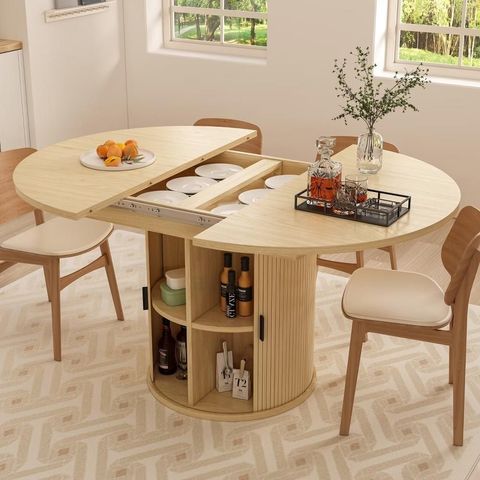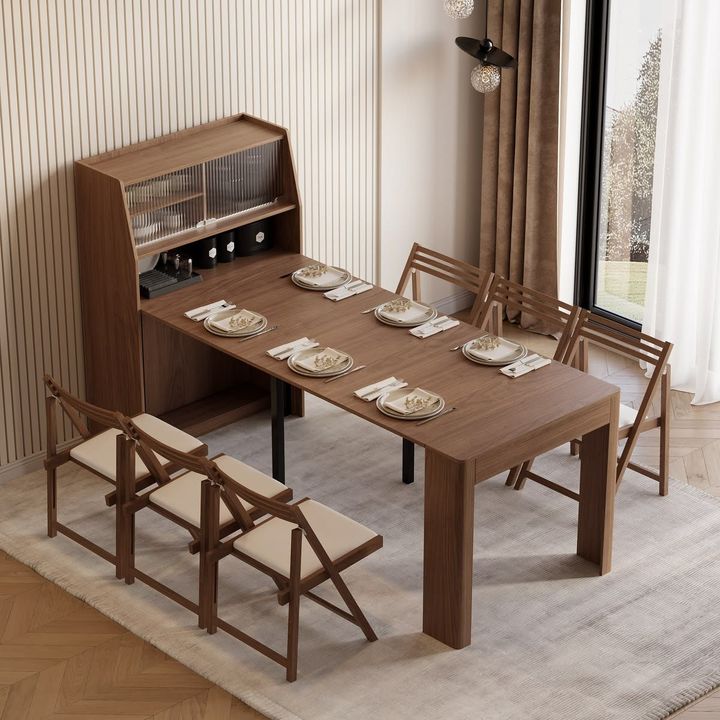
Understanding Space Optimization Through Versatile Furniture Designs
As homes, apartments, and workspaces continue to evolve, making the most of available space has become a practical goal for many people. Whether living in a compact apartment, furnishing a growing family home, or organizing a flexible office, furniture plays an important role in creating functional and comfortable spaces. Versatile furniture designs are created to serve multiple purposes while making efficient use of available room. Instead of filling a space with several separate pieces, multifunctional furniture combines storage, seating, sleeping, working, or dining features into fewer items. This approach can help improve organization, reduce clutter, and create rooms that adapt to changing daily needs.
What Is Space Optimization in Furniture?
Space optimization refers to arranging and selecting furniture that maximizes the functionality of a room without making it feel crowded.
Rather than simply fitting more items into a space, optimized furniture focuses on:
- Making rooms feel larger
- Reducing unnecessary clutter
- Increasing storage capacity
- Supporting multiple daily activities
- Improving comfort and movement
- Allowing rooms to serve different purposes
Modern versatile furniture achieves these goals through smart engineering, modular construction, hidden storage, and flexible layouts.
Benefits of Versatile Furniture Designs
Choosing multifunctional furniture offers several practical advantages.
Better Use of Limited Space
One of the biggest benefits is maximizing available floor area. Foldable, stackable, and convertible furniture allows smaller rooms to perform multiple functions without becoming overcrowded.
Increased Storage
Many modern furniture designs include hidden storage compartments inside beds, ottomans, benches, coffee tables, and sofas, helping reduce visible clutter.
Flexible Room Layouts
Rooms can quickly change from:
- Bedroom to workspace
- Living room to guest room
- Dining area to study space
- Home office to entertainment area
This flexibility is especially useful in apartments and multipurpose homes.
Improved Organization
Integrated shelves, drawers, cabinets, and compartments make it easier to keep everyday items organized and accessible.
Long-Term Practicality
Furniture that serves multiple purposes may continue meeting changing household needs over several years without requiring frequent replacements.
Suitable for Different Lifestyles
Versatile furniture benefits:
- Students
- Young professionals
- Families
- Remote workers
- Seniors
- Frequent movers
- Small business owners
Limitations to Consider
Although multifunctional furniture offers many advantages, it may not suit every situation.
| Limitation | Explanation |
|---|---|
| Complex mechanisms | Folding or transforming furniture may require regular maintenance. |
| Weight | Multifunctional furniture can be heavier than standard pieces. |
| Learning curve | Some designs require users to understand folding or locking systems. |
| Space during conversion | Fold-out furniture may need additional clearance when opened. |
| Style limitations | Certain highly functional designs may offer fewer customization options. |
| Repair considerations | Integrated mechanisms may require specialized replacement parts. |
Understanding these limitations helps buyers choose products that match their daily routines.
Common Types of Versatile Furniture
Sofa Beds
These function as comfortable seating during the day and convert into sleeping spaces for guests.
Best suited for:
- Studio apartments
- Guest rooms
- Vacation homes
Storage Beds
Storage beds include drawers or lift-up compartments beneath the mattress.
Ideal for storing:
- Seasonal clothing
- Blankets
- Bedding
- Luggage
Foldable Dining Tables
Expandable or folding tables provide additional dining space only when needed.
Suitable for:
- Apartments
- Small kitchens
- Flexible dining areas
Nesting Tables
These consist of multiple tables stored beneath one another.
Benefits include:
- Space-saving
- Easy movement
- Flexible surface area
Modular Sofas
Individual seating sections can be rearranged into different configurations depending on room size or seating requirements.
Wall Beds (Murphy Beds)
Wall beds fold vertically into cabinets, allowing rooms to function as offices or living areas during the day.
Convertible Coffee Tables
Some coffee tables transform into dining tables or workstations through adjustable lifting mechanisms.
Storage Ottomans
These combine seating, footrests, and concealed storage.
They work well in:
- Living rooms
- Bedrooms
- Entryways
Modular Shelving Systems
Adjustable shelves can expand or change layouts as storage needs evolve.
Stackable Furniture
Stackable chairs and stools save storage space while remaining available for guests or events.
Comparison of Popular Furniture Types
| Furniture Type | Main Function | Additional Function | Best For |
| Sofa Bed | Seating | Sleeping | Guest rooms |
| Storage Bed | Sleeping | Storage | Bedrooms |
| Foldable Table | Dining | Compact storage | Apartments |
| Murphy Bed | Sleeping | Wall storage | Studio homes |
| Modular Sofa | Seating | Flexible layouts | Family rooms |
| Storage Ottoman | Seating | Hidden storage | Living rooms |
| Convertible Desk | Working | Folding storage | Home offices |
| Nesting Tables | Surface space | Compact storage | Small living rooms |
Latest Trends in Versatile Furniture Design
Furniture manufacturers continue introducing innovative solutions that improve convenience and functionality.
Modular Living Systems
Homeowners increasingly prefer furniture that can expand or shrink as household needs change.
Sustainable Materials
Many manufacturers now use:
- Recycled wood
- Engineered wood
- Bamboo
- Recycled metals
- Eco-friendly fabrics
These materials support environmentally conscious design without sacrificing durability.
Smart Furniture
Technology is becoming more common in modern furniture.
Examples include:
- Wireless charging surfaces
- Built-in USB ports
- LED lighting
- Adjustable height systems
- Motorized reclining functions
Compact Home Office Furniture
With remote and hybrid work becoming more common, desks now include:
- Hidden cable management
- Fold-away work surfaces
- Integrated storage
- Adjustable shelves
Customizable Modular Storage
Consumers increasingly prefer storage systems that can grow with changing household needs instead of purchasing completely new furniture.
Multi-Room Functionality
Furniture is being designed to work equally well across different rooms, increasing long-term usability.
Key Features to Consider Before Buying
When comparing versatile furniture options, evaluate the following features carefully.
Build Quality
Look for durable construction using quality wood, metal frames, or reinforced engineered materials.
Ease of Transformation
Furniture should convert smoothly between functions without requiring excessive effort.
Storage Capacity
Consider whether the available storage matches your everyday organizational needs.
Weight Capacity
Check that beds, sofas, shelves, and tables can safely support expected use.
Room Dimensions
Measure:
- Floor space
- Doorways
- Hallways
- Ceiling height
This helps prevent installation problems.
Material Quality
Popular materials include:
- Solid wood
- Engineered wood
- Metal
- Tempered glass
- Upholstered fabric
- Leather alternatives
Each offers different maintenance requirements and durability.
Maintenance Requirements
Some finishes resist stains and scratches better than others, making cleaning easier.
Warranty Coverage
Review warranty details covering structural components and moving mechanisms before making a purchase decision.
Well-Known Furniture Companies Offering Versatile Solutions
Many established furniture manufacturers provide multifunctional furniture collections for homes and offices.
Some widely recognized companies include:
- IKEA
- Ashley Furniture
- Herman Miller
- Steelcase
- West Elm
- Pottery Barn
- Wayfair
- Urban Ladder
- Pepperfry
- Godrej Interio
- Nilkamal
Each company offers different design styles, materials, storage options, and modular systems suitable for various room sizes and budgets. Buyers should compare product specifications, available configurations, warranty terms, and customer reviews before making a final decision.
How to Choose the Right Versatile Furniture
Buying furniture becomes easier by following a structured approach.
Step 1: Identify Your Primary Need
Ask yourself:
- Do you need more storage?
- More seating?
- Guest sleeping space?
- A home office?
- Better organization?
Step 2: Measure Your Room
Accurate measurements help prevent overcrowding and ensure furniture fits comfortably.
Step 3: Consider Daily Use
Furniture used every day should prioritize durability and ease of operation.
Step 4: Think About Future Needs
Choose furniture that remains useful as your lifestyle changes.
Step 5: Compare Materials
Different materials offer varying levels of durability, maintenance, appearance, and longevity.
Step 6: Evaluate Conversion Mechanisms
Test moving parts whenever possible to ensure they operate smoothly.
Step 7: Read Product Information Carefully
Review dimensions, materials, assembly requirements, warranty information, and customer feedback before making a purchase.
Buyer Checklist
Use this checklist before selecting versatile furniture.
| Checklist | Yes/No |
| Fits room dimensions | □ |
| Meets storage needs | □ |
| Easy to operate | □ |
| Durable construction | □ |
| Comfortable for daily use | □ |
| Matches existing décor | □ |
| Simple maintenance | □ |
| Includes warranty | □ |
| Quality hardware | □ |
| Supports future flexibility | □ |
Tips for Best Use and Maintenance
Proper care extends the lifespan of multifunctional furniture.
- Clean surfaces regularly using suitable cleaning products.
- Avoid placing excessive weight on moving components.
- Tighten screws and hardware periodically.
- Lubricate hinges and folding mechanisms when recommended.
- Rotate cushions to maintain even wear.
- Keep storage compartments dry and well ventilated.
- Follow manufacturer assembly instructions carefully.
- Avoid dragging heavy furniture across floors.
- Protect wood finishes from prolonged moisture exposure.
- Inspect moving parts occasionally for signs of wear.
Routine maintenance helps preserve both appearance and functionality over time.
Frequently Asked Questions
Is versatile furniture suitable for large homes?
Yes. While it is especially useful in smaller spaces, larger homes also benefit from flexible layouts, improved organization, and adaptable room functions.
How long does multifunctional furniture typically last?
Its lifespan depends on material quality, construction, frequency of use, and proper maintenance. Well-built furniture can remain functional for many years.
Is modular furniture easy to move?
Many modular designs are created in separate sections, making transportation and rearrangement easier than large one-piece furniture.
Can versatile furniture support everyday use?
Most quality products are designed for regular daily use. Buyers should verify weight limits and construction quality before purchasing.
Are storage beds safe?
Yes. When assembled correctly and used according to manufacturer instructions, storage beds are generally safe and practical.
Does multifunctional furniture require special maintenance?
Most products require only routine cleaning and occasional inspection of hinges, screws, and moving parts.
What is the biggest advantage of versatile furniture?
The greatest advantage is combining multiple functions into one piece, helping maximize available space while improving organization.
Can versatile furniture work in home offices?
Yes. Foldable desks, modular shelving, adjustable tables, and storage cabinets are popular choices for home office environments.
Conclusion
Versatile furniture designs have become an important part of modern interior planning because they help people use available space more efficiently without sacrificing comfort or functionality. Whether furnishing a compact apartment, updating a family home, or creating a productive workspace, multifunctional furniture offers practical solutions that adapt to changing lifestyles.
Before making a purchase, it is helpful to evaluate room dimensions, intended use, material quality, storage requirements, and ease of operation. Comparing different furniture types, understanding their strengths and limitations, and focusing on long-term usability can lead to more informed decisions.