UPS Systems: Complete Guide to Uninterruptible Power Supply Solutions
A reliable power supply is essential for homes, offices, hospitals, data centers, manufacturing facilities, and communication networks.
Even a brief power interruption can lead to data loss, equipment shutdown, production delays, or damage to sensitive electronic devices. This is where UPS systems play an important role.
A UPS (Uninterruptible Power Supply) is designed to provide backup power during electrical interruptions and help protect connected equipment from voltage fluctuations, power surges, and unexpected outages. From personal computers to large industrial facilities, UPS systems are widely used to maintain continuous operations and improve electrical reliability.
This guide explains how UPS systems work, their main types, applications, advantages, and important considerations for selecting the right power protection solution.
Understanding the Concept
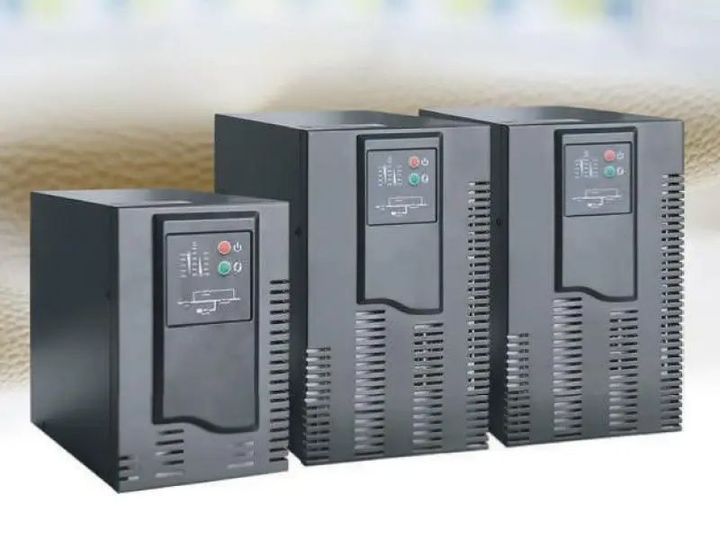
A UPS system is an electrical device that supplies temporary backup power when the primary power source fails. Unlike a generator, which requires time to start operating, a UPS provides almost immediate power from its internal battery.
Besides backup power, modern UPS systems also improve power quality by regulating voltage and protecting equipment from electrical disturbances such as spikes, surges, and frequency variations.
Many organizations use UPS battery backup systems, industrial UPS solutions, data center power protection, and enterprise power management systems to keep critical operations running without interruption.
Key Types or Categories
UPS systems are available in several configurations depending on application requirements.
Standby UPS
A standby UPS is commonly used for personal computers, home offices, and small electronic devices.
Features include:
- Compact design
- Battery backup during outages
- Basic surge protection
- Suitable for light workloads
Line-Interactive UPS
Line-interactive UPS systems provide additional voltage regulation along with battery backup.
Common applications include:
- Small businesses
- Network equipment
- Security systems
- Office workstations
These systems help stabilize voltage without switching to battery during minor fluctuations.
Online Double-Conversion UPS
An online UPS continuously supplies clean power by converting incoming AC power to DC and back to AC.
Advantages include:
- Continuous power conditioning
- Excellent voltage stability
- Fast response
- High reliability
These systems are widely used in hospitals, financial institutions, industrial facilities, and data centers.
Modular UPS Systems
Modular UPS solutions consist of expandable power modules.
Benefits include:
- Easy capacity expansion
- Simplified maintenance
- Improved redundancy
- Flexible installation
They are commonly installed in enterprise environments where future growth is expected.
Important Subsections
Battery System
The battery stores electrical energy used during power interruptions.
Common battery technologies include:
- Valve-regulated lead-acid batteries
- Lithium-ion batteries
- Nickel-based batteries
Each technology offers different performance characteristics and operating life.
Inverter
The inverter converts stored DC battery power into AC electricity suitable for connected equipment.
It plays a vital role in delivering uninterrupted power during outages.
Rectifier
The rectifier converts incoming AC power into DC power.
This process charges the battery while supplying power to the UPS system.
Automatic Voltage Regulation
Automatic Voltage Regulation (AVR) stabilizes incoming voltage.
It helps protect sensitive electronics from under-voltage and over-voltage conditions without using battery power unnecessarily.
Monitoring Systems
Modern UPS equipment often includes intelligent monitoring features that display:
- Battery condition
- Load percentage
- Input voltage
- Output voltage
- Runtime estimates
- System alerts
These functions improve maintenance planning.
How It Works
UPS systems operate through a straightforward process.
Step 1: Receive Utility Power
The UPS receives electricity from the main electrical supply.
During normal operation, connected devices receive stable power while the battery remains charged.
Step 2: Monitor Electrical Quality
The UPS continuously monitors incoming power for:
- Voltage changes
- Frequency variations
- Power failures
- Electrical surges
Monitoring occurs continuously.
Step 3: Detect Power Interruption
If utility power becomes unstable or completely unavailable, the UPS immediately detects the interruption.
The transition occurs within milliseconds.
Step 4: Supply Battery Power
The inverter converts battery energy into usable AC electricity.
Connected equipment continues operating without noticeable interruption.
Step 5: Resume Normal Operation
When utility power returns to normal, the UPS automatically reconnects to the main supply and begins recharging the battery.
This process requires no manual intervention.
Benefits and Advantages
UPS systems provide numerous practical advantages.
Continuous Power Supply
Backup power prevents sudden shutdowns during electrical interruptions.
Equipment Protection
UPS systems protect sensitive electronic equipment from:
- Voltage spikes
- Power surges
- Brownouts
- Electrical noise
- Frequency instability
Data Protection
Computers and servers remain operational long enough to save important files and perform safe shutdown procedures.
Improved Business Continuity
Organizations reduce downtime during unexpected electrical disruptions.
This improves operational reliability.
Enhanced Equipment Life
Stable electrical power reduces stress on electronic components, helping equipment operate more efficiently over time.
Reliable Network Operations
UPS systems protect:
- Network switches
- Routers
- Communication equipment
- Security systems
- Storage devices
Continuous connectivity supports business productivity.
Real-World Examples or Applications
UPS systems are used across many industries.
Data Centers
Data centers depend on high-capacity UPS systems to protect servers and networking equipment from power interruptions.
Hospitals
Medical facilities use UPS systems for:
- Diagnostic equipment
- Patient monitoring systems
- Imaging devices
- Laboratory equipment
Reliable power supports continuous healthcare operations.
Manufacturing Facilities
Industrial UPS systems protect:
- Production equipment
- Automation systems
- Control panels
- Industrial computers
Power stability helps reduce production interruptions.
Financial Institutions
Banks use UPS systems to maintain:
- Transaction processing
- Communication networks
- Security equipment
- Customer information systems
Continuous availability is essential.
Educational Institutions
Schools and universities use UPS systems for:
- Computer laboratories
- Learning platforms
- Administrative systems
- Research equipment
Reliable power supports uninterrupted educational activities.
Important Factors to Understand
Several considerations influence UPS selection.
Power Capacity
The UPS should provide sufficient capacity for all connected equipment while allowing room for future expansion.
Runtime Requirements
Different applications require different backup durations.
Some environments require only enough time for safe shutdown, while others require longer operation.
Battery Maintenance
Regular battery inspection helps maintain dependable performance.
Proper environmental conditions also extend battery life.
Installation Environment
UPS systems should be installed in clean, dry, and well-ventilated areas with adequate airflow.
Scalability
Organizations expecting future growth often select modular UPS systems that allow additional power capacity when needed.
Future Trends and Industry Insights
UPS technology continues evolving alongside advances in power management.
Lithium-Ion Battery Adoption
Lithium-ion batteries are becoming increasingly popular because of their:
- Longer lifespan
- Faster charging
- Reduced maintenance
- Higher energy density
Smart UPS Monitoring
Cloud-connected monitoring platforms provide:
- Remote diagnostics
- Predictive maintenance
- Real-time alerts
- Performance analytics
These capabilities improve operational efficiency.
Artificial Intelligence
Artificial intelligence is helping analyze battery performance and predict maintenance requirements before failures occur.
Energy-Efficient UPS Design
Manufacturers continue improving energy efficiency through advanced power electronics and intelligent power management technologies.
Renewable Energy Integration
Many organizations integrate UPS systems with solar energy and battery energy storage systems to improve power resilience and sustainability.
Conclusion
UPS systems are an essential component of modern power protection strategies. They provide immediate backup power, stabilize electrical supply, and protect valuable equipment from power interruptions and voltage fluctuations. From homes and offices to hospitals, manufacturing facilities, and enterprise data centers, UPS systems help maintain reliable operations and reduce the impact of unexpected outages.
Understanding the different UPS types, battery technologies, monitoring features, and installation considerations allows organizations and individuals to select solutions that match their operational needs. As battery technology, intelligent monitoring, and energy management continue advancing, UPS systems will remain a key part of dependable electrical infrastructure.