Factory Management System Complete Guide to Modern Manufacturing Management
Manufacturing facilities today operate in highly competitive environments where efficiency, quality control, production visibility, and resource optimization are essential for success.
A Factory Management System helps manufacturers coordinate production activities, monitor operations, manage inventory, track performance, and support informed decision-making across the entire production process.
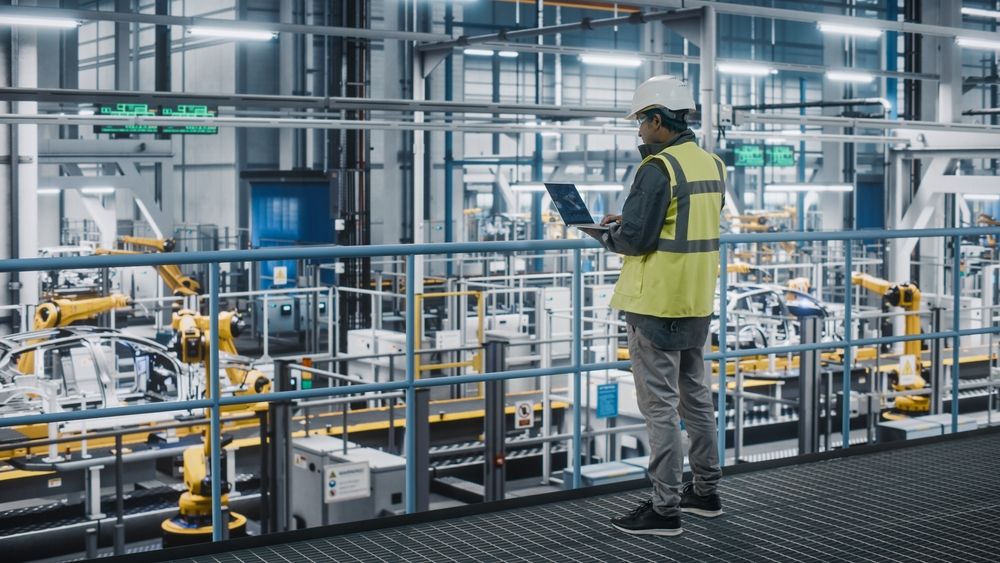
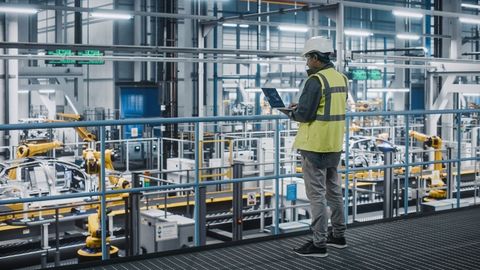
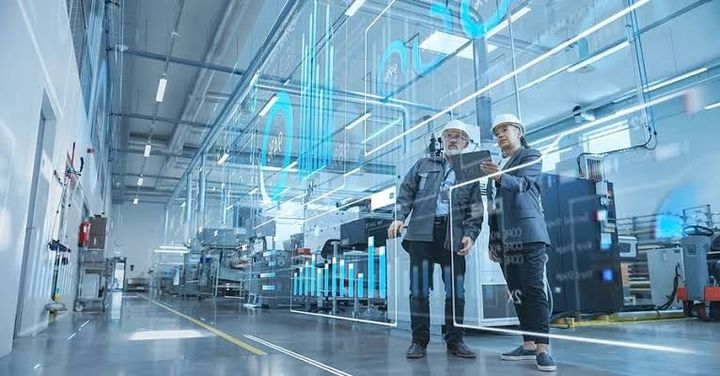
Modern factory management systems combine automation, data analytics, cloud computing, Industrial Internet of Things (IIoT) technology, and real-time monitoring tools to create more connected and efficient manufacturing environments. Understanding how these systems work can help organizations improve productivity, streamline workflows, and enhance operational performance.
Note: Features, deployment methods, integration capabilities, regulatory requirements, and software functionality vary by provider, industry, and manufacturing environment. This article is intended for general educational purposes only.
What Is a Factory Management System?
A Factory Management System is a software-based platform that helps manufacturers plan, monitor, control, and optimize factory operations. These systems provide centralized visibility into production activities and support coordination between departments such as production, inventory, procurement, maintenance, quality assurance, and logistics.
A factory management system may support:
Production planning
Inventory management
Quality control
Maintenance scheduling
Workforce management
Supply chain coordination
Performance reporting
Operational analytics
The specific capabilities depend on the organization's needs and software configuration.
Why Factory Management Systems Matter
Manufacturing operations involve numerous interconnected processes that require coordination and oversight.
Potential benefits include:
Improved production visibility
Better workflow management
Enhanced inventory control
Increased operational efficiency
Improved quality monitoring
Better resource utilization
Faster decision-making
Improved production planning
Actual results depend on implementation quality, employee adoption, and operational practices.
Core Functions of a Factory Management System
Modern manufacturing platforms support multiple operational areas.
Production Planning
Helps schedule manufacturing activities, allocate resources, and coordinate production timelines.
Inventory Management
Tracks raw materials, work-in-progress inventory, and finished goods throughout the production cycle.
Quality Control
Supports inspection processes, quality documentation, and compliance monitoring.
Maintenance Management
Schedules preventive maintenance and tracks equipment performance to minimize downtime.
Workforce Management
Assists with labor planning, attendance monitoring, and productivity tracking.
Reporting and Analytics
Provides dashboards and reports that help managers evaluate operational performance.
How Factory Management Systems Improve Manufacturing
Integrated systems help create a more connected production environment.
Real-Time Monitoring
Managers can monitor production activities and equipment status as operations occur.
Data-Driven Decisions
Analytics provide insights that support operational improvements and strategic planning.
Process Standardization
Standardized workflows help improve consistency across production operations.
Resource Optimization
Manufacturers can better manage labor, machinery, materials, and production schedules.
Improved Communication
Departments can access shared information through a centralized platform.
Industries Using Factory Management Systems
These systems are widely used across various manufacturing sectors.
Examples include:
Automotive manufacturing
Electronics production
Food and beverage processing
Pharmaceutical manufacturing
Chemical production
Textile manufacturing
Metal fabrication
Consumer goods production
Each industry may require specialized workflows and compliance capabilities.
Factory Management System Overview
| Feature | Primary Benefit |
|---|---|
| Production Planning | Improves scheduling efficiency |
| Inventory Management | Enhances stock visibility |
| Quality Control | Supports product consistency |
| Maintenance Management | Reduces equipment downtime |
| Workforce Tracking | Improves labor management |
| Analytics Dashboard | Supports informed decision-making |
Best Practices for Implementation
Successful deployment requires careful planning and continuous improvement.
Helpful recommendations include:
Define clear operational objectives.
Standardize manufacturing processes.
Train employees thoroughly.
Integrate systems across departments.
Maintain accurate operational data.
Monitor performance regularly.
Review production metrics consistently.
Continuously optimize workflows.
A structured implementation strategy can improve long-term system effectiveness.
Current Trends in Factory Management
Manufacturing technology continues to evolve rapidly.
Recent developments include:
Artificial intelligence-assisted production planning
Industrial Internet of Things (IIoT) integration
Predictive maintenance systems
Cloud-based manufacturing platforms
Digital twin technology
Advanced robotics and automation
Real-time production analytics
Smart factory initiatives
These innovations help manufacturers improve efficiency, flexibility, and operational visibility.
Looking Ahead
The future of the Factory Management System is expected to include deeper AI integration, autonomous production optimization, expanded use of connected devices, and greater adoption of smart manufacturing technologies. As Industry 4.0 continues to reshape manufacturing, factory management systems will play a central role in creating data-driven and highly efficient production environments.
Why Understanding Factory Management Systems Matters
Understanding a Factory Management System helps manufacturers evaluate technologies that improve production efficiency, inventory control, equipment utilization, and operational transparency. Effective implementation can support productivity improvements while helping organizations respond to changing market demands.
Conclusion
A Factory Management System is an essential tool for modern manufacturing organizations seeking greater control over production processes, resources, and operational performance. By combining production planning, inventory management, quality control, maintenance tracking, and advanced analytics, these systems help create more efficient and connected manufacturing operations. As digital transformation continues to advance, factory management systems will remain a key component of successful and competitive manufacturing environments.