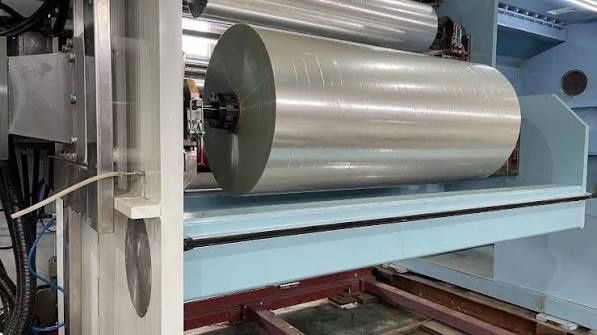
Vacuum Metallizing Equipment Explained: How Thin Metal Coatings Are Applied
Vacuum metallizing equipment is used to deposit a thin metallic layer onto the surface of materials such as plastic film, paper, glass, and molded components. The process takes place inside a controlled vacuum chamber, where metal is converted into a vapor and deposited onto a prepared surface.
Vacuum metallization is different from conventional painting or liquid coating because the metal layer is created in a low-pressure environment. Aluminum is commonly used because it can form a reflective and functional layer when deposited under suitable conditions.
The process is used in packaging, decorative components, electronics, automotive parts, lighting materials, and other industrial applications. Depending on the substrate and final purpose, the deposited metal layer can provide reflective, decorative, barrier, or electromagnetic properties.
How the Process Works
A typical vacuum metallization process involves several stages. The substrate is first cleaned and prepared before being placed into a vacuum chamber. Air and other gases are removed to create the required low-pressure environment.
The metal source is then heated or otherwise energized until metal atoms or vapor are released. These particles travel through the vacuum and condense on the substrate surface, forming a thin and relatively uniform metallic coating.
After deposition, additional layers may be applied to protect the metal or modify its appearance and performance. For example, a transparent protective coating can help reduce exposure to moisture, abrasion, or chemical interaction.
Main Components
Industrial vacuum coating equipment can contain several interconnected systems. Their configuration varies according to substrate type, coating material, chamber dimensions, and production requirements.
Common components include:
- Vacuum chamber for maintaining controlled low pressure
- Vacuum pumps for removing gases from the chamber
- Metal evaporation or sputtering equipment
- Substrate handling and winding systems
- Heating and cooling components
- Process monitoring sensors
- Power supplies and control systems
- Protective or top-coating units where required
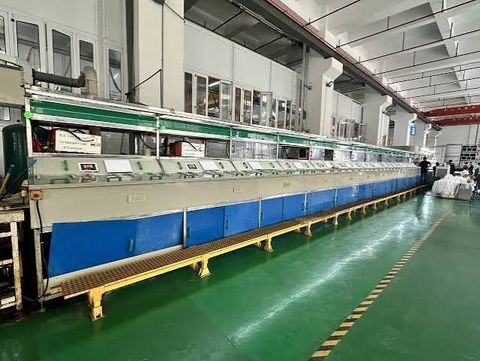
A vacuum metalizing production line may integrate these components into a continuous process, particularly when flexible films or other roll-based substrates are being processed.
Importance
Why Vacuum Metallization Is Used
Vacuum metallization allows manufacturers to apply a very thin metal layer without using a thick metal component. This can change the surface characteristics of a material while retaining much of the original substrate's flexibility or shape.
For example, metallized plastic films can provide a reflective appearance while remaining lightweight. Metallized packaging materials can also combine a polymer substrate with a metallic layer to create particular visual or barrier characteristics.
The technology is relevant to industries working with:
- Flexible packaging
- Decorative plastics
- Automotive components
- Lighting reflectors
- Electronics
- Labels and specialty films
- Glass and architectural components
Technical Factors That Affect Results
The quality of a vacuum coating depends on several variables. Surface cleanliness is important because contamination can interfere with adhesion or produce irregularities. Vacuum pressure, deposition rate, substrate speed, metal-source temperature, and coating thickness also influence the finished surface.
For flexible materials, web tension and substrate movement must be controlled carefully. Uneven movement can contribute to variations in the deposited layer.
| Process factor | General purpose |
|---|---|
| Vacuum pressure | Creates the environment required for deposition |
| Deposition rate | Controls how quickly material reaches the substrate |
| Substrate speed | Influences exposure and coating thickness |
| Surface preparation | Supports consistent layer formation |
| Metal-source temperature | Controls metal evaporation in thermal processes |
| Cooling | Helps manage substrate temperature |
| Web tension | Supports stable movement of flexible materials |
These variables are normally monitored through sensors and control systems integrated into the equipment.
Types of Vacuum Coating
Vacuum coating machines can use different deposition methods. Thermal evaporation is widely associated with vacuum metallization and involves heating a metal source until material enters the vapor phase.
Sputtering is another vacuum deposition technique. Instead of directly evaporating the coating material through heating, energetic particles interact with a target material and cause atoms to be released from its surface.
The appropriate method depends on the substrate, coating material, required thickness, surface characteristics, and intended application.
Recent Updates
Greater Automation
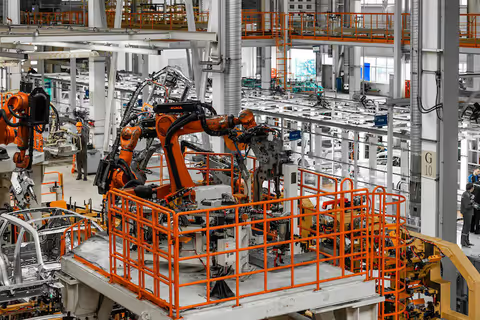
From 2024 through 2026, vacuum metallization technology has continued moving toward increased automation and digital process monitoring. Automated vacuum coating systems can integrate sensors, programmable controls, vacuum monitoring, and production data collection.
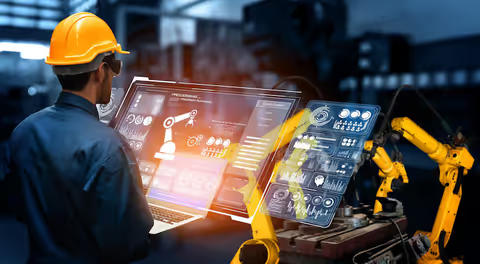
Automation can help coordinate several process variables simultaneously. Operators can monitor pressure, temperature, deposition conditions, web movement, and other parameters through centralized interfaces.
Automated vacuum metallization production lines are particularly relevant to continuous manufacturing because they can connect substrate handling, coating, inspection, and winding processes.
Process Monitoring
Modern vacuum metallizing machines increasingly incorporate monitoring technologies that provide information about coating conditions during production. Sensors can track vacuum pressure and other operating parameters, while inspection systems can be used to identify certain visible surface variations.
Digital records can also help production teams compare process conditions between manufacturing runs. However, monitoring equipment does not replace appropriate material testing and quality-control procedures.
Material Efficiency
Material efficiency is another area of attention. Because vacuum metallization can produce a very thin metallic layer, manufacturers can modify surface characteristics without using large quantities of metal.
Research and development activities across coating technologies also include alternative substrate materials, improved deposition control, and multilayer structures. The specific environmental profile of a metallized material depends on the complete material combination, production method, use, and disposal pathway.
Integration With Production Lines
Vacuum metallizing equipment manufacturers increasingly design systems that can be integrated with upstream and downstream production processes. Automated handling can reduce the need for repeated manual movement of substrates between stages.
For roll-to-roll manufacturing, integrated systems may include unwinding, surface preparation, vacuum deposition, protective coating, inspection, and rewinding within one production sequence.
Laws or Policies
Indian Regulatory Framework
In India, facilities operating vacuum coating equipment may need to comply with requirements related to industrial safety, electrical systems, environmental management, waste handling, and workplace conditions. The exact requirements depend on the industry, facility location, materials used, and scale of operation.
Environmental permissions and pollution-control requirements may fall under applicable central, state, or local authorities. Facilities should verify the rules that apply to their particular manufacturing activity.
Workplace Safety
Vacuum metallization involves high temperatures, electrical systems, mechanical movement, vacuum chambers, and, in some configurations, process gases. Equipment therefore needs appropriate guarding, interlocks, emergency controls, ventilation, and operating procedures.
Workers should receive training relevant to the equipment and materials they handle. Maintenance procedures should account for stored electrical energy, heated components, vacuum conditions, and moving machinery.
Product and Packaging Requirements
When metallized materials are used in food packaging or other regulated applications, additional requirements can apply to the substrate, coating materials, adhesives, inks, and intended contact conditions.
Packaging manufacturers should check the applicable Indian requirements and, where materials are exported, the regulations of the destination market. Technical compliance depends on the complete finished structure rather than the metallic layer alone.
Tools and Resources
Technical Documentation
Equipment manuals and material datasheets are important resources for understanding vacuum coating processes. Metal-source specifications can provide information about the material's physical characteristics and processing requirements.
Substrate manufacturers may also provide information about surface energy, thermal limits, thickness, and compatibility with coating processes.
Process Monitoring Resources
Manufacturing teams may use digital monitoring systems, vacuum gauges, thickness measurement equipment, temperature sensors, and web-tension monitoring devices.
Useful resources can include:
- Vacuum-pressure monitoring instruments
- Coating-thickness measurement systems
- Substrate tension calculators
- Preventive maintenance schedules
- Equipment operation manuals
- Material safety documentation
- Production quality-control records
- Applicable machinery and workplace-safety standards
Equipment Evaluation
When comparing vacuum metallizing equipment, technical specifications should be considered in relation to the intended process. Important factors include chamber dimensions, substrate format, vacuum-pump configuration, coating method, metal-source arrangement, line speed, substrate compatibility, automation level, and inspection capability.
OEM vacuum coating equipment manufacturers may configure systems for particular substrates and production layouts. A technical evaluation should therefore consider the complete production sequence rather than one machine specification.
FAQs
What is vacuum metallizing equipment?
Vacuum metallizing equipment is machinery used to deposit a thin metallic layer onto a substrate inside a controlled low-pressure chamber. The process commonly uses aluminum or another suitable metal.
How do vacuum metallizing machines work?
The substrate is placed or transported through a vacuum chamber while the selected metal is converted into vapor or released through another deposition method. The metal then forms a thin layer on the substrate surface.
What materials can be processed using industrial vacuum coating equipment?
Depending on the equipment configuration, substrates may include plastic films, paper, glass, metals, and molded plastic components. Compatibility depends on substrate properties and the selected deposition process.
What is a vacuum metalizing production line?
A vacuum metalizing production line combines several stages of the metallization process, such as substrate handling, vacuum generation, metal deposition, cooling, inspection, and winding. Continuous lines are commonly used for roll-based materials.
What is the difference between vacuum metallization and other vacuum coating methods?
Vacuum metallization commonly refers to depositing a metal layer, often through evaporation. Vacuum coating is a broader term that can include metallization, sputtering, and other deposition processes used to modify a material's surface.
Conclusion
Vacuum metallizing equipment enables thin metallic layers to be deposited onto a range of substrates within a controlled vacuum environment. The technology is used across packaging, decorative, automotive, electronics, lighting, and industrial applications. Recent developments have focused on automation, digital monitoring, process integration, and material efficiency. Equipment configuration and regulatory requirements depend on the substrate, coating method, production environment, and intended application.