Vegan Nutrition: A Complete Guide to Plant-Based Health and Wellness
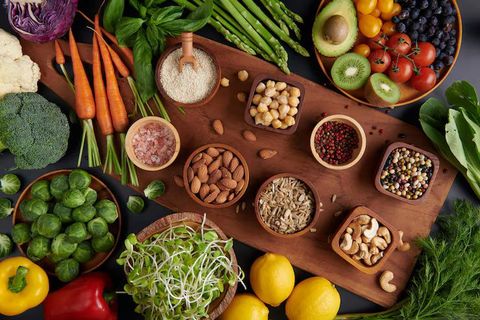
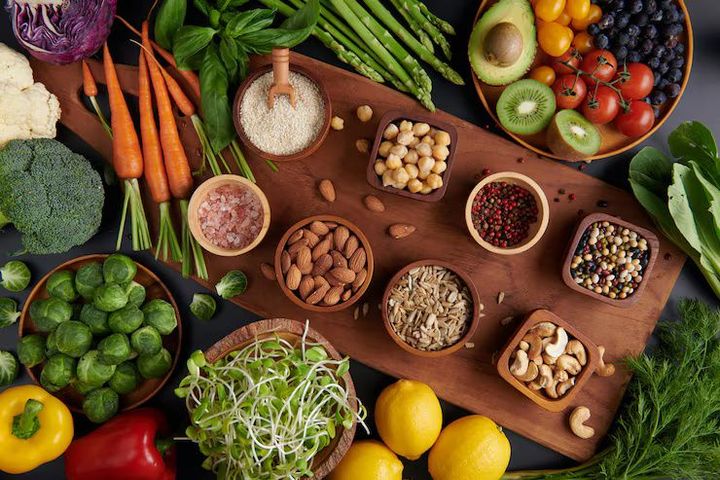
Vegan nutrition refers to dietary patterns based entirely on plant-derived foods. People following a vegan lifestyle avoid meat, fish, dairy products, eggs, and other ingredients obtained from animals. Instead, meals emphasize vegetables, fruits, legumes, grains, nuts, seeds, and plant-based alternatives.
Plant-focused eating traditions have existed for centuries across different cultures and regions. Modern vegan nutrition combines these traditions with scientific understanding of human dietary requirements and nutrient balance.
Interest in vegan nutrition has grown because of health awareness, environmental considerations, ethical values, and personal lifestyle choices. Regardless of motivation, nutritional planning remains important to ensure that essential nutrients are obtained from varied food sources.
Understanding vegan nutrition helps individuals make informed decisions about meal planning, dietary diversity, and long-term wellness.
What Defines a Vegan Diet?
A vegan diet includes foods such as:
- Fruits and vegetables.
- Whole grains.
- Beans, lentils, and peas.
- Nuts and seeds.
- Plant-based beverages.
- Tofu, tempeh, and other soy products.
The focus is on obtaining nutrients through a wide range of plant foods rather than relying heavily on a limited number of ingredients.
Essential Nutrients in Vegan Nutrition
Several nutrients deserve particular attention in plant-based diets:
| Nutrient | Common Plant Sources |
|---|---|
| Protein | Lentils, beans, tofu, nuts |
| Iron | Spinach, chickpeas, seeds |
| Calcium | Fortified plant beverages, leafy greens |
| Vitamin B12 | Fortified foods and supplements |
| Omega-3 fats | Flaxseeds, chia seeds, walnuts |
| Zinc | Whole grains, legumes, pumpkin seeds |
Balanced meal planning supports adequate intake of these nutrients.
Historical Perspectives
Many traditional cuisines include plant-centered eating patterns. Mediterranean, Indian, East Asian, and African food traditions contain dishes rich in legumes, grains, vegetables, and herbs.
Modern vegan nutrition builds upon these cultural foundations while incorporating current nutritional research.
Importance
Supporting Dietary Diversity
One important aspect of vegan nutrition is encouraging variety. Consuming different plant foods helps provide vitamins, minerals, fiber, and beneficial compounds found naturally in whole foods.
Dietary diversity also contributes to enjoyable and sustainable eating habits.
Public Health Awareness
Nutrition education increasingly recognizes plant-based eating patterns as one possible approach to healthy living when appropriately planned. Healthcare professionals often emphasize nutrient balance rather than focusing solely on food exclusions.
Educational discussions help individuals understand both opportunities and considerations within vegan nutrition.
Environmental Considerations
Many people connect vegan nutrition with environmental awareness. Agricultural practices, land use, and resource management have become important topics in public discussions about food systems.
These broader conversations influence dietary choices around the world.
Family and Community Impacts
Families adopting plant-based eating patterns may need to consider nutritional needs across different age groups. Children, adolescents, older adults, and pregnant individuals often have distinct dietary requirements.
Professional guidance can support balanced meal planning for diverse household needs.
Addressing Common Misconceptions
Several misconceptions exist regarding vegan nutrition. One common belief is that plant-based diets cannot provide sufficient protein. In reality, many plant foods contain protein, and varied eating patterns help support nutritional adequacy.
Understanding evidence-based information reduces confusion and promotes informed choices.
Recent Updates
Growth in Plant-Based Research
From 2024 to 2026, scientific research continued examining relationships between plant-based eating patterns and long-term health outcomes. Researchers explored nutrition quality, food diversity, and sustainable dietary models.
The emphasis increasingly shifted toward overall dietary patterns rather than individual foods alone.
Improved Food Labeling Practices
Food manufacturers and regulatory bodies have expanded efforts to improve transparency regarding ingredients and nutritional content. Clearer labeling helps consumers identify plant-based products and understand nutrient composition.
This trend supports informed dietary planning.
Advances in Fortified Foods
Fortification remains an important topic within vegan nutrition, particularly regarding nutrients such as vitamin B12, vitamin D, and calcium. Developments in food technology have increased the availability of fortified plant-based options.
These products complement whole-food dietary patterns rather than replacing them entirely.
Digital Nutrition Tracking
Nutrition applications and digital tools have become increasingly common. Many platforms allow users to monitor nutrient intake, meal diversity, and dietary habits.
Technology provides additional support for individuals seeking greater awareness of their nutritional patterns.
Sustainability Discussions
Recent years have seen stronger connections between nutrition science and sustainability research. Educational institutions, public health agencies, and researchers continue exploring how dietary choices influence environmental systems.
These discussions remain active across many countries.
Laws or Policies
Food Labeling Regulations
Many nations maintain regulations governing food labels, ingredient lists, and nutritional information. Products marketed as vegan often follow standards regarding animal-derived ingredients.
Requirements vary according to local laws and regulatory authorities.
Nutritional Guidelines
National dietary guidelines increasingly acknowledge plant-based eating patterns as one possible framework for healthy nutrition. Recommendations generally emphasize variety, balance, and nutrient adequacy.
Guidelines differ among countries based on cultural and public health priorities.
School and Institutional Meal Policies
Educational institutions and public organizations in some regions include plant-based meal options within broader nutrition programs. These policies aim to accommodate diverse dietary preferences and requirements.
Implementation approaches vary widely.
Consumer Protection Standards
Food safety agencies monitor labeling accuracy and ingredient disclosures. These measures help consumers make informed dietary choices based on reliable information.
Regulatory oversight contributes to transparency within food systems.
Research and Public Health Programs
Government-supported nutrition research often investigates dietary patterns, sustainability, and chronic disease prevention. Findings contribute to educational materials and future policy development.
Tools and Resources
Various tools help individuals understand and manage vegan nutrition effectively.
Nutrient Tracking Applications
Digital applications allow users to monitor protein, vitamins, minerals, and overall dietary balance. Long-term tracking may help identify patterns and nutritional gaps.
Meal Planning Templates
Structured meal planners encourage variety across food groups, including legumes, grains, vegetables, fruits, nuts, and seeds.
Sample categories often include:
- Breakfast ideas.
- Protein-rich meals.
- Snack planning.
- Weekly grocery organization.
- Seasonal produce selections.
Government Nutrition Websites
Public health organizations publish evidence-based resources related to dietary guidelines, nutrient recommendations, and healthy eating practices.
These materials support informed nutritional decisions.
Educational Books and Guides
Nutrition texts and educational manuals explain plant-based dietary concepts, meal composition, and nutrient considerations in accessible language.
Resource Summary
| Resource Type | Main Purpose |
|---|---|
| Nutrition tracking apps | Monitoring nutrient intake |
| Meal planning templates | Organizing weekly meals |
| Public health websites | Educational guidance |
| Nutrition handbooks | Understanding dietary principles |
| Food databases | Reviewing nutrient information |
FAQs
What is vegan nutrition?
Vegan nutrition refers to dietary patterns based entirely on plant-derived foods while excluding meat, dairy, eggs, and other animal-based ingredients.
Can vegan nutrition provide enough protein?
Yes, protein can come from foods such as beans, lentils, tofu, nuts, seeds, and whole grains. Variety across plant sources supports balanced nutrition.
Which nutrients deserve attention in a vegan diet?
Vitamin B12, iron, calcium, omega-3 fatty acids, zinc, vitamin D, and protein are commonly discussed within vegan nutrition planning.
Is vegan nutrition suitable for different age groups?
Plant-based diets can be adapted for different life stages when nutritional needs are carefully considered. Individual circumstances may require guidance from qualified nutrition professionals.
How can someone maintain variety in vegan meals?
Including different vegetables, legumes, grains, fruits, nuts, and seeds throughout the week helps create diverse and nutritionally balanced eating patterns.
Conclusion
Vegan nutrition centers on plant-based foods and thoughtful dietary planning. A varied approach helps provide essential nutrients while supporting personal health goals and cultural preferences. Ongoing research, improved labeling practices, and digital tools continue shaping public understanding of plant-focused eating patterns. Reliable information and balanced meal planning remain important aspects of long-term nutritional well-being.
Disclaimer: The information provided in this article is for informational purposes only. We do not make any claims or guarantees regarding the accuracy, reliability, or completeness of the information presented. The content is not intended as professional advice and should not be relied upon as such. Readers are encouraged to conduct their own research and consult with appropriate professionals before making any decisions based on the information provided in this article.