Water filtration refers to the process of removing impurities, particles, and contaminants from water to make it safer and more suitable for use. This practice exists because water often contains natural sediments, microorganisms, or chemical residues picked up during its journey from rivers, lakes, or underground sources to taps and storage tanks.
Filtration systems vary widely—from simple household filters to advanced municipal treatment plants—and they all serve the same purpose: providing water that meets health and safety standards. Whether used for drinking, cooking, or industrial applications, filtration ensures water quality remains consistent and reliable.
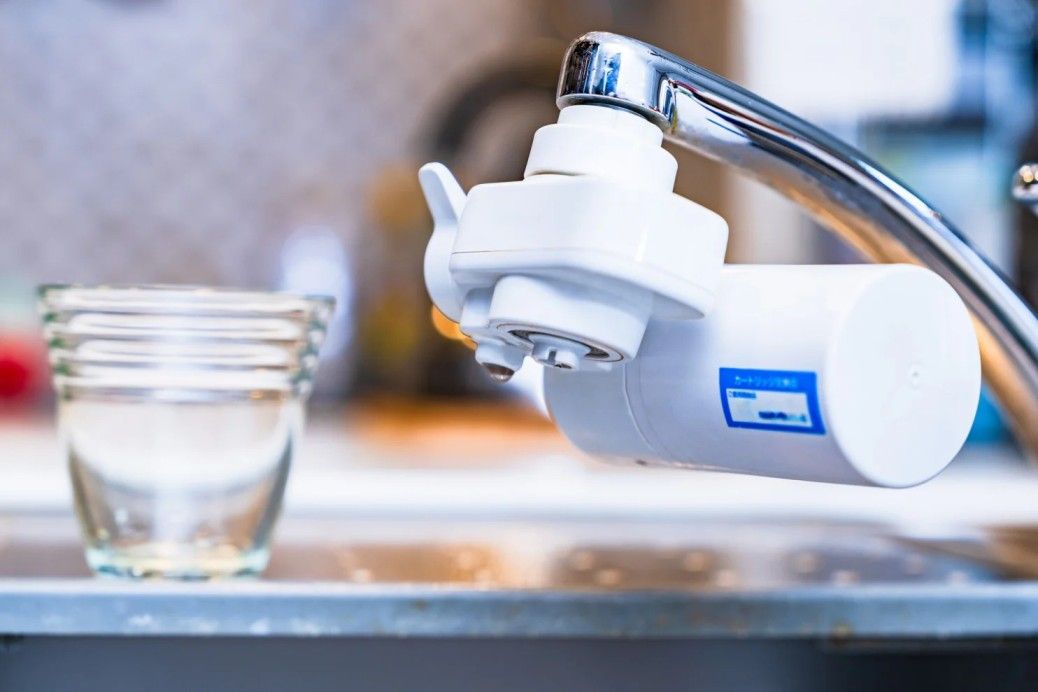
Why water filtration is important today
The importance of water filtration has grown in recent decades due to rising concerns about public health, environmental sustainability, and infrastructure reliability. Unfiltered or poorly filtered water may contain bacteria, viruses, heavy metals, pesticides, or microplastics, each of which can impact human and ecological health.
Key reasons why water filtration matters today include:
-
Health protection: Reduces risks of waterborne diseases such as cholera or dysentery.
-
Environmental safety: Prevents harmful substances from reaching rivers and oceans.
-
Household benefits: Improves taste, odor, and clarity of water used for daily needs.
-
Industrial reliability: Supports manufacturing processes that require precise water quality.
The issue affects diverse groups—from urban households and rural communities to schools, hospitals, and food production industries. For many regions, filtration is not only a matter of convenience but a critical public health safeguard.
Recent updates and emerging trends
Water filtration technology continues to evolve. Over the past year, several developments have shaped how communities and organizations manage water safety:
-
Microplastic filtration (2024–2025): New studies show that household filters can reduce microplastic particles significantly, leading to broader adoption of advanced membranes.
-
AI and smart monitoring (2025): Integration of artificial intelligence into filtration systems allows real-time monitoring of water quality, ensuring quicker responses to contamination.
-
Climate-driven changes (2024): Severe flooding events in countries like India and the United States highlighted the need for portable filtration solutions during emergencies.
-
WHO updates (March 2025): The World Health Organization emphasized stronger guidelines on arsenic and lead limits in drinking water, reinforcing the global demand for reliable filtration methods.
These changes indicate a shift from basic filtration toward more precise, data-driven, and resilient solutions.
Laws, policies, and regulations
Water filtration is closely linked to public policy and government regulation. Most countries have standards that define acceptable limits of contaminants, ensuring water supplied to households and industries meets minimum safety thresholds.
Examples include:
-
United States: The Safe Drinking Water Act (SDWA) sets standards enforced by the Environmental Protection Agency (EPA). Updated in 2024, stricter rules now address per- and polyfluoroalkyl substances (PFAS).
-
European Union: The EU Drinking Water Directive, revised in 2023, requires member states to monitor emerging contaminants and ensure improved access to high-quality drinking water.
-
India: The Bureau of Indian Standards (BIS) outlines limits for fluoride, arsenic, and other pollutants, with 2024 updates emphasizing water quality in rural areas.
-
Global perspective: International organizations like WHO and UNICEF support water safety frameworks through programs such as the Joint Monitoring Programme (JMP).
Policies continue to expand, reflecting concerns about climate change, industrial growth, and population demands.
Tools and resources for water filtration
Individuals, communities, and organizations can access several tools and resources to better understand and manage water filtration. These include:
-
Water quality test kits: Portable kits that detect pH, hardness, chlorine, and contaminants.
-
Online water quality databases: Government portals such as the EPA’s Drinking Water Data and EU Water Information System.
-
Mobile apps: Applications that track local water safety alerts and recommend filtration methods.
-
Educational platforms: Websites like WHO’s water safety resources and UNICEF’s water programs offer guidelines and reports.
-
Filtration calculators: Online tools help estimate filter lifespan and capacity based on water usage.
| Tool/Resource | Purpose | Availability |
|---|---|---|
| Water test kits | Detect contaminants at home | Retail & online platforms |
| EPA Water Data | Public water system reports | United States |
| EU WISE database | Monitoring EU-wide water safety | Europe |
| WHO Guidelines | Global water safety standards | Worldwide |
These resources provide practical knowledge and help both individuals and policymakers make informed decisions.
Frequently asked questions
What is the difference between water filtration and water purification?
Filtration removes particles, sediments, and some microorganisms, while purification includes additional steps such as chemical treatment or UV disinfection to eliminate pathogens and dissolved contaminants.
Do all households need a water filter?
Not necessarily. In areas where municipal treatment meets high standards, filtration may only improve taste and odor. In regions with known contaminants or unreliable supply, filters are essential for safety.
What contaminants are most effectively removed by filtration?
Filters can remove chlorine, lead, mercury, pesticides, sediments, and in some cases, microorganisms. Advanced systems like reverse osmosis handle dissolved salts and heavy metals.
How often should filters be replaced?
The frequency depends on usage, water quality, and filter type. For example, carbon filters may require replacement every 2–6 months, while larger systems can last longer with proper maintenance.
Are there eco-friendly water filtration options?
Yes. Ceramic filters, gravity-fed systems, and bio-sand filters offer sustainable choices with minimal energy use, especially suitable for rural or low-resource settings.
Conclusion
Water filtration stands at the intersection of public health, environmental sustainability, and technological innovation. From household systems that improve daily living to large-scale plants that safeguard cities, filtration ensures access to clean and safe water. Recent updates show growing emphasis on microplastic removal, climate resilience, and global policy changes.
With evolving tools, regulations, and awareness, water filtration remains a critical topic for everyone—whether for protecting communities, improving resilience against environmental risks, or advancing sustainable practices. Reliable access to clean water continues to be both a basic need and a shared global responsibility.