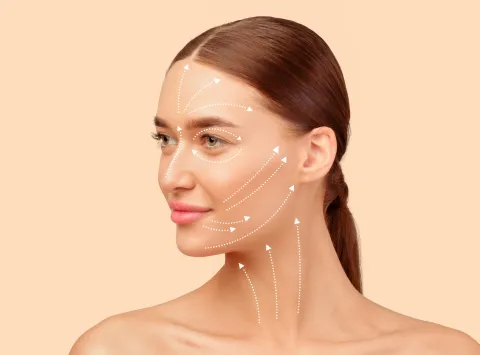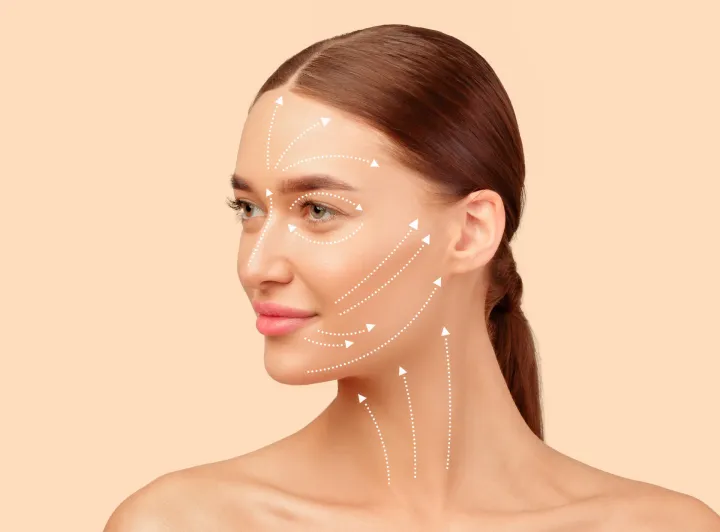
What You Should Know About Keeping Your Skin Looking Youthful
Healthy skin is often associated with overall wellness, proper skincare habits, and long-term lifestyle choices. While aging is a natural biological process, many people seek ways to maintain Youthful Skin by protecting their skin from environmental stressors, supporting hydration, and adopting healthy daily routines.
Modern dermatology and skincare research have improved our understanding of how factors such as sun exposure, nutrition, sleep, and skincare practices influence the appearance and health of the skin over time.
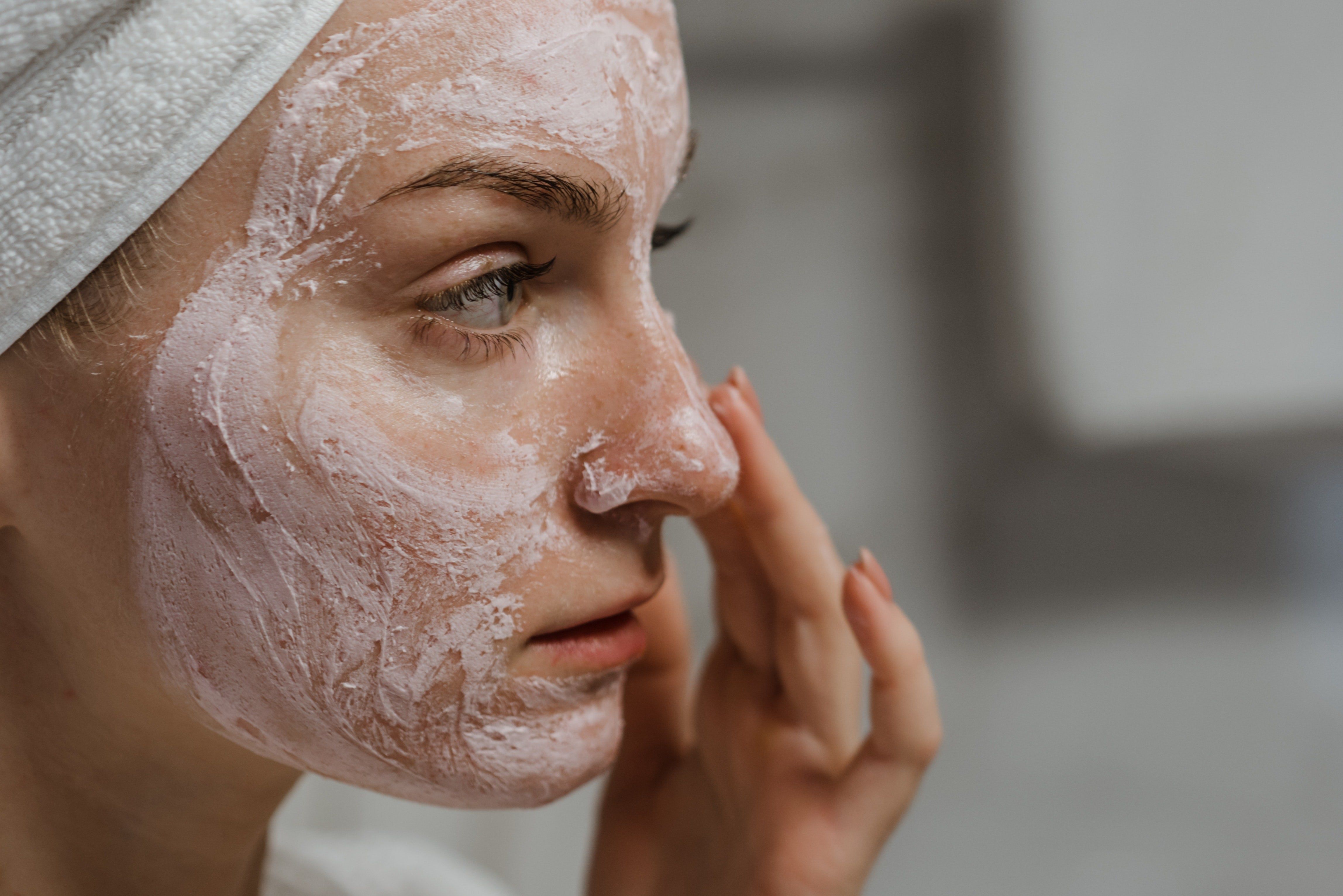
Maintaining youthful-looking skin is not about stopping aging but rather supporting skin health so it can function effectively and retain a healthy appearance throughout different stages of life. Understanding the factors that affect skin aging can help individuals make informed choices about skincare and overall wellness.
Health Disclaimer: This article is intended for educational purposes only and should not replace professional medical or dermatological advice. Individuals with skin concerns should consult a qualified healthcare professional or dermatologist.
What Is Youthful Skin?
Youthful Skin generally refers to skin that appears healthy, well-hydrated, smooth, and resilient. Characteristics often associated with youthful-looking skin may include:
Even skin tone
Good hydration levels
Smooth texture
Healthy elasticity
Minimal visible dryness
Balanced oil production
Consistent skin barrier function
Natural radiance
The appearance of skin varies greatly among individuals and is influenced by genetics, lifestyle, environment, and overall health.
How Skin Changes Over Time
Skin naturally undergoes changes as people age.
Reduced Collagen Production
Collagen is a structural protein that helps maintain skin firmness and elasticity. Natural collagen production tends to decrease with age.
Slower Cell Turnover
The skin's renewal process may become slower, affecting texture and appearance.
Reduced Moisture Retention
Skin can become drier as natural oil production changes over time.
Environmental Exposure
Long-term exposure to sunlight, pollution, and other environmental factors may contribute to visible signs of aging.
Lifestyle Factors
Nutrition, sleep quality, stress levels, and smoking habits can influence skin health.
Daily Habits That Support Youthful Skin
Healthy routines often play a significant role in maintaining skin appearance.
Sun Protection
Protecting skin from ultraviolet (UV) exposure is one of the most important steps for long-term skin health.
Helpful practices include:
Using broad-spectrum sunscreen as recommended
Wearing protective clothing
Seeking shade during periods of intense sunlight
Wearing hats and sunglasses when appropriate
Hydration
Adequate hydration supports normal skin function and overall health.
Gentle Cleansing
Using appropriate cleansing methods helps remove dirt and impurities without unnecessarily disrupting the skin barrier.
Moisturizing
Moisturizers help support hydration and maintain skin comfort.
Healthy Lifestyle Choices
Regular physical activity, balanced nutrition, and quality sleep contribute to overall wellness and may support skin health.
Nutrition and Skin Health
Nutrition can influence the body's ability to maintain healthy skin.
Nutrients commonly associated with skin health include:
Vitamin C
Vitamin E
Zinc
Protein
Omega-3 fatty acids
Antioxidant-rich fruits and vegetables
A balanced diet supports overall health, which may positively affect skin appearance.
Skincare Ingredients Commonly Used
Many skincare products contain ingredients intended to support skin appearance.
Examples include:
Hyaluronic Acid
Often used to support skin hydration.
Retinoids
Frequently included in skincare regimens under professional guidance to support skin renewal.
Niacinamide
Commonly used in skincare formulations designed to support skin barrier function.
Peptides
Used in some products that aim to support skin structure.
Antioxidants
May help protect the skin from environmental stressors.
Product suitability varies by individual skin type and sensitivity.
Youthful Skin Overview
| Skin Health Factor | Potential Role |
|---|---|
| Sun Protection | Helps reduce UV-related skin damage |
| Hydration | Supports skin comfort and appearance |
| Balanced Nutrition | Supports overall skin health |
| Quality Sleep | Assists normal body recovery processes |
| Moisturizing | Helps maintain skin barrier function |
| Healthy Lifestyle | Supports long-term skin wellness |
Habits That May Affect Skin Appearance
Certain lifestyle factors may contribute to visible skin changes over time.
Examples include:
Excessive sun exposure
Smoking
Chronic sleep deprivation
Poor nutrition
Dehydration
Long-term unmanaged stress
Inconsistent skincare practices
Environmental pollutants
Reducing these factors where possible may help support healthier skin.
Current Trends in Skin Care
Skincare research and technology continue to evolve.
Recent developments include:
Personalized skincare recommendations
Artificial intelligence-assisted skin analysis
Advanced hydration technologies
Skin microbiome research
Digital dermatology consultations
Wearable UV monitoring devices
Improved sunscreen formulations
Evidence-based skincare products
These innovations help consumers better understand and manage their skincare routines.
Looking Ahead
The future of Youthful Skin research is expected to include greater personalization, enhanced understanding of skin biology, advanced preventive skincare technologies, and improved methods for supporting healthy aging. Ongoing scientific research continues to provide insights into maintaining skin health throughout life.
Why Understanding Youthful Skin Matters
Understanding the factors that contribute to Youthful Skin helps individuals make informed choices about skincare, sun protection, nutrition, and overall wellness. While aging is a natural process, healthy habits can support skin function and help maintain a healthy appearance over time.
Conclusion
Maintaining Youthful Skin involves a combination of consistent skincare practices, sun protection, healthy lifestyle choices, balanced nutrition, and appropriate hydration. Although no routine can prevent natural aging, supporting overall skin health can help improve comfort, appearance, and resilience throughout life. By focusing on evidence-based skincare habits and long-term wellness, individuals can promote healthier skin at every age.