Women Workout Clothes: A Complete Guide to Comfort, Performance, and Style
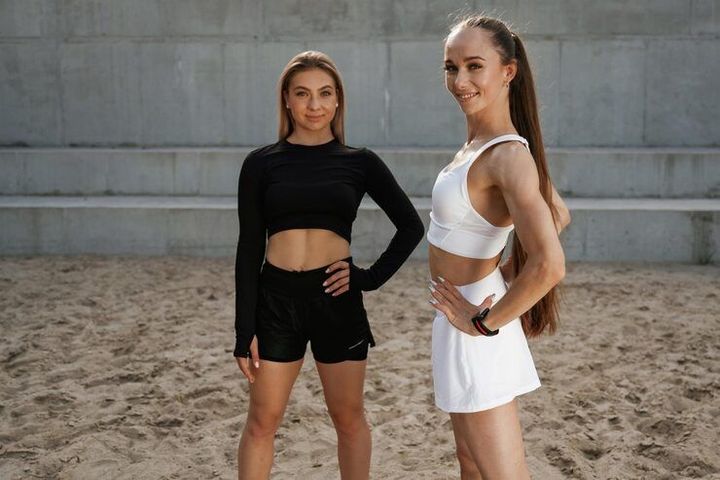
Women workout clothes are garments designed to support physical activity, exercise routines, sports participation, and active lifestyles. These clothing items have evolved significantly over time, moving from simple athletic uniforms to specialized apparel created for different forms of movement such as running, yoga, strength training, cycling, and outdoor fitness activities.
The growth of fitness culture, recreational sports, and wellness awareness has increased interest in workout apparel. Modern women workout clothes are designed to improve comfort, flexibility, moisture management, and durability during physical activity. Manufacturers use various materials and construction methods to help wearers move comfortably while maintaining functionality.
Today, workout clothing is used by a wide range of individuals, including athletes, fitness enthusiasts, students, professionals, and people participating in everyday exercise programs. Understanding the features and purposes of different workout garments can help individuals make informed decisions when selecting apparel for specific activities.
Evolution of Fitness Apparel
Historically, athletic clothing focused mainly on practicality. As textile technology advanced, manufacturers introduced synthetic fibers, stretch materials, and moisture-management fabrics that improved performance and comfort.
Modern workout apparel often combines functional design with contemporary fashion trends. As a result, many garments are worn both during exercise and as part of casual daily wardrobes.
Common Types of Women Workout Clothes
Several categories of workout clothing are commonly used for fitness activities:
- Leggings and tights
- Athletic tops and T-shirts
- Sports bras
- Shorts
- Training jackets
- Track pants
- Compression garments
- Yoga apparel
- Running apparel
- Outdoor fitness clothing
Different activities may require different combinations of these garments depending on movement patterns, weather conditions, and personal preferences.
Importance
Supporting Comfort During Exercise
Comfort is one of the primary reasons workout clothing matters. Physical activity often involves stretching, bending, lifting, and repetitive movements. Properly designed apparel can reduce restrictions and allow a greater range of motion.
Materials with stretch properties can help support movement while maintaining shape throughout an exercise session.
Moisture Management
Exercise increases body temperature and perspiration. Many women workout clothes use fabrics designed to move moisture away from the skin and support evaporation.
This feature may help users remain more comfortable during extended physical activity, particularly in warm environments.
Activity-Specific Design
Different forms of exercise place unique demands on clothing. For example:
- Running apparel often focuses on lightweight construction.
- Yoga clothing emphasizes flexibility and unrestricted movement.
- Strength training apparel may prioritize durability.
- Cycling garments frequently include fitted designs.
- Outdoor fitness apparel may include weather-resistant materials.
Selecting clothing that aligns with an activity can contribute to a more comfortable exercise experience.
Supporting Confidence and Participation
Comfortable workout clothing may encourage regular participation in physical activity. When apparel fits appropriately and supports movement, individuals may feel more prepared for exercise sessions.
This can be particularly important for beginners who are developing new fitness habits.
Common Features Found in Workout Apparel
| Feature | Purpose | Common Use |
|---|---|---|
| Stretch Fabric | Supports movement | Yoga, training |
| Moisture Management | Handles perspiration | Running, gym workouts |
| Breathable Panels | Improves airflow | High-intensity exercise |
| Compression Elements | Muscle support | Training and recovery |
| Reflective Details | Visibility in low light | Outdoor running |
| Lightweight Materials | Reduces bulk | Cardio activities |
The importance of each feature depends on the intended activity and environmental conditions.
Importance
Growing Interest in Active Lifestyles
Public awareness of fitness and wellness has increased globally. More individuals participate in activities such as walking, gym workouts, yoga, dance fitness, cycling, and recreational sports.
As participation grows, demand for functional workout apparel continues to expand.
Adaptation to Different Weather Conditions
Women workout clothes are available in designs suitable for various climates. Lightweight garments may be suitable for warm conditions, while layered apparel can support exercise in cooler environments.
This adaptability allows people to remain active throughout the year.
Supporting Diverse Body Types
The fitness apparel industry has increasingly expanded size ranges and fit options. This trend reflects growing recognition that individuals have different body shapes, activity preferences, and comfort requirements.
Inclusive sizing has become an important aspect of modern athletic apparel design.
Everyday Versatility
Many workout garments are now worn beyond exercise settings. Athletic-inspired clothing has become common in daily routines due to its comfort and practical design.
This trend has contributed to the popularity of activewear across different age groups.
Recent Updates
Sustainable Material Development
From 2024 to 2026, sustainability remained an important focus within the apparel industry. Many manufacturers continued exploring recycled fibers, reduced-waste production methods, and environmentally conscious textile innovations.
Consumers increasingly seek information regarding material sourcing and environmental impact.
Smart Fabric Technologies
Advances in textile development have led to fabrics with improved moisture control, durability, stretch characteristics, and temperature regulation.
Research continues into materials that can adapt to changing activity levels and environmental conditions.
Increased Focus on Inclusivity
The fitness apparel sector has expanded its approach to size availability and fit diversity. More brands are developing collections designed to accommodate a broader range of body types and fitness activities.
This trend supports greater accessibility within fitness communities.
Growth of Hybrid Apparel
Many women workout clothes are designed to transition between exercise and everyday activities. Hybrid apparel combines athletic functionality with casual styling.
The trend reflects changing lifestyle patterns and flexible daily schedules.
Digital Shopping Tools
Online apparel platforms increasingly use measurement guides, virtual sizing tools, and fit recommendation systems. These tools help consumers understand sizing information before selecting clothing.
Technology continues to influence how people evaluate fitness apparel.
Laws or Policies
Textile Labeling Requirements
Many countries require clothing manufacturers to provide information regarding fiber composition, care instructions, and country of origin.
These labeling rules help consumers understand garment characteristics and maintenance requirements.
Consumer Protection Regulations
Consumer protection laws may regulate advertising claims related to apparel performance. Companies are generally expected to present information accurately and avoid misleading statements.
Regulations vary by country and region.
Environmental Reporting Standards
As sustainability becomes more important, some jurisdictions have introduced reporting expectations related to environmental practices and product transparency.
These policies may influence how apparel companies communicate information about materials and manufacturing processes.
Workplace and Safety Standards
Manufacturing facilities that produce workout apparel may be subject to labor, workplace safety, and environmental regulations.
These frameworks aim to support responsible production practices.
Import and Trade Policies
Many apparel products are manufactured through international supply chains. Trade regulations, customs requirements, and import policies can influence product availability across different markets.
Consumers may notice variations depending on regional distribution systems.
Tools and Resources
Fitness Apparel Size Guides
Size charts help individuals compare body measurements with garment dimensions. Understanding sizing information can improve fit selection and reduce uncertainty.
Fabric Information Resources
Many apparel websites provide educational material explaining fabric characteristics such as elasticity, breathability, and moisture management.
These resources can help consumers understand differences between materials.
Activity Tracking Applications
Fitness applications can help users monitor exercise routines and identify the types of activities they perform most frequently. This information may assist in selecting appropriate workout clothing.
Garment Care Resources
Textile care guides explain washing, drying, and storage practices that can help maintain garment condition over time.
Following care instructions may support durability and appearance.
Sports and Fitness Organizations
Many sports associations publish recommendations regarding appropriate athletic apparel for training and competition activities.
These resources may provide useful information for participants in specific sports.
FAQs
What are women workout clothes designed for?
Women workout clothes are designed to support physical activity by providing comfort, flexibility, breathability, and durability during exercise and sports participation.
Which fabrics are commonly used in women workout clothes?
Common materials include polyester blends, nylon, elastane, cotton blends, and performance fabrics developed for moisture management and stretch.
Are women workout clothes different for running and yoga?
Yes. Running apparel often emphasizes lightweight construction and airflow, while yoga clothing typically focuses on flexibility, stretch, and unrestricted movement.
How should women workout clothes fit?
The appropriate fit depends on the activity. Some exercises benefit from fitted garments, while others may be more comfortable with relaxed styles that allow easy movement.
Why do many women workout clothes include stretch materials?
Stretch materials help accommodate body movement during exercise. They can improve comfort and flexibility during activities such as yoga, training sessions, and recreational sports.
Conclusion
Women workout clothes have evolved into specialized apparel designed to support a wide variety of fitness activities and active lifestyles. Features such as stretch fabrics, moisture management, breathability, and activity-specific designs contribute to comfort and functionality. Recent developments include sustainable materials, smart textile innovations, inclusive sizing, and hybrid apparel trends. Understanding garment features, fabric types, and intended uses can help individuals better understand the role of workout clothing in modern fitness and wellness routines.