Women’s ethnic wear rentals refer to platforms and boutiques that allow individuals to temporarily access traditional outfits for special events. These outfits often include lehengas, sarees, gowns, shararas, and other festive attire typically worn during weddings, receptions, engagement ceremonies, and cultural celebrations.
The concept developed in response to changing lifestyle patterns. Many events require elaborate clothing that may only be worn once or twice. Designer ethnic outfits can involve heavy embroidery, premium fabrics, and intricate craftsmanship. Renting allows individuals to access a wide range of styles without long-term wardrobe storage.
The growth of digital platforms and e-commerce technology has further expanded the availability of rental models in cities such as Mumbai, Delhi, Bengaluru, and Surat. Online catalogs, size charts, virtual trials, and doorstep delivery options have improved convenience and accessibility.
Women’s ethnic wear rentals are also connected to broader movements like sustainable fashion and circular economy practices, which encourage reuse and reduce textile waste.
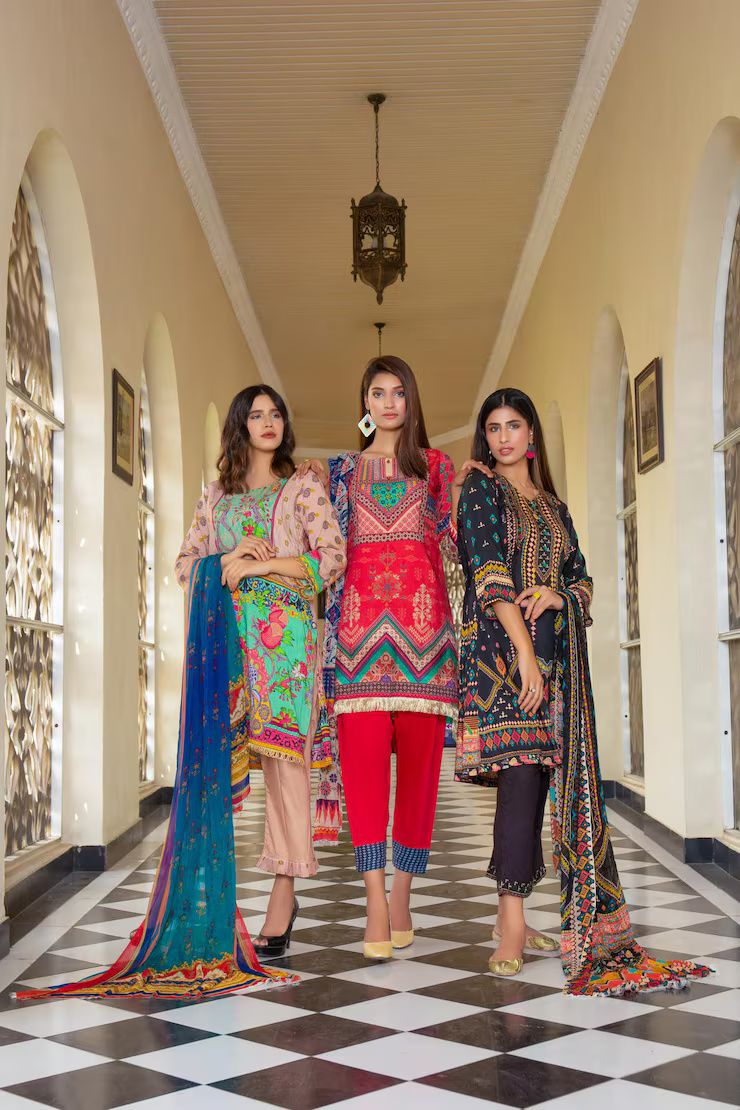
Importance in Today’s Fashion Landscape
Women’s ethnic wear rentals matter because they address multiple practical and environmental concerns. They are especially relevant for:
-
Brides and bridesmaids
-
Wedding guests
-
College students attending festivals
-
Working professionals attending formal cultural events
-
Destination wedding participants
Several key factors explain their growing importance.
Access to Designer Fashion
Many designer outfits inspired by labels such as Sabyasachi Mukherjee or Manish Malhotra are known for detailed craftsmanship. Rental platforms often provide similar design aesthetics, allowing wider access to premium ethnic fashion trends.
Sustainability and Environmental Awareness
The textile industry contributes significantly to water consumption and waste generation. Sustainable fashion India initiatives emphasize reusability and reduced overproduction. Rental systems align with this goal by circulating garments among multiple users instead of producing new outfits for single occasions.
Financial Planning for Events
Indian weddings and festivals can involve multiple events such as haldi, mehendi, sangeet, reception, and engagement. Instead of maintaining a separate outfit for each function, rental models allow structured wardrobe planning.
Urban Lifestyle and Storage Constraints
In cities like Surat and Mumbai, apartment living may limit storage space. Heavy bridal lehengas can require specialized storage to prevent fabric damage. Rentals reduce the need for long-term garment care and preservation.
Changing Consumer Mindset
Younger generations increasingly prioritize experience and variety over ownership. Wearing different styles for different occasions without long-term commitment aligns with evolving lifestyle patterns.
Recent Updates and Trends (2025)
The past year has shown several developments in women’s ethnic wear rentals.
Rise of AI-Based Size Recommendations
In 2025, many fashion platforms integrated AI-powered size suggestion tools to improve fit accuracy. These systems analyze body measurements and previous selections to recommend appropriate sizes, reducing alterations and returns.
Growth of Regional Expansion
Tier-2 and Tier-3 cities, including parts of Gujarat and Rajasthan, have seen increased participation in rental fashion. Improved logistics networks have expanded delivery coverage beyond metro cities.
Focus on Sustainable Certifications
In 2024 and early 2025, several fashion startups highlighted eco-conscious operations. Some platforms introduced garment lifecycle tracking to monitor the number of wears and maintenance cycles.
Integration with Wedding Planning Apps
Wedding planning applications now include outfit planning dashboards, helping brides coordinate event-wise attire, accessories, and themes.
Popular Ethnic Wear Rental Categories in 2025
| Category | Common Occasions | Style Trends 2025 |
|---|---|---|
| Bridal Lehengas | Wedding Ceremony | Pastel tones, heritage motifs |
| Designer Sarees | Reception, Festive Events | Organza, hand-embroidered borders |
| Anarkali Gowns | Sangeet, Engagement | Lightweight layered fabrics |
| Indo-Western Sets | Cocktail Functions | Fusion cuts, minimal embroidery |
These trends reflect evolving preferences toward comfort, lighter fabrics, and subtle elegance.
Laws and Policies in India
Women’s ethnic wear rentals operate within India’s broader legal and regulatory framework.
Consumer Protection Act, 2019
The Consumer Protection Act, 2019 governs consumer rights in India. Rental platforms must ensure transparent terms and accurate product descriptions. Misrepresentation can lead to penalties under consumer law.
GST Regulations
The Goods and Services Tax framework applies to rental transactions. Businesses must comply with tax invoicing and reporting requirements.
E-Commerce Guidelines
The Ministry of Consumer Affairs issued e-commerce rules requiring platforms to display clear refund, cancellation, and grievance redressal mechanisms.
Textile Labeling Norms
Garments must follow labeling standards regarding fabric composition and care instructions as per Bureau of Indian Standards guidelines.
Environmental Regulations
Sustainability claims must avoid misleading advertising under advertising standards. Claims about eco-friendliness should be factual and verifiable.
Understanding these policies helps consumers make informed decisions and ensures compliance for platform operators.
Tools and Resources for Women’s Ethnic Wear Rentals
Several digital tools and resources assist users in planning and selecting ethnic wear rentals.
Wedding Planning Platforms
-
WedMeGood – Offers vendor listings and outfit inspiration galleries.
-
WeddingWire India – Provides reviews, checklists, and planning templates.
Fashion Inspiration and Trend Research
-
Pinterest – Useful for exploring lehenga color palettes and blouse designs.
-
Instagram – Shows real-event styling examples.
Size and Measurement Calculators
Online measurement charts and body measurement calculators help determine accurate sizing before selecting outfits.
Event Budget Templates
Spreadsheet templates assist in mapping event outfits across functions to avoid duplication and maintain style consistency.
Checklist for Selecting Women’s Ethnic Wear Rentals
-
Confirm event theme and color coordination
-
Review size charts carefully
-
Check fabric type and weight
-
Understand alteration policies
-
Inspect garment condition upon delivery
-
Plan accessories separately
These tools and checklists simplify the selection process and reduce last-minute complications.
Frequently Asked Questions
What is included in women’s ethnic wear rentals?
Most rentals include the main garment such as a lehenga or saree. Some platforms may include dupattas, blouses, or minor accessories. It is important to review item details carefully before confirming.
How far in advance should outfits be reserved?
For wedding seasons in India, booking 3–4 weeks in advance is advisable. Peak seasons between November and February often see higher demand.
Are alterations possible with rental outfits?
Minor adjustments such as temporary hemming or waist adjustments are sometimes available. Permanent alterations are generally avoided to preserve garment condition for future users.
How is hygiene maintained in rental garments?
Professional dry cleaning and sanitization processes are typically conducted after each use. Reputable platforms follow textile care standards to maintain hygiene.
Can rented ethnic wear be used for destination weddings?
Yes, but travel logistics should be planned carefully. Confirm delivery timelines and packaging arrangements before departure.
Conclusion
Women’s ethnic wear rentals have emerged as a practical and sustainable approach to occasion dressing in India. They respond to evolving lifestyle patterns, environmental awareness, and the desire for variety in wedding and festive fashion.
With the integration of AI tools, expanded regional access, and stronger regulatory frameworks, the rental model continues to mature. Understanding policies such as the Consumer Protection Act, GST rules, and e-commerce guidelines helps consumers make informed decisions.
By using planning tools, measurement guides, and fashion research platforms, individuals can navigate women’s ethnic wear rentals effectively and responsibly. The trend reflects a broader shift toward flexible fashion consumption, balancing tradition with modern practicality.