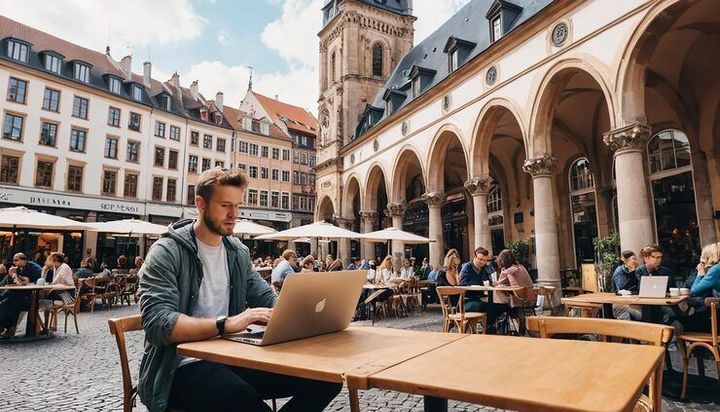
Work in Germany: Complete Guide to Employment Culture, Skills, and Opportunities
Germany is one of Europe’s largest economies and is known for its strong industrial base, advanced technology sector, and diverse workforce.
The concept of work in Germany is shaped by a combination of economic development, vocational training traditions, labor protections, and international cooperation. Over the years, the country has become an important destination for people seeking employment opportunities across various industries.
The German labor market includes sectors such as manufacturing, engineering, healthcare, information technology, logistics, education, and renewable energy. Many organizations operate internationally, creating workplaces that often include employees from different cultural and professional backgrounds.
Work culture in Germany is generally associated with structure, efficiency, and clear communication. Employees are expected to follow established processes while maintaining professional standards. Understanding these cultural and workplace expectations can help individuals adapt more effectively to employment environments in the country.
As globalization and digital transformation continue to influence workplaces worldwide, Germany has also adapted by expanding remote work arrangements, digital skills training, and international talent programs. These developments have created a wider range of opportunities for both domestic and international workers.
Importance
Understanding work in Germany is important because employment practices can differ significantly from those in other countries. Knowledge of workplace culture, labor regulations, and skill requirements helps individuals prepare for professional environments and make informed career decisions.
Germany faces demographic changes, including an aging population and increasing demand for workers in certain sectors. As a result, many industries are seeking qualified professionals with specialized knowledge and practical experience.
Several groups are affected by developments in the German labor market:
- Students preparing for future careers.
- Skilled professionals considering international employment.
- Employers adapting to changing workforce needs.
- Educational institutions developing training programs.
- Policymakers addressing economic and labor market challenges.
Workplace integration can sometimes be challenging for newcomers due to language differences, cultural expectations, and administrative procedures. Learning about employment culture and workplace norms can help reduce misunderstandings and improve professional communication.
Understanding German Work Culture
German workplaces often emphasize punctuality, planning, and accountability. Meetings typically follow structured agendas, and deadlines are taken seriously.
Important characteristics include:
- Clear communication and direct feedback.
- Respect for professional roles and responsibilities.
- Strong focus on quality and accuracy.
- Separation between professional and personal life.
- Importance of documentation and procedures.
While workplace environments vary across industries and organizations, these principles are commonly observed throughout the country.
Skills Commonly Valued in Germany
Employers frequently seek a combination of technical knowledge and interpersonal abilities. The specific requirements depend on the sector, but several skills remain broadly relevant.
Examples include:
- Technical and digital literacy.
- Problem-solving abilities.
- Team collaboration.
- Project management.
- Adaptability to technological changes.
- Language proficiency, particularly German and English in some sectors.
Germany's vocational education system also places significant emphasis on practical training and industry-specific expertise.
Major Employment Sectors
The German economy supports opportunities across many fields. The table below highlights several important sectors and their general focus areas.
| Sector | Common Focus Areas |
|---|---|
| Manufacturing | Industrial production, automation |
| Engineering | Mechanical, electrical, civil projects |
| Healthcare | Medical care, nursing, research |
| Information Technology | Software development, cybersecurity |
| Logistics | Transportation, supply chain management |
| Renewable Energy | Wind power, solar energy, sustainability |
| Education | Teaching, training, research |
| Finance | Banking, risk management, accounting |
Recent Updates
Recent developments between 2024 and 2026 have influenced employment trends throughout Germany. These changes reflect technological advancement, demographic shifts, and evolving workplace expectations.
Growth of Digital Skills
Digital transformation continues to affect industries ranging from manufacturing to healthcare. Organizations increasingly rely on automation, data analysis, cloud computing, and artificial intelligence tools to improve productivity and decision-making.
As a result, workers with digital competencies are becoming increasingly valuable across multiple sectors.
Expansion of Flexible Work Arrangements
Remote and hybrid work models remain part of many organizations. While not every industry can support remote work, sectors such as technology, consulting, education, and administration have incorporated flexible arrangements into their operations.
Many workplaces now combine in-person collaboration with digital communication tools.
Focus on Sustainability
Germany continues to invest in environmental and sustainability initiatives. This trend has contributed to increased activity in renewable energy, green technology, environmental engineering, and sustainable manufacturing.
Professionals with knowledge of environmental regulations and sustainable practices may find growing opportunities in these areas.
International Workforce Participation
To address workforce shortages in specific occupations, Germany has continued efforts to attract qualified professionals from abroad. Recognition of foreign qualifications and integration programs remain important topics within labor market discussions.
Language skills and credential recognition continue to play a significant role in successful workforce participation.
Laws or Policies
Employment in Germany is regulated by a framework of labor laws designed to protect both employees and employers. These regulations establish standards related to working conditions, compensation, workplace safety, and employee rights.
Employment Contracts
Written employment agreements typically outline key details such as responsibilities, working hours, compensation arrangements, leave entitlements, and notice periods.
Employees are encouraged to review contractual terms carefully before beginning employment.
Working Time Regulations
German labor regulations establish limits on working hours and provide rules regarding rest periods. These measures are intended to support employee well-being and workplace safety.
Working time requirements can vary depending on industry-specific agreements and collective arrangements.
Workplace Safety
Organizations are generally required to maintain safe working environments. Safety training, risk assessments, and protective measures are commonly implemented in industries where physical hazards may exist.
Leave and Employee Rights
Employees may be entitled to various forms of leave, including annual leave, parental leave, and sick leave, depending on applicable regulations and employment agreements.
Labor protections also address issues such as discrimination, workplace equality, and employee representation.
Skilled Immigration Programs
Germany has introduced policies aimed at facilitating the entry of qualified professionals from outside the European Union. These programs focus on addressing workforce needs in sectors experiencing skill shortages.
Applicants typically need to meet specific qualification and documentation requirements established by immigration authorities.
Tools and Resources
Several tools and resources can help individuals understand work in Germany, workplace requirements, and employment-related procedures.
Government Information Platforms
Official government websites provide information about:
- Work permits and visas.
- Qualification recognition.
- Labor regulations.
- Social security systems.
- Tax information.
Career and Employment Platforms
Online employment platforms allow users to explore opportunities, review industry trends, and understand qualification requirements across different sectors.
These platforms may include filters for location, industry, language requirements, and experience levels.
Language Learning Resources
German language proficiency can be beneficial in many workplaces. Language-learning platforms, educational institutions, and certification programs can support skill development.
Qualification Recognition Portals
Recognition tools help individuals determine whether foreign educational credentials align with German standards. This process can be important for regulated professions and specialized occupations.
Professional Networking Platforms
Professional networking websites enable users to connect with industry professionals, participate in discussions, and learn about developments in specific sectors.
FAQs
What is work culture like in Germany?
Work culture in Germany is often characterized by punctuality, organization, clear communication, and respect for professional responsibilities. Many workplaces value efficiency, planning, and adherence to agreed processes.
Which skills are important for work in Germany?
Skills commonly valued include technical expertise, digital literacy, teamwork, problem-solving abilities, project management, and language proficiency. Requirements vary depending on the industry and role.
Are German language skills necessary for employment opportunities in Germany?
The need for German language skills depends on the sector and workplace. Some international organizations operate primarily in English, while many positions require German communication skills for daily tasks and customer interaction.
What industries provide employment opportunities in Germany?
Major sectors include manufacturing, engineering, healthcare, information technology, logistics, renewable energy, finance, and education. Demand varies according to economic conditions and workforce needs.
How do foreign qualifications affect work in Germany?
Foreign qualifications may need to undergo recognition procedures, particularly for regulated professions. Recognition helps determine whether educational credentials meet German professional standards.
Conclusion
Work in Germany is influenced by a combination of economic strength, workplace structure, labor protections, and evolving industry needs. Understanding employment culture, skill expectations, and regulatory frameworks can help individuals navigate professional environments more effectively. Recent developments such as digital transformation, sustainability initiatives, and international workforce participation continue to shape the labor market. Awareness of available tools, resources, and policies provides valuable context for anyone seeking to understand employment opportunities in Germany.