Yoga & Meditation Tour Circuits: An Informative Guide to Peaceful Travel Experiences
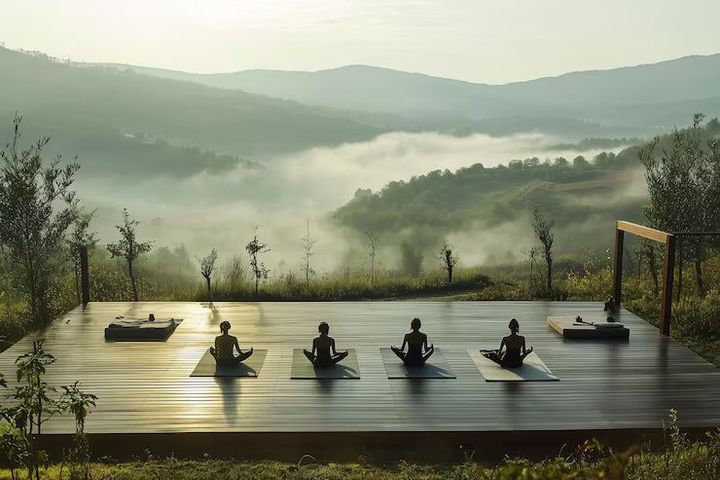
Yoga and meditation tour circuits refer to travel routes or destination networks designed around mindfulness practices, wellness retreats, and spiritual exploration. These circuits often include locations known for yoga traditions, meditation centers, natural landscapes, and holistic wellness activities.
Yoga and meditation travel circuits have emerged as part of the growing global interest in mindfulness, wellness tourism, and mental well-being. Travelers today increasingly prefer experiences that promote relaxation, self-reflection, and balanced lifestyles instead of traditional sightseeing.
These travel circuits connect multiple destinations that offer structured wellness experiences. They combine physical, mental, and spiritual activities in immersive environments.
What Do These Circuits Include?
Yoga and meditation circuits often include a mix of destinations and experiences such as:
- Ashrams and spiritual centers
- Nature retreats and mountain destinations
- Wellness resorts and meditation campuses
- Cultural and historical spiritual landmarks
Many travel routes are designed to connect multiple locations within a region. This allows travelers to explore different practices like yoga philosophy, breathing techniques, and meditation styles.
Global Presence of Wellness Circuits
Countries such as India, Nepal, Thailand, and Indonesia are widely known for spiritual tourism. However, wellness travel circuits are expanding globally into Europe, North America, and Australia.
Travelers often combine wellness activities with cultural learning and environmental awareness. This creates a holistic travel experience focused on both inner and outer exploration.
Why Yoga and Meditation Travel Matters Today
Wellness tourism has become a significant segment of the global travel industry. Yoga and meditation circuits contribute to physical health, mental clarity, and emotional balance.
Several modern trends explain their growing importance.
Growing Mental Health Awareness
Modern lifestyles often involve high stress, long working hours, and constant digital exposure. Yoga and meditation help manage stress and improve concentration.
Rise of Wellness Tourism
Wellness tourism is growing faster than traditional tourism in many regions. Travelers are actively choosing experiences that support healthier lifestyles and mindful living.
Digital Detox Travel
Many wellness destinations are located in natural environments such as mountains, forests, and coastal areas. These settings encourage reduced screen time and deeper connection with nature.
Cultural and Spiritual Exploration
Yoga has deep roots in ancient traditions, especially in India. Visiting yoga centers helps travelers understand its philosophical and cultural significance.
Community and Personal Growth
Group sessions, workshops, and discussions are common in wellness retreats. These activities support personal development and shared learning experiences.
Recent Updates in Yoga and Wellness Travel
Wellness tourism has experienced renewed growth, especially after global disruptions in previous years. In 2025, travelers are increasingly prioritizing physical and mental well-being through travel.
Key Trends (2024–2025)
- Expansion of yoga destinations in countries like Japan, Portugal, Costa Rica, and Iceland
- Integration of digital tools such as meditation apps and virtual yoga communities
- Growth of eco-friendly retreat locations using sustainable practices
- Increase in long-term wellness stays, including teacher training programs
- Government promotion of wellness tourism through cultural initiatives
These trends highlight the shift toward holistic and sustainable travel experiences.
Regulations and Government Policies
Yoga and meditation circuits are influenced by tourism regulations, cultural policies, and environmental standards. These rules vary across countries but play a key role in shaping the industry.
Key Policy Areas
- Tourism development programs: Support infrastructure and destination promotion
- Cultural heritage protection: Preserve traditional yoga practices and authenticity
- Environmental regulations: Ensure sustainable operations in natural areas
- Health and safety standards: Maintain accommodation and facility guidelines
International Recognition
In 2014, the United Nations declared June 21 as the International Day of Yoga. This global recognition has strengthened yoga tourism and cultural exchange programs.
Tools and Resources for Travelers
Digital tools and resources play an important role in planning and enhancing wellness travel experiences. They help travelers prepare, practice, and stay connected throughout their journey.
Meditation and Mindfulness Apps
- Headspace
- Calm
- Insight Timer
These apps offer guided meditation, breathing exercises, and structured mindfulness programs.
Other Useful Resources
- Yoga learning platforms: Support practice before and after travel
- Travel planning tools: Help organize routes and destinations
- Wellness trackers: Monitor sleep, breathing, and meditation habits
- Educational resources: Provide knowledge on yoga philosophy and mindfulness
Popular Yoga Travel Destinations
| Destination Region | Wellness Focus | Environment |
|---|---|---|
| India (Rishikesh, Kerala) | Traditional yoga philosophy | Mountains, rivers |
| Nepal | Meditation retreats | Himalayan landscapes |
| Thailand | Mindfulness retreats | Tropical nature |
| Costa Rica | Eco-wellness and yoga | Rainforests and beaches |
| Portugal | Wellness and surf yoga | Coastal environments |
Traveler Motivations and Activities
| Travel Motivation | Typical Activities |
|---|---|
| Stress reduction | Meditation sessions |
| Physical health | Yoga practice |
| Cultural learning | Philosophy workshops |
| Nature immersion | Forest walks and retreats |
These tools and insights help travelers create structured and meaningful wellness journeys.
Frequently Asked Questions
What are yoga and meditation tour circuits?
They are travel routes that connect destinations known for wellness practices, spiritual learning, and mindfulness experiences.
Who participates in these travel circuits?
Participants include yoga practitioners, wellness travelers, and individuals seeking relaxation and personal growth.
Are these circuits only in India?
No, they are available worldwide, including in Southeast Asia, Europe, and the Americas.
What activities are included?
Common activities include yoga sessions, meditation, breathing exercises, workshops, and nature-based experiences.
How is wellness tourism different?
It focuses on health, mindfulness, and personal development rather than purely recreational travel.
Conclusion
Yoga and meditation tour circuits are a growing part of global wellness tourism. They combine mindfulness practices, cultural exploration, and nature-based experiences to support balanced lifestyles.
As awareness of mental health and holistic well-being increases, more travelers are choosing meaningful and reflective journeys. These travel circuits offer opportunities for relaxation, learning, and personal growth.
With ongoing developments in eco-friendly tourism, digital tools, and government support, wellness travel continues to expand globally. Understanding these circuits helps travelers make informed and purposeful travel choices.