Zirconia Dental Implants Guide: Discover Benefits, Types, and Important Information
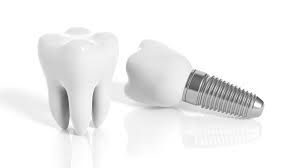
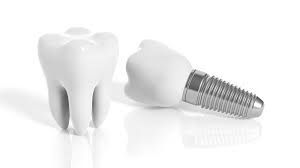
Zirconia dental implants are a type of dental implant made from zirconium dioxide, a ceramic material that has been used in medicine and dentistry for many years.
These implants are designed to replace missing tooth roots and support crowns, bridges, or other dental restorations. Unlike traditional titanium implants, zirconia dental implants are often discussed as metal free dental implants because they do not contain metallic components in the implant body.
The development of zirconia tooth implants emerged from the need for alternative materials that could provide strength, durability, and compatibility with human tissues. Advances in ceramic technology have made it possible to create implants capable of withstanding daily chewing forces while maintaining an appearance similar to natural teeth.
Many patients exploring ceramic tooth replacement options are interested in how these implants differ from conventional materials. As awareness of biocompatible dental implants grows, zirconia has become an important topic in modern restorative dentistry.
A zirconia implant dentist may recommend these implants in specific situations based on individual oral health conditions, bone structure, and treatment goals. Understanding the fundamentals of zirconia implants can help patients make informed decisions when discussing treatment options with dental professionals.
How Zirconia Implants Work
Like other dental implants, zirconia implants are surgically placed into the jawbone. Over time, the surrounding bone tissue integrates with the implant surface through a process called osseointegration. Once healing is complete, a dental restoration is attached to restore appearance and function.
Single-Piece and Two-Piece Designs
Modern zirconia implants are generally available in two primary configurations:
- Single-piece implants combine the implant and abutment into one structure.
- Two-piece implants consist of separate implant and abutment components.
- Treatment selection depends on anatomy, restoration needs, and clinical considerations.
Importance
Missing teeth can affect speech, chewing ability, facial appearance, and overall oral health. Dental implants help address these challenges by providing a stable foundation for replacement teeth.
Zirconia dental implants are particularly relevant for individuals seeking alternatives to traditional metal-based implant materials. Some patients are interested in metal free dental implants due to personal preferences, aesthetic considerations, or discussions with healthcare providers regarding material choices.
Aesthetic Considerations
One reason zirconia implants receive attention is their tooth-colored appearance. In situations where gum tissue is thin, the color of the implant may influence the overall appearance of the restoration. Zirconia's white color can help support natural-looking outcomes in certain cases.
Biocompatibility and Tissue Response
The term biocompatible dental implants refers to implants designed to function harmoniously with surrounding tissues. Zirconia has been studied for its ability to interact with oral tissues and support implant stability.
While every medical treatment carries potential risks and considerations, zirconia implants are often included in discussions about materials used in modern implant dentistry.
Interest in Holistic Dentistry
Some individuals seeking holistic dental implants are interested in treatment approaches that consider overall wellness alongside oral health. In these situations, zirconia implants may be discussed as one of several available implant materials.
Cosmetic and Functional Benefits
Cosmetic dental implants are intended not only to restore chewing function but also to contribute to the appearance of a patient's smile. Zirconia implants may be considered for:
- Replacement of a single missing tooth
- Support of multiple missing teeth
- Restoration of front teeth where appearance is particularly important
- Certain full-arch reconstruction cases
Recent Updates
The field of implant dentistry continues to evolve, and zirconia implants have seen ongoing development in recent years.
Improvements in Implant Design
Manufacturers have refined implant shapes, surface treatments, and connection systems to improve clinical performance and treatment flexibility. Two-piece zirconia implant systems have become more widely available, expanding restorative options for dental professionals.
Research and Long-Term Studies
Recent research continues to examine implant survival rates, tissue response, and long-term outcomes associated with zirconia tooth implants. Studies generally focus on comparing ceramic and titanium implants while evaluating factors such as durability, stability, and patient satisfaction.
Growth of Full-Arch Solutions
Interest in full mouth zirconia implants has increased as implant technology advances. Full-arch rehabilitation techniques may use zirconia-based components to restore multiple missing teeth across an entire dental arch.
Digital Dentistry Integration
Digital workflows are becoming more common in implant treatment planning. Technologies such as:
- Three-dimensional imaging
- Digital impressions
- Computer-assisted implant planning
- Computer-aided design and manufacturing
help improve precision throughout the treatment process.
Increased Availability of Specialized Care
As awareness of zirconia implants grows, more dental professionals pursue training in ceramic implant systems. Patients may encounter practitioners described as zirconia implant specialists who have additional experience with these treatment methods.
Laws or Policies
Dental implant treatment is regulated through healthcare and medical device frameworks in many countries. Regulations are intended to promote patient safety and ensure that materials used in treatment meet established standards.
Medical Device Approval
Before zirconia implant systems can be used clinically, they typically undergo evaluation by regulatory authorities responsible for medical devices. Requirements may vary between countries, but they generally involve assessments of safety, manufacturing quality, and performance.
Professional Licensing
Dental implant placement is typically performed by licensed dental professionals who meet educational and regulatory requirements established by national or regional authorities.
Recordkeeping and Informed Consent
Many healthcare regulations require dental professionals to:
- Maintain patient records
- Explain treatment options
- Discuss potential risks and benefits
- Obtain informed consent before treatment
Insurance and Financing Considerations
Coverage for implant treatment varies according to insurance plans and regional healthcare systems. Some patients explore dental implant financing arrangements provided through healthcare financing organizations or payment programs. Terms and eligibility requirements vary and should be reviewed carefully before entering any agreement.
Tools and Resources
Patients researching zirconia implants often use various educational and planning resources to better understand treatment options.
Implant Consultation Resources
A zirconia implant consultation may involve diagnostic imaging, oral examinations, and treatment planning discussions. Educational materials provided during consultations can help patients understand the procedures involved.
Online Dental Information Platforms
Several organizations publish educational resources regarding implant dentistry, including:
- Professional dental associations
- Academic dental institutions
- Government health agencies
- Dental research organizations
These sources often provide information about implant procedures, oral health maintenance, and treatment expectations.
Treatment Planning Software
Dental professionals increasingly use digital planning tools that support:
- Implant positioning analysis
- Bone structure evaluation
- Restoration design
- Surgical guide creation
Comparison Table
| Feature | Zirconia Dental Implants | Traditional Titanium Implants |
|---|---|---|
| Material Type | Ceramic | Metal |
| Appearance | White or tooth-colored | Metallic gray |
| Metal Content | No metal in implant body | Contains metal |
| Common Applications | Single and multiple tooth replacement | Single and multiple tooth replacement |
| Available Designs | Single-piece and two-piece systems | Various system designs |
| Clinical Evaluation | Based on patient-specific factors | Based on patient-specific factors |
Finding Information
When researching implant options, patients may encounter terms such as zirconia implant clinic, zirconia implant dentist, or zirconia implant specialists. These terms generally refer to dental practices or professionals who provide information and treatment involving ceramic implant systems.
FAQs
What are zirconia dental implants?
Zirconia dental implants are tooth replacement implants made from zirconium dioxide, a ceramic material. They are used to replace missing tooth roots and support dental restorations such as crowns and bridges.
Are zirconia tooth implants considered metal free dental implants?
Zirconia tooth implants are commonly described as metal free dental implants because the implant body is made from ceramic rather than metal. Specific treatment components may vary depending on the implant system used.
What is the difference between zirconia implants and ceramic tooth replacement options?
Ceramic tooth replacement is a broad term that may include crowns, bridges, veneers, and implants made from ceramic materials. Zirconia implants are one specific type of ceramic-based tooth replacement solution.
Who may benefit from holistic dental implants?
Individuals interested in holistic dental implants often seek treatment approaches that consider overall health alongside dental restoration needs. Treatment suitability depends on personal circumstances and professional evaluation.
What happens during a zirconia implant consultation?
A zirconia implant consultation typically includes a review of dental history, oral examination, diagnostic imaging, and discussion of potential treatment options. The dentist evaluates factors such as bone health, oral condition, and restoration goals.
Conclusion
Zirconia dental implants are ceramic-based tooth replacement options designed to restore missing teeth while supporting oral function and appearance. Advances in implant design, digital dentistry, and clinical research have contributed to broader awareness of zirconia implant systems. Topics such as biocompatible dental implants, cosmetic dental implants, and full mouth zirconia implants continue to be discussed within modern restorative dentistry. Understanding implant materials, treatment processes, and available resources can help individuals gain a clearer understanding of this evolving area of dental care.
Disclaimer: The information provided in this article is for informational purposes only. We do not make any claims or guarantees regarding the accuracy, reliability, or completeness of the information presented. The content is not intended as professional advice and should not be relied upon as such. Readers are encouraged to conduct their own research and consult with appropriate professionals before making any decisions based on the information provided in this article.