Zulu Beadwork Jewellery: Discover the Cultural Beauty and Meaning of Beaded Art
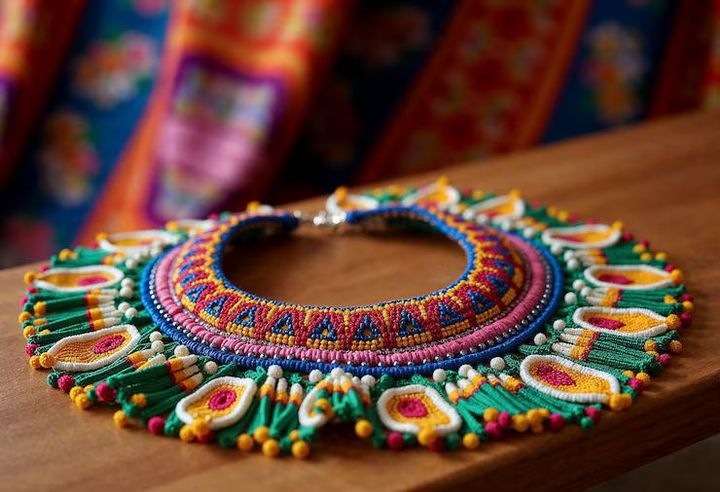
Zulu beadwork jewellery is a traditional art form created by the Zulu people of South Africa. It involves intricate patterns made from small colored beads arranged into necklaces, bracelets, belts, earrings, and decorative accessories. These bead designs are not only decorative but also carry symbolic meaning related to social status, identity, communication, and cultural traditions.
Historically, beadwork existed in Zulu communities long before modern materials were introduced. Early artisans used natural elements such as seeds, shells, bones, and wood to create decorative items. With the arrival of trade beads in the 19th century, the craft expanded significantly and allowed for more detailed designs.
Zulu beadwork jewellery developed into a visual communication system. Colors, shapes, and patterns convey messages about relationships, emotions, and social roles. Today, it remains an important symbol of cultural identity and heritage.
Common Types of Zulu Beadwork Jewellery
Zulu beadwork includes a wide variety of decorative items used for both everyday wear and special occasions.
- Beaded necklaces (isicholo necklaces)
- Beaded chokers and collar pieces
- Bracelets and arm bands
- Decorative belts
- Earrings and head adornments
These pieces are commonly worn during ceremonies, weddings, and community celebrations.
Why Zulu Beadwork Jewellery Remains Important Today
Zulu beadwork jewellery holds strong cultural, educational, and artistic value in modern society. It serves as a reflection of heritage while also supporting cultural preservation efforts.
Cultural and Educational Significance
Indigenous art forms like beadwork help preserve traditional knowledge and historical identity. They also provide insights into social structures and symbolic communication systems.
Educational institutions and museums use beadwork to teach design, storytelling, and African cultural history. This helps promote awareness and appreciation across generations.
Key Reasons for Continued Importance
- Preserves indigenous craftsmanship traditions
- Promotes cultural identity and awareness
- Supports education and creative industries
- Inspires modern fashion and design
- Encourages cross-cultural understanding
Zulu beadwork has also gained recognition in global art communities as a meaningful form of artistic expression.
Recent Updates and Cultural Developments
In recent years, there has been increased global interest in African heritage crafts, including Zulu beadwork. Cultural organizations and museums have actively promoted this art form.
Key Developments
- Cultural exhibitions in 2024 showcasing traditional and modern beadwork
- Growth of digital platforms sharing beadwork techniques and symbolism
- Integration of beadwork patterns into modern fashion in 2025
- Academic research documenting symbolic meanings and designs
These developments highlight the growing recognition of beadwork as both a cultural and artistic resource.
Laws and Cultural Heritage Policies
Zulu beadwork jewellery is supported by policies aimed at protecting traditional knowledge and craftsmanship. These frameworks help preserve cultural heritage for future generations.
Important Policy Frameworks
- National Heritage Resources Act – Protects cultural artifacts and traditions
- South African Cultural Heritage Programs – Promote indigenous arts
- UNESCO Intangible Cultural Heritage Initiatives – Support global recognition
Government institutions and cultural organizations often collaborate with communities to document and preserve beadwork traditions.
Tools and Resources for Learning About Beadwork
Various tools and platforms are available for learning about traditional beadwork jewellery and African cultural crafts. These resources support research, education, and design exploration.
Common Learning Resources
- Cultural heritage websites
- Museum digital archives
- Design pattern libraries
- Educational videos
- Academic research journals
Digital Tools and Platforms
- Virtual museum exhibitions
- Cultural documentation platforms
- Digital design tools
- Online courses on traditional crafts
Beadwork Jewellery Types and Cultural Meanings
Understanding beadwork involves recognizing how different items and colors convey meaning.
Jewellery Types and Their Meanings
| Jewelry Type | Traditional Use | Cultural Meaning |
|---|---|---|
| Beaded Necklace | Ceremonial wear | Social identity |
| Beaded Bracelet | Daily adornment | Personal expression |
| Beaded Belt | Cultural events | Community role |
| Beaded Earrings | Decorative use | Artistic style |
Bead Color Symbolism
| Bead Color | Traditional Meaning |
|---|---|
| White | Purity and spirituality |
| Blue | Faithfulness and harmony |
| Red | Strong emotions or love |
| Yellow | Wealth and prosperity |
| Green | Growth and new life |
These symbolic systems act as a cultural language within Zulu communities.
Cultural Insights and Artistic Techniques
Zulu beadwork combines craftsmanship with storytelling. Each piece is carefully designed to reflect specific symbolic meanings.
Beadwork Creation Process
| Step | Description |
|---|---|
| Pattern Planning | Choosing symbolic color combinations |
| Bead Selection | Selecting sizes and materials |
| Threading | Arranging geometric patterns |
| Finishing | Securing and shaping the final piece |
Designs often include geometric shapes such as triangles and diamonds. These patterns enhance visual appeal while maintaining cultural significance.
Frequently Asked Questions About Zulu Beadwork Jewellery
What is Zulu beadwork jewellery?
Zulu beadwork jewellery is a traditional art form using colored beads arranged in symbolic patterns. These patterns communicate messages about identity, relationships, and culture.
Why do bead colors have meaning?
Each color represents a specific idea such as love, loyalty, or wealth. When combined, they form meaningful visual messages.
Where is beadwork traditionally worn?
It is commonly worn during ceremonies, weddings, festivals, and celebrations. It may also be used in everyday adornment.
How old is this tradition?
The tradition dates back centuries, with modern glass beads introduced in the 19th century through trade.
Is Zulu beadwork still practiced today?
Yes, many artisans continue the craft, preserving traditional techniques while adapting to modern influences.
Conclusion
Zulu beadwork jewellery represents more than decorative art. It functions as a cultural language that communicates identity, relationships, and traditional knowledge.
Through its use of color symbolism and geometric design, beadwork reflects centuries of cultural heritage. Today, it continues to evolve through exhibitions, research, and digital platforms.
By studying Zulu beadwork, individuals gain valuable insight into African traditions and the lasting importance of indigenous craftsmanship in the modern world.