Fiber glass manufacturing is the process of creating a material made from extremely fine strands of glass. These fibers are woven, molded, or combined with resins to form strong and lightweight products. Fiber glass is widely used in industries such as construction, automotive, aerospace, wind energy, and electronics because of its durability, resistance to corrosion, and versatility.
The material first gained attention in the mid-20th century as an alternative to metals and plastics. Over time, manufacturers refined production methods, making fiber glass more accessible for large-scale use. Today, it plays a critical role in modern infrastructure and technology.
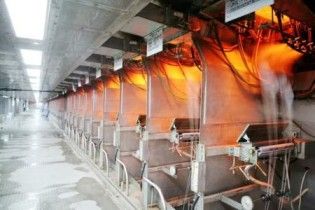
Why fiber glass manufacturing is important
Fiber glass manufacturing matters because it supports industries that rely on durable, lightweight, and energy-efficient materials. Its advantages include:
-
Strength-to-weight ratio: Fiber glass is lighter than steel but still strong enough for structural applications.
-
Corrosion resistance: It withstands moisture, chemicals, and environmental wear.
-
Thermal insulation: It reduces energy loss in buildings and industrial systems.
-
Electrical insulation: It is commonly used in electronic components.
The impact of fiber glass extends to many sectors:
-
Construction: Used in panels, roofing, insulation, and reinforcement.
-
Transportation: Found in aircraft interiors, car bodies, and boat hulls.
-
Renewable energy: Critical for making wind turbine blades.
-
Consumer goods: Utilized in sports equipment, pipes, and water tanks.
The manufacturing process also addresses sustainability challenges. By reducing reliance on heavy metals and providing recyclable components, fiber glass supports greener production practices.
Recent updates and industry trends
In recent years, fiber glass manufacturing has experienced significant changes.
-
2024 advancements in automation: Automated systems and robotics have improved fiber placement, reducing material waste and increasing precision.
-
Sustainable production methods: By mid-2025, several companies introduced recycled glass cullet as a raw material, lowering energy consumption in melting processes.
-
Wind energy growth: Demand for fiber glass in turbine blade production increased in 2024–2025, driven by renewable energy policies worldwide.
-
Health and safety improvements: New standards in 2024 highlighted better dust management during manufacturing to protect workers from respiratory risks.
-
Digital monitoring tools: Smart sensors now track furnace temperatures, resin usage, and curing times in real time.
These developments reflect a global shift toward cleaner, safer, and more efficient industrial practices.
Rules, policies, and regulations
Fiber glass manufacturing is influenced by environmental and safety regulations in many countries. These rules focus on air emissions, workplace health, and recycling practices.
-
United States: The Environmental Protection Agency (EPA) sets limits on volatile organic compounds (VOCs) released during fiber glass production. The Occupational Safety and Health Administration (OSHA) enforces worker safety guidelines.
-
European Union: The Registration, Evaluation, Authorisation, and Restriction of Chemicals (REACH) regulation governs the handling of resins and additives. Waste management laws encourage recycling of composite materials.
-
India: The Central Pollution Control Board (CPCB) monitors emissions from furnaces and requires treatment systems for waste gases.
-
Global standards: The International Organization for Standardization (ISO) has established benchmarks for material quality, safety, and environmental performance.
Compliance with these regulations not only ensures safer production but also enhances the credibility of manufacturers in international markets.
Helpful tools and resources for fiber glass knowledge
Learning and tracking fiber glass manufacturing involves specialized tools and platforms. Some useful resources include:
-
Glass Alliance Europe: Provides reports and sustainability data on glass industries.
-
Composite World Online: Offers case studies, technology updates, and material comparisons.
-
MatWeb Material Database: Contains detailed properties of fiber glass composites for research and design.
-
Engineering calculators: Online tools help estimate fiber orientation, tensile strength, and resin-to-fiber ratios.
-
Educational platforms: Websites like Coursera and edX feature materials science courses with modules on fiber glass.
-
Software tools: Simulation software such as ANSYS and COMSOL is widely used for analyzing fiber glass structures under stress and heat.
These resources are valuable for engineers, students, and industry professionals looking to expand their understanding.
Frequently asked questions about fiber glass manufacturing
What raw materials are used to produce fiber glass?
Fiber glass is mainly made from silica sand, soda ash, limestone, and recycled glass. These are melted at high temperatures and drawn into fine fibers.
Is fiber glass environmentally friendly?
Fiber glass is not fully biodegradable, but it can be recycled in certain forms. Recent innovations in recycling glass cullet have improved sustainability.
What safety precautions are needed in fiber glass manufacturing?
Workers must use protective clothing, masks, and ventilation systems to avoid skin irritation and inhalation of fine particles. Regulations require dust control and proper disposal of waste.
Where is fiber glass most commonly used?
It is widely used in construction materials, automotive and aerospace components, wind turbine blades, water pipes, insulation, and sports equipment.
What is the difference between fiber glass and carbon fiber?
Fiber glass is generally more affordable and corrosion-resistant, while carbon fiber offers higher strength and stiffness but at a higher production cost.
Conclusion
Fiber glass manufacturing combines science, technology, and industrial efficiency to produce one of the most versatile materials of modern times. From buildings to wind energy, its applications highlight both strength and sustainability. With advancements in automation, recycling, and safety standards, the industry is evolving to meet global needs responsibly.
Staying informed about regulatory changes, new technologies, and resource platforms allows researchers, manufacturers, and engineers to understand fiber glass in depth. As industries expand, fiber glass will continue to play a crucial role in shaping durable, efficient, and sustainable solutions for the future.