Light-emitting diodes (LEDs) are one of the most widely used lighting technologies today. Unlike traditional incandescent bulbs, which use a filament, or compact fluorescent lamps (CFLs), which rely on gas and mercury vapor, LEDs generate light by passing an electrical current through a semiconductor material. This process is more efficient and durable, making LEDs a preferred choice for homes, businesses, and even public infrastructure.
LED lighting exists because of the need for energy-efficient, long-lasting, and environmentally friendly alternatives to conventional lighting. Since their commercial introduction in the late 20th century, LEDs have rapidly evolved in brightness, color options, and affordability, becoming mainstream worldwide.
Importance
LED lights matter today for several reasons:
-
Energy savings: LEDs consume up to 80% less energy than traditional bulbs, reducing electricity bills.
-
Durability: LEDs last significantly longer—often 15,000 to 50,000 hours compared to around 1,000 for incandescent bulbs.
-
Environmental benefits: LEDs do not contain mercury (unlike CFLs), produce less heat, and reduce greenhouse gas emissions when widely adopted.
-
Versatility: They can be used in homes, offices, vehicles, street lighting, medical equipment, and even horticulture.
-
Global impact: For developing regions, LED-based solar lanterns provide affordable, safe lighting solutions where electricity access is limited.
This makes LED lighting a technology that affects individuals, businesses, governments, and the environment at large.
Recent Updates
Over the past year, several developments have shaped the LED industry:
-
Smart lighting integration (2024–2025): LEDs are increasingly paired with Internet of Things (IoT) systems, allowing remote control, automation, and voice assistant compatibility.
-
Improved efficiency: In 2024, manufacturers introduced LED chips with higher lumens-per-watt ratios, making them even more energy-efficient.
-
Horticulture growth lighting: By mid-2024, LEDs tailored for plant growth saw rapid adoption in urban farming and greenhouses, boosting controlled agriculture.
-
Sustainability initiatives: In early 2025, several governments promoted recycling programs for end-of-life LEDs, addressing e-waste concerns.
-
Price stability: After years of declining costs, LED prices stabilized in 2024 due to global supply chain adjustments, making affordability consistent across markets.
Laws or Policies
LED lighting is influenced by national and international energy regulations. Some key examples:
-
United States: The Department of Energy (DOE) enforces minimum efficiency standards for lighting. In 2023, new rules phased out most incandescent bulbs, effectively making LEDs the default option.
-
European Union: The EU Ecodesign Directive sets strict energy labeling requirements. As of 2023, halogen and inefficient fluorescent lamps were removed from the market, encouraging LED adoption.
-
India: The government promotes LEDs through the UJALA scheme, which has distributed hundreds of millions of affordable LED bulbs since 2015.
-
Global climate commitments: Many countries include LED adoption in their carbon reduction strategies, making LEDs part of broader sustainability policies.
Types of LED Lights
| Type | Description | Common Uses |
|---|---|---|
| Standard Bulbs | Shaped like traditional bulbs, fit into standard sockets. | Homes, offices |
| Tube Lights | Long and cylindrical, replacing fluorescent tubes. | Schools, hospitals, commercial spaces |
| Panel Lights | Flat, even light distribution. | Offices, conference rooms |
| Spotlights | Direct, focused beams of light. | Retail displays, galleries, outdoor use |
| Smart LEDs | Can change color, dim, or be controlled via apps/voice assistants. | Smart homes, entertainment |
| Industrial LEDs | High-intensity, durable designs. | Factories, warehouses |
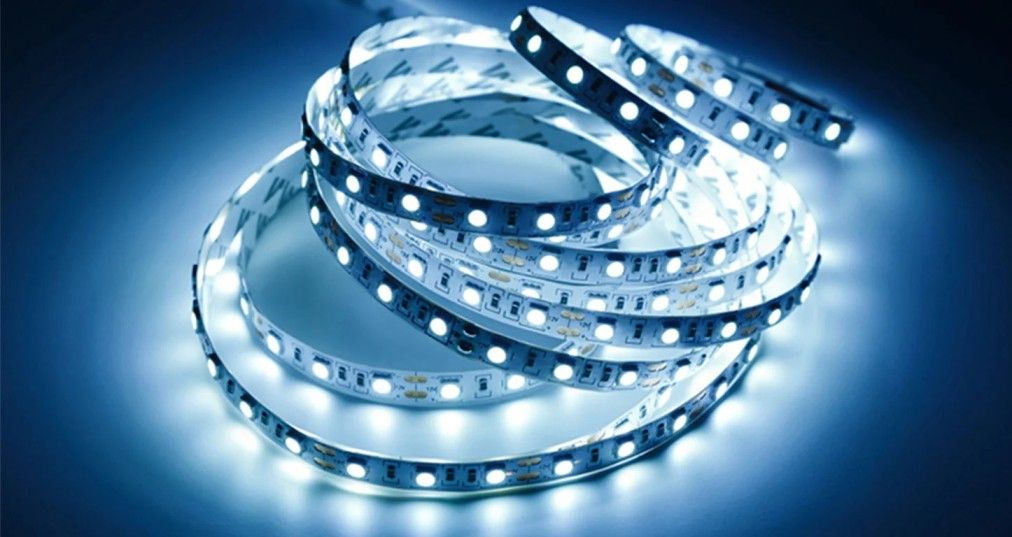
| Decorative LEDs | Flexible strips or specialized shapes. | Events, accent lighting, signage |
Uses and Benefits
LEDs can be applied almost everywhere:
-
Residential: Room lighting, kitchen counters, reading lamps.
-
Commercial: Office ceilings, retail stores, hotels.
-
Public spaces: Street lighting, parks, stadiums.
-
Automotive: Headlights, tail lamps, interior lighting.
-
Healthcare: Surgical lamps, UV sterilization units.
-
Agriculture: Indoor farming and greenhouse lighting.
Benefits in Summary:
-
High energy efficiency
-
Long lifespan
-
Low heat emission
-
Wide design flexibility
-
Safer (no mercury or glass filaments)
-
Better for the environment
Tools and Resources
Here are some resources that can help individuals and organizations make better use of LED lighting:
-
Energy Savings Calculators:
-
Local electricity provider calculators (many utilities provide online tools).
-
Government Programs:
-
UJALA (India) – affordable LED distribution.
-
ENERGY STAR (USA) – database of certified energy-efficient products.
-
-
Lighting Design Software:
-
DIALux (for architects and engineers).
-
Relux (for indoor and outdoor lighting planning).
-
-
Educational Resources:
-
International Energy Agency (IEA) reports on global lighting efficiency.
-
YouTube tutorials on safe LED installation.
-
FAQs
What makes LED lights different from traditional bulbs?
LEDs use semiconductors to produce light, whereas incandescent bulbs rely on filaments and CFLs use gases. This makes LEDs more efficient, longer-lasting, and safer.
How long do LED lights last?
Most LED bulbs last between 15,000 and 50,000 hours, depending on usage and quality. This is significantly longer than incandescent bulbs, which typically last about 1,000 hours.
Are LED lights safe for the eyes?
Standard household LEDs are safe. However, prolonged exposure to very high-intensity blue-rich LEDs may cause discomfort. Warm-white LEDs are often recommended for indoor use.
Do LEDs work with dimmer switches?
Not all LEDs are dimmable. To avoid flickering, users should purchase LED bulbs specifically labeled “dimmable” and pair them with compatible dimmer switches.
Can LED bulbs be recycled?
Yes, LEDs can be recycled, but they must be taken to specialized recycling facilities. Many governments and electronics stores now offer take-back programs.
Conclusion
LED lighting has transformed the way we illuminate homes, cities, and industries. From reducing global energy consumption to powering smart homes and sustainable agriculture, LEDs represent not only a technological advancement but also an environmental solution. As governments introduce stricter energy standards and as new innovations continue to emerge, LEDs are set to remain at the core of modern lighting for decades to come.