A Complete Guide to Industrial IoT Technology
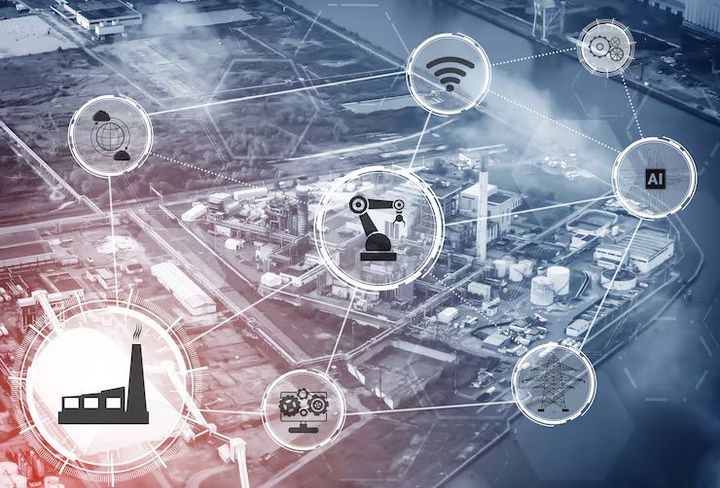
Industrial IoT is transforming the way industries operate by connecting machines, sensors, software, and analytics into one intelligent system. From manufacturing plants to logistics centers, connected devices are improving efficiency, monitoring equipment health, and supporting data-driven decisions. As industries continue to modernize, industrial IoT technology has become an important part of digital transformation strategies.
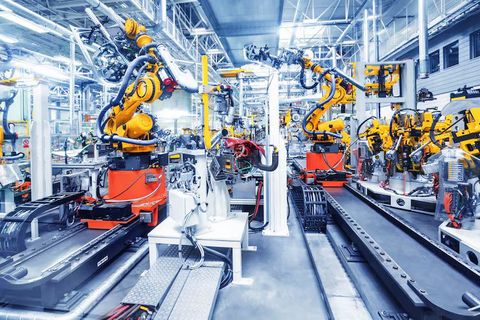
The growing use of industrial IoT in manufacturing is helping organizations reduce downtime, improve productivity, and monitor operations in real time. Smart factories are now using connected systems to collect data from machines and production lines, allowing managers to respond faster and improve overall performance.
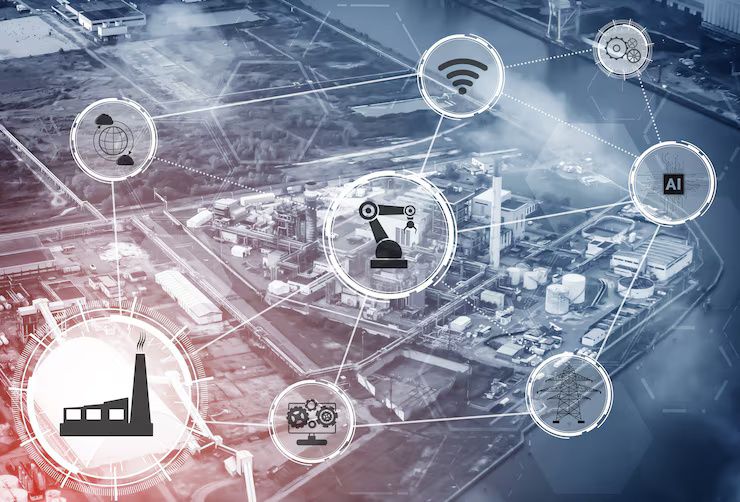
What Is Industrial IoT?
Industrial IoT, often called IIoT, refers to the use of connected devices and sensors in industrial environments. These devices communicate through networks and share operational data with centralized systems for analysis and automation.
Unlike consumer IoT devices such as smart home gadgets, industrial IoT systems are designed for complex environments like factories, energy plants, transportation systems, and warehouses. These systems focus on reliability, safety, and continuous monitoring.
Industrial IoT combines several technologies, including:
- Sensors and smart devices
- Cloud computing
- Artificial intelligence
- Edge computing
- Data analytics
- Machine-to-machine communication
Together, these technologies create intelligent systems capable of monitoring and improving industrial operations.
How Industrial IoT Works
Industrial IoT systems operate through a connected ecosystem of devices and software platforms. Sensors installed on equipment collect data such as temperature, pressure, vibration, humidity, or energy usage. The collected data is then transmitted through industrial IoT connectivity networks to centralized platforms for processing and analysis.
The system generally follows four main steps:
| Stage | Function |
|---|---|
| Data Collection | Sensors gather operational information |
| Data Transmission | Networks transfer data to platforms |
| Data Analysis | Software analyzes patterns and performance |
| Action & Automation | Systems trigger alerts or automated responses |
This continuous flow of information allows industries to monitor equipment performance and detect problems before they become major issues.
Importance of IoT in Manufacturing Industry
The use of IoT in manufacturing industry environments has increased rapidly because manufacturers require better operational visibility and efficiency. Smart sensors and connected machinery allow production teams to monitor processes in real time and identify areas that need improvement.
Industrial IoT in manufacturing supports predictive maintenance, which helps prevent equipment failure by analyzing machine behavior before breakdowns occur. This reduces unexpected downtime and improves production continuity.
Manufacturers also use industrial IoT technology to:
- Track inventory movement
- Improve supply chain visibility
- Monitor machine efficiency
- Reduce energy consumption
- Improve worker safety
- Enhance product quality control
Connected manufacturing systems create a smarter production environment where decisions are based on accurate real-time data.
Key Components of Industrial IoT Technology
Industrial IoT systems consist of several essential components that work together to create intelligent industrial environments.
Sensors and Smart Devices
Sensors are the foundation of industrial IoT systems. They collect operational data from equipment, machines, and industrial processes. Smart devices can measure variables such as temperature, vibration, motion, pressure, and energy usage.
These devices continuously generate valuable operational information that helps industries improve efficiency and detect abnormalities early.
Industrial IoT Connectivity
Industrial IoT connectivity is responsible for transferring data between devices, platforms, and control systems. Reliable communication networks are essential for maintaining stable industrial operations.
Common connectivity technologies include:
- Wi-Fi
- Ethernet
- 5G networks
- LPWAN
- Bluetooth
- Cellular networks
The choice of connectivity depends on factors such as distance, speed, reliability, and industrial environment requirements.
Data Analytics Platforms
Analytics platforms process and interpret the massive amount of data generated by industrial systems. These platforms use artificial intelligence and machine learning algorithms to identify patterns, predict maintenance needs, and improve operational performance.
Real-time dashboards help managers monitor operations and make informed decisions quickly.
Benefits of Industrial IoT
Industrial IoT technology provides many advantages across different industries. Organizations are using connected systems to improve operational efficiency, reduce waste, and increase productivity.
Improved Operational Efficiency
Connected machines provide continuous performance monitoring, allowing industries to identify inefficiencies quickly. Real-time monitoring helps reduce delays and optimize workflows.
Automation also reduces manual intervention in repetitive tasks, improving overall productivity.
Predictive Maintenance
One of the biggest benefits of industrial IoT in manufacturing is predictive maintenance. Sensors monitor machine conditions and identify signs of wear or malfunction before failure occurs.
This approach reduces equipment downtime and helps industries maintain consistent production schedules.
Better Energy Management
Industrial IoT systems help organizations monitor energy usage across facilities and production lines. Real-time energy monitoring allows companies to identify areas with excessive consumption and improve energy efficiency.
Enhanced Workplace Safety
Connected devices can monitor environmental conditions and equipment status to improve workplace safety. Sensors can detect hazardous conditions such as overheating, gas leaks, or equipment malfunctions.
Automated alerts allow safety teams to respond quickly and minimize operational risks.
Industrial IoT Security Challenges
Industrial IoT security is one of the most important concerns in connected industrial environments. Since IIoT systems involve connected networks and large volumes of operational data, they can become targets for cyber threats if not properly protected.
Industrial systems often operate continuously, making security interruptions difficult to manage. A successful cyberattack can affect production, safety, and operational stability.
Common industrial IoT security challenges include:
| Security Challenge | Impact |
|---|---|
| Unauthorized Access | Risk of system manipulation |
| Data Breaches | Exposure of sensitive information |
| Malware Attacks | Operational disruption |
| Weak Device Security | Vulnerable connected devices |
| Outdated Software | Increased cyber risk |
Organizations can improve industrial IoT security through:
- Network segmentation
- Device authentication
- Regular software updates
- Encryption protocols
- Continuous monitoring
- Employee cybersecurity training
Strong cybersecurity strategies are essential for maintaining reliable industrial operations.
Role of Edge Computing in Industrial IoT
Edge computing is becoming increasingly important in industrial IoT systems. Instead of sending all data to cloud servers, edge computing processes data closer to the source.
This approach reduces latency and improves response times for time-sensitive industrial operations. In manufacturing environments, quick processing is important for automation and real-time decision-making.
Edge computing also reduces bandwidth usage because only necessary data is transmitted to centralized systems.
Applications of Industrial IoT Across Industries
Industrial IoT technology is used across many sectors beyond manufacturing. Different industries are adopting connected systems to improve operational performance and efficiency.
Manufacturing
Industrial IoT in manufacturing enables smart factories with connected machines, predictive maintenance, and automated quality monitoring.
Energy and Utilities
Energy companies use industrial IoT systems to monitor power generation, transmission networks, and equipment performance. Sensors help improve efficiency and detect system failures quickly.
Transportation and Logistics
Connected tracking systems help logistics companies monitor vehicle conditions, shipment movement, and route efficiency in real time.
Healthcare
Industrial IoT supports healthcare environments through connected medical devices, equipment monitoring, and facility management systems.
Agriculture
Smart agriculture systems use sensors to monitor soil conditions, irrigation systems, and environmental factors for improved farming efficiency.
Future Trends in Industrial IoT Technology
Industrial IoT technology continues to evolve as industries adopt more advanced digital solutions. Several trends are shaping the future of connected industrial systems.
Artificial intelligence integration is helping industries automate complex decision-making processes. AI-powered analytics can identify patterns and improve predictive capabilities.
5G connectivity is also expected to improve industrial IoT connectivity by providing faster data transmission and lower latency. This will support real-time automation and large-scale device communication.
Digital twins are becoming more common in industrial environments. A digital twin is a virtual model of physical equipment or systems that allows organizations to simulate operations and monitor performance.
Sustainability initiatives are another major trend. Industries are using industrial IoT systems to reduce waste, monitor energy usage, and improve environmental efficiency.
Challenges in Industrial IoT Adoption
Although industrial IoT offers many advantages, implementation can involve several challenges.
Common challenges include:
- Integration with legacy systems
- High infrastructure complexity
- Data management issues
- Industrial IoT security concerns
- Connectivity limitations in remote locations
- Employee training requirements
Organizations must carefully plan deployment strategies to ensure successful integration and long-term operational stability.
Conclusion
Industrial IoT technology is reshaping modern industries by connecting machines, systems, and analytics into intelligent operational networks. From predictive maintenance to real-time monitoring, industrial IoT systems are helping organizations improve efficiency, safety, and productivity.
The adoption of IoT in manufacturing industry environments continues to grow as businesses seek smarter and more connected operations. Reliable industrial IoT connectivity, advanced analytics, and strong industrial IoT security practices are becoming essential for long-term industrial success.
As technologies such as artificial intelligence, edge computing, and 5G continue to advance, industrial IoT in manufacturing and other sectors will play an even greater role in shaping the future of industry.