A Complete Guide to Understanding the Basics of Astrology
Astrology is the study of how celestial bodies—such as the Sun, Moon, and planets—appear to correspond with human life and natural events. It has existed for thousands of years across different cultures, from Babylonian sky maps to Indian Vedic astrology and Western zodiac systems. The word “astrology” comes from the Greek roots astron (star) and logos (reason), meaning “study of the stars.”
Historically, astrology was used to track seasons, plan agriculture, and align rituals with celestial movements. Over time, it evolved into a symbolic system that connects cosmic patterns with human experience.
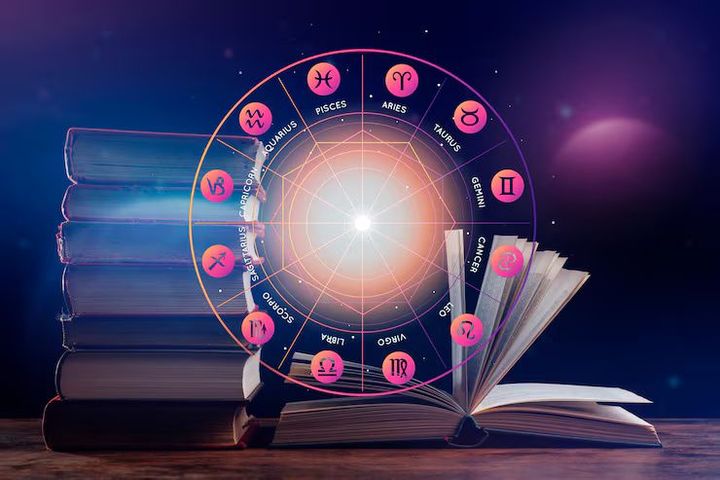
The zodiac divides the sky into twelve equal parts, each associated with specific traits and tendencies. Today, astrology is widely explored for cultural, psychological, and spiritual understanding, especially through digital platforms.
Importance of Understanding Astrology
Astrology remains relevant in modern society for a variety of cultural and personal reasons. It is often used as a reflective and interpretive tool rather than a predictive system.
Cultural Relevance
Astrology is deeply embedded in global traditions and appears frequently in media, literature, and everyday conversations. It continues to influence how people interpret personality and life events.
Self-Reflection
Many individuals use astrology to explore their personality traits and emotional patterns. It offers a symbolic framework for understanding oneself.
Social Connection
Astrology creates shared discussions and connections across communities, especially on digital platforms. It acts as a common language for curiosity and engagement.
Personal Planning
Some people refer to astrological calendars for guidance when planning activities such as travel or study. These are typically used as reflective tools rather than fixed rules.
Psychological Insight
Modern astrology emphasizes mindfulness and self-awareness. It is often presented as a way to reflect on life patterns rather than predict outcomes.
Recent Trends in Astrology (2024–2025)
Astrology has seen rapid development in recent years, largely due to technological and social changes. These trends highlight its growing accessibility and evolving role.
Key Developments
- Integration of AI-powered astrology apps for instant birth chart generation
- Increased interest in cross-cultural systems (Western, Vedic, Chinese)
- Focus on ethical and mindful astrology practices
- Growth of astrology content on social media platforms
- Rising enrolment in academic and online learning programs
Recent Astrology Trends Overview
| Year | Trend | Impact |
|---|---|---|
| 2024 | AI-based astrology apps | Simplifies chart reading for beginners |
| 2024 | Ethical astrology discussions | Encourages responsible interpretation |
| 2025 | Cross-system astrology studies | Expands global understanding |
| 2025 | Data privacy focus in astrology apps | Promotes safer handling of personal data |
| 2025 | Growth in online workshops | Increases accessibility to learning |
Laws and Policies Related to Astrology
Although astrology is not strictly regulated as a belief system, it intersects with several legal and ethical frameworks. These help ensure transparency and user protection.
Key Regulatory Areas
- Consumer protection laws requiring truthful communication
- Advertising guidelines preventing guaranteed or misleading claims
- Data privacy laws for handling personal birth data
- Educational recognition under cultural or traditional studies
- Digital content regulations for responsible publishing
Tools and Resources for Learning Astrology
A wide range of tools and resources are available for beginners and learners. These support structured and interactive exploration of astrology concepts.
Popular Astrology Apps
- TimePassages for detailed natal chart analysis
- AstroMatrix for real-time planetary tracking
- Co-Star for AI-based personalized insights
- The Pattern for psychological interpretation
Websites and Calculators
- Astro.com for chart calculations and learning materials
- AstroSeek.com for free tools and calendars
- CafeAstrology.com for beginner-friendly guides
Learning Materials
- Glossaries explaining zodiac signs, planets, and houses
- Online communities for discussion and interpretation
- Books covering foundational astrology concepts
- Academic resources exploring historical and cultural aspects
FAQs About Astrology
What is the main idea behind astrology?
Astrology is based on the symbolic relationship between celestial positions and human experience. It reflects patterns rather than causing events.
What are zodiac signs?
Zodiac signs divide the sky into twelve sections, each representing unique symbolic traits. They correspond to seasonal cycles and constellations.
What is a natal chart?
A natal chart is a map of planetary positions at the time of birth. It is used to interpret personality patterns and tendencies.
Is astrology scientific?
Astrology is not considered a science because it lacks empirical testing. It is viewed as a symbolic and cultural framework.
Can astrology guide decisions?
Astrology is best used for reflection rather than decision-making. Practical reasoning and professional advice should always be prioritized.
Conclusion
Astrology continues to bridge ancient traditions with modern technology. Understanding its core elements—zodiac signs, planets, and charts—helps individuals explore its symbolic depth without confusion.
Recent developments, including digital tools and ethical awareness, have reshaped how astrology is practiced and understood. With proper context and responsible use, astrology remains a meaningful way to explore human curiosity and connection to the cosmos.