A Complete Guide to Understanding the Moving Process
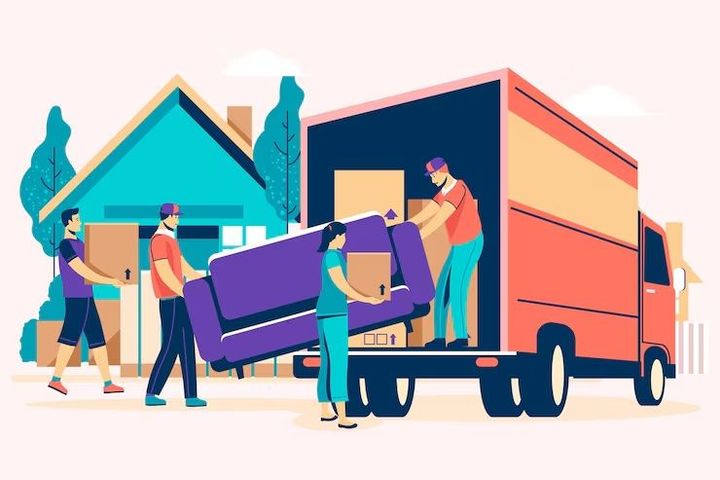
The moving process refers to the organized steps involved in relocating personal belongings or business assets from one location to another. It exists to ensure an efficient and secure transition, whether moving within a city, across states, or internationally.
Moving has long been part of human life, historically driven by trade, work, and family needs. Today, it reflects modern influences such as remote work, urban development, and lifestyle preferences.
The moving process typically includes planning, packing, transportation, and resettling. With the integration of technology, relocation has become more structured, efficient, and data-driven.
Key Stages of the Moving Process
| Stage | Description |
|---|---|
| Planning | Assess timelines, inventory, and destination needs |
| Preparation | Sort, label, and secure belongings |
| Transportation | Ensure safe handling and movement of goods |
| Unpacking and Setup | Organize items at the new location |
Importance of the Moving Process
The moving process plays a crucial role in both personal and professional life. It supports transitions such as career changes, education, and business expansion.
Why It Matters Today
- Supports urban growth and expanding cities
- Enables global mobility and cross-border relocation
- Encourages sustainable and eco-friendly practices
- Leverages technology for improved tracking and efficiency
- Facilitates flexible work arrangements and relocation options
A well-organized move reduces stress, prevents damage, and ensures a smoother transition to a new environment.
Recent Trends in the Moving Process (2024–2025)
The moving industry has evolved with new technologies and sustainability initiatives. These trends focus on efficiency, transparency, and environmental responsibility.
Key Trends and Benefits
| Trend | Description | Benefit |
|---|---|---|
| Smart Inventory Systems | AI tools track and categorize items | Improves accuracy and organization |
| Eco-Friendly Packaging | Use of recyclable and biodegradable materials | Reduces environmental impact |
| Digital Tracking | GPS and cloud-based shipment monitoring | Enhances transparency and reliability |
| Remote Consultations | Virtual assessments via video tools | Saves time and increases convenience |
| Data-Based Route Planning | AI optimizes travel routes | Reduces cost and improves efficiency |
Additional innovations include modular moving systems and IoT-enabled logistics for monitoring sensitive goods during transport.
Laws and Policies Affecting the Moving Process
Relocation activities are governed by various regulations to ensure safety, transparency, and compliance. These laws protect both consumers and service providers.
Key Regulatory Areas
- Transportation safety laws for vehicles and cargo
- Consumer protection regulations for contracts and liability
- Environmental policies promoting sustainable practices
- Customs and import/export regulations for international moves
- Data privacy laws for digital coordination and documentation
Recent policies also promote low-emission transport and digital processing systems to improve efficiency and sustainability.
Tools and Resources for the Moving Process
Modern tools simplify planning, organization, and execution of relocation. These resources help reduce stress and improve coordination.
Useful Tools
| Tool Type | Function | Examples |
|---|---|---|
| Planning Apps | Manage checklists and schedules | Todoist, Trello |
| Inventory Tools | Track and label belongings | Sortly, Moving Organizer |
| Mapping Tools | Optimize routes and navigation | Google Maps, Waze |
| Document Storage | Store important files securely | Dropbox, Evernote |
| Sustainability Tools | Measure environmental impact | EcoMove Planner |
| Government Portals | Provide legal and regulatory information | National transport sites |
Additional Resources
- Online relocation guides for different regions
- Digital floor planning tools for layout visualization
- Home inventory creators for insurance tracking
- Address-change and utility-transfer checklists
FAQs About the Moving Process
What are the basic steps in moving?
The main steps include planning, packing, transportation, and unpacking. Each stage requires organization and coordination.
How long does the moving process take?
The duration depends on distance and complexity. Local moves may take a few days, while international relocations can take several weeks.
What ensures a smooth relocation?
Proper planning, clear labeling, scheduling, and understanding regulations help prevent delays and damage.
How does technology help in moving?
Tools like GPS tracking, inventory systems, and route optimization apps improve accuracy and provide real-time updates.
What are eco-friendly moving practices?
Using recyclable materials, reducing trips, and choosing low-emission transport options support sustainable relocation.
Conclusion
The moving process is a structured approach that combines planning, logistics, and technology to ensure safe and efficient relocation. It supports both personal transitions and business operations.
With advancements such as AI-driven tools, digital tracking, and sustainable practices, modern moving has become more efficient and transparent. By understanding the process and using the right resources, individuals and organizations can achieve smoother and more reliable relocation experiences.

You May Also Like