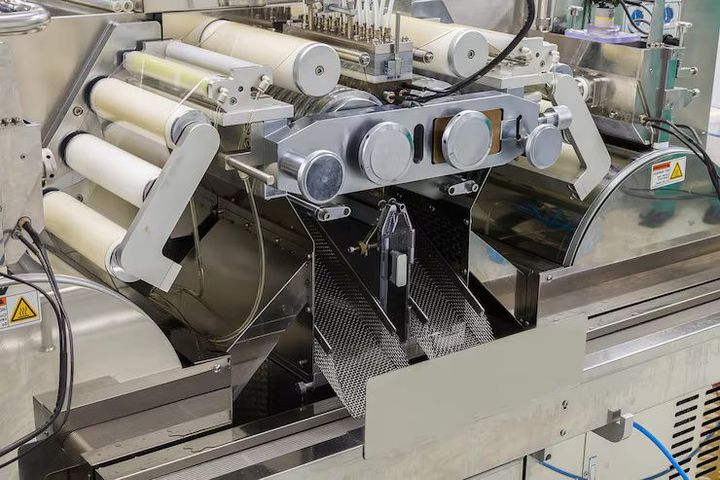
A Complete Guide to Wrapping Machines: Features and Uses
Wrapping machines play a crucial role in modern packaging processes across industries. From protecting products during storage to ensuring safe transportation, these machines help maintain product quality and efficiency. Whether it is a small warehouse or a large manufacturing facility, the use of a wrapping machine can streamline operations and reduce manual effort.
This guide explores the fundamentals of wrapping machines, their types, features, and practical uses. It also explains how businesses can understand different systems like shrink wrapper and stretch wrapper solutions without getting overwhelmed by technical details.
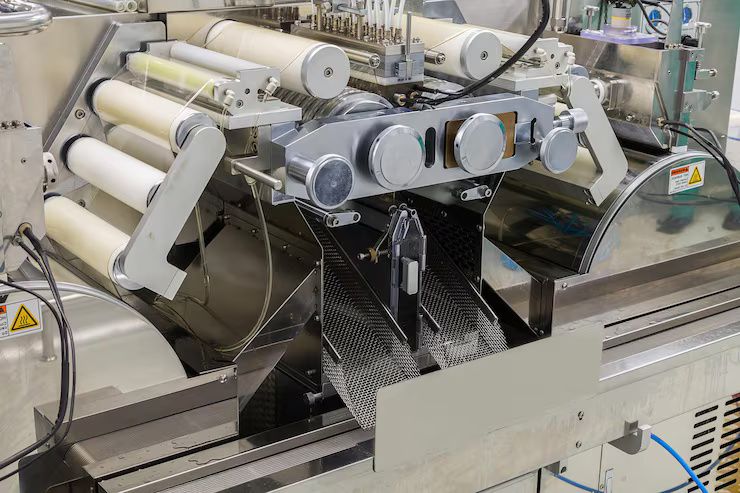
Understanding Wrapping Machines
A wrapping machine is designed to cover products or packages with protective material such as plastic film. This process helps secure items, prevent damage, and improve handling efficiency. These machines are commonly used in industries like food processing, pharmaceuticals, logistics, and manufacturing.
There are several variations, including shrink wrapper systems and stretch wrappers, each designed for specific applications. The main goal remains the same: to provide stability and protection during storage or transit.
Wrapping machines can operate manually, semi-automatically, or fully automatically depending on the scale of operations. An automatic pallet wrapper, for example, is ideal for high-volume environments where speed and consistency are important.
Types of Wrapping Machines
Shrink Wrapping Machines
Shrink wrapper machines use heat to shrink a plastic film tightly around a product. The film is first loosely applied, then heated so it conforms closely to the item’s shape.
These machines are widely used for:
- Packaging food items like bottles or trays
- Bundling products together
- Protecting items from dust and moisture
Shrink wrapping provides a clean and professional appearance, making it suitable for retail packaging.
Stretch Wrapping Machines
Stretch wrappers use stretchable plastic film to wrap around products, usually on pallets. The film is stretched as it is applied, which helps secure items tightly.
Common uses include:
- Stabilizing pallet loads
- Preventing shifting during transport
- Protecting goods from environmental exposure
Stretch wrappers are particularly useful in logistics and warehouse operations.
Automatic Pallet Wrappers
An automatic pallet wrapper is designed to wrap palletized goods without manual intervention. These machines are equipped with rotating platforms or robotic arms that apply film efficiently.
They are commonly used in:
- Large distribution centers
- Manufacturing plants
- Export packaging operations
Automation improves consistency and reduces labor requirements.
Semi-Automatic Wrappers
Semi-automatic machines require some level of human involvement, such as placing the pallet or initiating the wrapping cycle. They are suitable for medium-scale operations where full automation may not be necessary.
Specialized Wrappers
Some wrapping machines are designed for specific industries or products, such as:
- Horizontal wrapping machines for long items
- Orbital wrappers for pipes or rods
- Custom systems for fragile goods
Key Features of Wrapping Machines
Wrapping machines come with various features that enhance efficiency and usability. Understanding these features can help in selecting the right equipment for different applications.
Here are some important features:
- Adjustable film tension control for secure wrapping
- Variable speed settings to match production needs
- User-friendly control panels for easy operation
- Safety mechanisms to prevent accidents
- Energy-efficient systems for reduced power consumption
Advanced machines may also include programmable settings, allowing operators to customize wrapping patterns for different products.
Comparison of Common Wrapping Machine Types
Below is a simple comparison to help understand different wrapping systems:
| Machine Type | Application Area | Key Advantage | Typical Use Case |
|---|---|---|---|
| Shrink Wrapper | Retail and food packaging | Tight and neat packaging | Bottles, trays, consumer goods |
| Stretch Wrapper | Logistics and warehousing | Load stability | Palletized goods |
| Automatic Pallet Wrapper | Large-scale operations | High efficiency | Distribution centers |
| Semi-Automatic Wrapper | Medium-scale operations | Flexibility | Small warehouses |
| Specialized Wrappers | Niche industries | Custom solutions | Pipes, furniture, long items |
This table highlights how each type of wrapping machine serves a unique purpose depending on operational needs.
Applications Across Industries
Wrapping machines are widely used across multiple industries due to their versatility. Their ability to protect products and improve efficiency makes them an essential part of modern packaging systems.
Manufacturing Industry
In manufacturing, wrapping machines help secure finished goods before storage or shipment. Stretch wrappers are commonly used to stabilize pallet loads and prevent damage during transportation.
Food and Beverage Industry
Shrink wrapper machines are often used to package food products. They help maintain hygiene and extend shelf life by protecting items from external contaminants.
Logistics and Warehousing
In logistics, automatic pallet wrapper systems ensure that goods are securely wrapped for transport. This reduces the risk of shifting or damage during handling.
Pharmaceutical Industry
Wrapping machines are used to maintain product integrity and ensure compliance with packaging standards. Shrink wrapping is particularly useful for tamper-evident packaging.
Retail Sector
Retail products often use shrink wrapping for a clean and professional presentation. It also helps bundle items together for easier handling.
Benefits of Using Wrapping Machines
Using a wrapping machine offers several advantages that improve operational efficiency and product safety.
Some key benefits include:
- Enhanced product protection during transit
- Improved load stability and reduced damage
- Faster packaging processes compared to manual methods
- Consistent wrapping quality
- Reduced material waste through controlled film usage
These benefits contribute to smoother operations and better overall productivity.
Choosing the Right Wrapping Machine
Selecting the right wrapping machine depends on several factors, including the type of products, production volume, and operational requirements.
Consider the following when choosing a machine:
- Nature of the product: fragile, heavy, or irregular shapes
- Volume of packaging required daily
- Available space in the facility
- Level of automation needed
- Type of wrapping material to be used
For example, a high-volume warehouse may benefit from an automatic pallet wrapper, while a smaller setup may find a semi-automatic stretch wrapper more suitable.
Maintenance and Best Practices
Proper maintenance ensures that wrapping machines operate efficiently and have a longer lifespan. Regular inspection and care can prevent unexpected downtime.
Here are some best practices:
- Clean the machine regularly to remove dust and debris
- Check film rollers and tension settings periodically
- Inspect electrical components for any issues
- Lubricate moving parts as recommended
- Train operators on correct usage procedures
Following these practices helps maintain consistent performance and reduces the risk of breakdowns.
Future Trends in Wrapping Technology
The packaging industry continues to evolve with advancements in technology. Wrapping machines are becoming more efficient and environmentally friendly.
Some emerging trends include:
- Smart machines with automated controls and monitoring
- Integration with digital systems for better tracking
- Use of sustainable and recyclable wrapping materials
- Energy-efficient designs to reduce environmental impact
These innovations are shaping the future of wrapping machines and improving overall packaging efficiency.
Conclusion
Wrapping machines have become an essential part of modern packaging systems. From shrink wrapper solutions for retail products to stretch wrappers for palletized goods, these machines provide reliable and efficient packaging options.
Understanding the different types, features, and applications of wrapping machines helps businesses make informed decisions. Whether it is a small operation or a large-scale facility, choosing the right system can improve productivity, reduce damage, and enhance overall efficiency.
As industries continue to grow, wrapping machines will remain a key component in ensuring safe and effective product handling.

You May Also Like