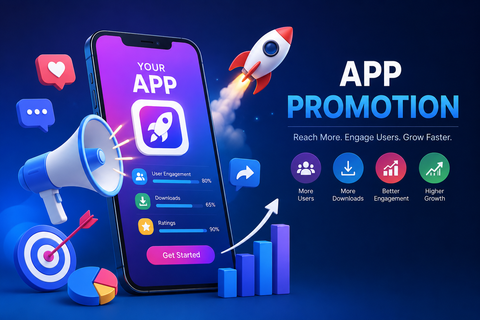
A Comprehensive Guide to Digital Marketing Strategies and Methods
Digital marketing refers to the use of online platforms, digital technologies, and data-driven strategies to communicate with audiences. It involves using tools such as search engines, social media, websites, and email to reach and engage users. The concept began evolving in the late 1990s as internet access became widespread and e-commerce started to grow.
Digital marketing has evolved from simple online ads and email campaigns into a comprehensive ecosystem that includes search engine optimization (SEO), content marketing, social media, pay-per-click (PPC) advertising, and influencer collaborations. This shift reflects a transition from product-focused strategies to consumer-centric approaches powered by data and technology.
Today, digital marketing focuses on building long-term engagement, trust, and meaningful communication with audiences across multiple platforms.
Importance of Digital Marketing
Digital marketing plays a vital role in modern communication, influencing how individuals, organizations, and institutions share information and make decisions.
It impacts sectors such as education, healthcare, finance, retail, and government communication.
Key Reasons for Importance
- Reach global audiences through widespread internet connectivity
- Enable data-driven decision-making using analytics
- Provide cost-effective and measurable communication channels
- Support career development and digital literacy
- Promote inclusivity by removing geographic barriers
With billions of internet users worldwide, digital marketing enables organizations of all sizes to connect with audiences efficiently.
Recent Updates in Digital Marketing (2024–2025)
The digital marketing landscape continues to evolve rapidly with new technologies and user expectations.
AI-Driven Personalization
Artificial intelligence is used to analyze user behavior, predict interests, and create personalized marketing campaigns.
Privacy-Focused Advertising
With the decline of third-party cookies, marketers are shifting toward first-party data and consent-based tracking systems.
Growth of Short-Form Video
Platforms like TikTok, Instagram Reels, and YouTube Shorts dominate engagement, with video expected to account for most internet traffic.
Voice and Visual Search
Search optimization now includes conversational queries and image-based searches using AI tools.
Content Authenticity
Audiences prefer transparent, accurate, and well-researched content, increasing the importance of credibility.
Omnichannel Marketing
Integrated communication across email, social media, websites, and messaging platforms ensures a seamless user experience.
Key Trends Overview
| Trend (2024–2025) | Description |
|---|---|
| AI Personalization | Tailored campaigns using data insights |
| Privacy Advertising | Consent-based data collection |
| Short-Form Video | High engagement video content |
| Voice & Visual Search | New search behavior optimization |
| Content Authenticity | Focus on transparency and trust |
| Omnichannel Strategy | Integrated cross-platform communication |
Laws and Policies
Digital marketing is governed by regulations that ensure privacy, transparency, and ethical communication.
General Data Protection Regulation (GDPR)
Protects user data and requires clear consent for data collection and marketing use.
Digital Personal Data Protection Act (India, 2023)
Ensures user privacy, regulates data collection, and imposes penalties for misuse.
CAN-SPAM Act (U.S.)
Sets rules for email marketing, including transparency and opt-out options.
Advertising Standards Council of India
Ensures advertisements are truthful and comply with ethical standards.
COPPA (U.S.)
Protects children’s online data and limits targeted marketing toward minors.
Platform Policies
Platforms like Google, Meta, and LinkedIn enforce advertising guidelines to prevent misleading or harmful content.
Tools and Resources
Various tools help create, manage, and analyze digital marketing strategies.
Analytics and Measurement Tools
- Google Analytics
- Adobe Analytics
SEO and Research Tools
- Ahrefs
- SEMrush
- Moz
Social Media Management Tools
- Buffer
- Hootsuite
- Later
Content and Design Tools
- Canva
- Grammarly
- SurferSEO
Advertising Platforms
- Google Ads
- Meta Ads
- LinkedIn Campaign Manager
AI and Automation Tools
- ChatGPT
- Jasper
- HubSpot AI
Tools Overview
| Tool Category | Examples |
|---|---|
| Analytics | Google Analytics, Adobe Analytics |
| SEO | Ahrefs, SEMrush, Moz |
| Social Media | Buffer, Hootsuite |
| Content Creation | Canva, Grammarly |
| Advertising | Google Ads, Meta Ads |
| AI Tools | ChatGPT, Jasper |
These tools support data-driven strategies, automation, and effective communication.
Frequently Asked Questions
What are the main types of digital marketing?
SEO, content marketing, social media marketing, PPC advertising, email marketing, and influencer marketing are key strategies.
How has AI changed digital marketing?
AI enables automation, predictive analytics, and personalized user experiences, improving efficiency and engagement.
Why is data privacy important?
It ensures user control over personal data, builds trust, and complies with legal regulations.
What skills are needed for digital marketing?
Skills include analytics, content creation, SEO, social media management, and understanding digital tools.
Can small businesses benefit from digital marketing?
Yes. With affordable tools and targeted strategies, small organizations can effectively reach global audiences.
Conclusion
Digital marketing is a dynamic and data-driven approach to modern communication. It has transformed how organizations connect with audiences and deliver information.
With advancements in AI, privacy-focused strategies, and omnichannel integration, digital marketing continues to evolve. Understanding its tools, regulations, and trends helps individuals and organizations communicate effectively and responsibly in a digital-first world.