A Comprehensive Guide to Understanding How Vending Machines Work
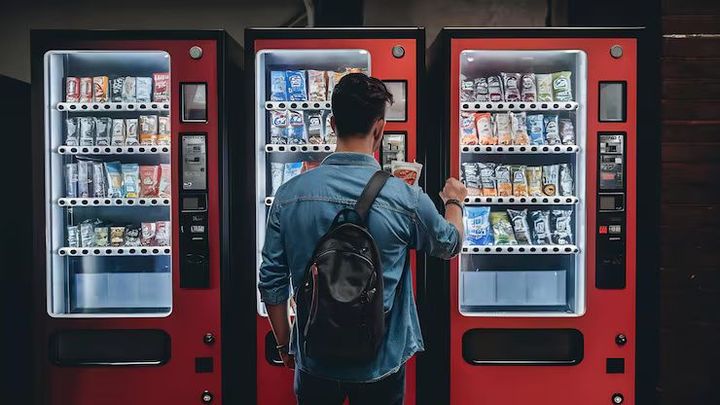
Vending machines are automated systems designed to dispense products such as snacks, beverages, and other small items after payment is made. They operate without human supervision, combining mechanical, electronic, and software components to provide convenient access to goods in public and private spaces.
Vending machines have evolved from simple coin-operated devices into advanced automated retail systems. The earliest example dates back to ancient times when Hero of Alexandria created a coin-operated device to dispense holy water. Today, vending machines use digital interfaces, sensors, and smart technologies to deliver products efficiently.
Modern vending machines function as micro-retail hubs, offering 24/7 access to goods while integrating cashless payments, real-time connectivity, and data analytics.
Importance of Vending Machines
Vending machines play a significant role in modern urban infrastructure by providing convenience and efficiency. They are widely used in locations such as hospitals, airports, schools, and workplaces.
They support both consumers and businesses in multiple ways.
Key Reasons for Importance
- Provide 24/7 access to products without staff
- Support contactless and hygienic transactions
- Improve retail automation and operational efficiency
- Enable real-time inventory tracking and management
- Promote energy-efficient and sustainable solutions
They also reflect the growing shift toward unmanned retail and smart commerce systems.
Recent Updates in Vending Technology (2024–2025)
Recent advancements highlight how vending machines are becoming smarter and more user-focused.
AI-Powered Inventory Systems
Machines now use artificial intelligence to predict demand and optimize stock levels.
Cashless and Digital Payments
Widespread adoption of NFC, mobile wallets, and even cryptocurrency payments improves convenience.
Sustainable Design
Eco-friendly materials, low-energy refrigeration, and solar-powered units are becoming more common.
Smart Interfaces
Touchscreens and digital displays offer product recommendations and interactive experiences.
IoT-Based Remote Monitoring
Operators can monitor machine performance, temperature, and inventory in real time.
Personalized User Experience
Some machines use AI and facial recognition to suggest products based on user preferences.
Key Trends Overview
| Trend (2024–2025) | Description |
|---|---|
| AI Inventory | Predictive stock management |
| Cashless Payments | Contactless and digital transactions |
| Sustainability | Energy-efficient and eco-friendly machines |
| Smart Interfaces | Interactive displays and recommendations |
| IoT Monitoring | Real-time machine tracking |
| Personalization | AI-driven user experience |
Laws and Policies
Vending machines operate under regulations that ensure safety, hygiene, and consumer protection.
Food Safety Regulations
Authorities such as the Food and Drug Administration require proper labeling and safe storage of food products.
Electrical and Safety Standards
Machines must comply with international standards like ISO 9001 and CE marking to ensure safety and performance.
Data Protection Laws
Regulations such as the General Data Protection Regulation and PCI DSS ensure secure handling of digital payments and user data.
Accessibility Requirements
Guidelines like the Americans with Disabilities Act ensure machines are usable for individuals with disabilities.
Environmental Standards
Programs like Energy Star promote energy-efficient vending machines with reduced power consumption.
Tools and Resources
Various tools support vending machine management and optimization.
Digital Management Platforms
- Cantaloupe Systems for real-time analytics
- VendSoft for inventory and route management
- VendingMetrics for AI-driven performance insights
Payment and Connectivity Tools
- Nayax systems for digital payments
- IoT telemetry solutions for remote monitoring
Compliance and Regulatory Resources
- Government portals (FDA, FSA, ISO, EPA)
- Industry standards documentation
- Safety and maintenance guidelines
Tools Overview
| Tool / Platform | Purpose |
|---|---|
| Cantaloupe Systems | Analytics and monitoring |
| VendSoft | Inventory and operations management |
| VendingMetrics | Data insights and performance tracking |
| Nayax | Cashless payment integration |
| IoT Tools | Remote monitoring and diagnostics |
These tools help improve efficiency, reduce downtime, and ensure compliance.
Frequently Asked Questions
How does a vending machine work?
It detects payment through electronic validators and releases products using motors and sensors.
Are vending machines energy-efficient?
Yes. Modern machines use LED lighting, efficient compressors, and standby modes to reduce energy consumption.
What products can vending machines dispense?
They can provide snacks, beverages, electronics, personal care items, and even medical supplies.
How do smart vending machines use data?
They analyze sales and customer behavior to optimize inventory and improve user experience.
Are vending machines safe to use?
Yes. They follow strict safety, hygiene, and data protection regulations.
Conclusion
Vending machines have transformed into intelligent, automated retail systems that combine convenience, technology, and efficiency. They play an important role in modern commerce and public infrastructure.
With advancements in AI, IoT, and sustainability, vending technology continues to evolve. Understanding their features, regulations, and tools helps ensure efficient, safe, and user-friendly automated retail experiences in the future.