A Comprehensive Guide to Understanding Modern Water Purification Systems
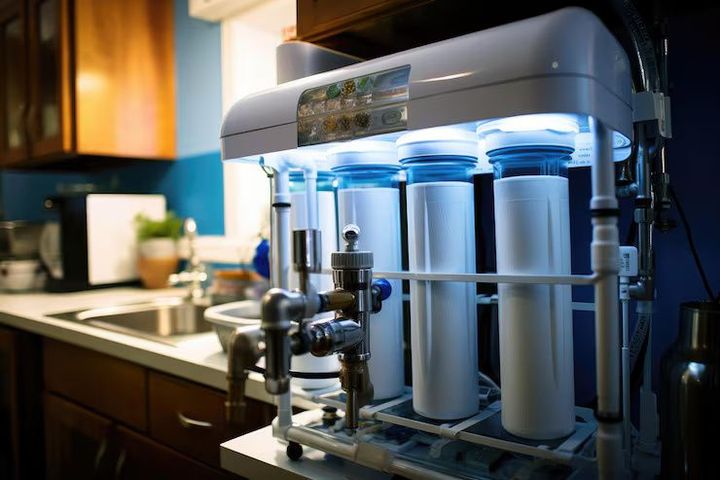
Water purification systems are technological solutions designed to remove impurities, microorganisms, and chemical contaminants from water to make it safe for human consumption and other uses. These systems have evolved over decades to address growing concerns about water quality, pollution, and sustainability.
Water purification has evolved from simple filtration methods like sand and charcoal to advanced technologies such as reverse osmosis (RO), ultraviolet (UV) disinfection, and nanotechnology-based systems. These modern solutions remove not only visible impurities but also microscopic contaminants, including bacteria, viruses, heavy metals, and dissolved salts.
With increasing urbanization, industrial activity, and population growth, the demand for reliable and sustainable water purification systems has become more important than ever.
Importance of Water Purification Systems
Clean water is essential for human health, agriculture, and industrial processes. However, billions of people worldwide still lack access to safe drinking water.
Water purification systems play a crucial role in addressing this challenge.
Key Reasons for Importance
- Prevent waterborne diseases such as cholera and typhoid
- Remove harmful bacteria, viruses, and chemical contaminants
- Support sustainable water reuse in industries and communities
- Improve agricultural productivity through safe irrigation
- Enhance social and economic development in underserved regions
These systems contribute directly to global goals such as clean water access and environmental sustainability.
Recent Updates in Water Purification (2024–2025)
Recent innovations highlight how technology is transforming water treatment systems.
Nanofiltration and Graphene Membranes
Advanced membranes filter microscopic pollutants more efficiently than traditional systems.
Smart Monitoring Systems
IoT-enabled sensors track water quality in real time and provide data through mobile apps or control systems.
Zero-Liquid-Discharge (ZLD) Technology
Industries are adopting systems that eliminate wastewater discharge, promoting sustainability.
Solar-Powered Purification
Renewable energy-based systems are being deployed in water-scarce regions to reduce dependency on conventional power sources.
AI-Based Water Management
Artificial intelligence helps optimize purification processes and predict contamination patterns.
Portable Purification Devices
Compact systems are increasingly used in rural areas and emergency situations for immediate access to clean water.
Key Trends Overview
| Trend (2024–2025) | Description |
|---|---|
| Nanofiltration | High-efficiency pollutant removal |
| Smart Monitoring | Real-time water quality tracking |
| ZLD Systems | Zero wastewater discharge |
| Solar Purification | Renewable energy-powered systems |
| AI Integration | Intelligent contamination detection |
| Portable Systems | Compact and mobile purification units |
Laws and Policies
Water purification is governed by international and national regulations to ensure safety and sustainability.
World Health Organization Guidelines
Provide global standards for safe drinking water quality.
Safe Drinking Water Act
Sets limits on contaminants and ensures public water system safety.
European Drinking Water Directive
Requires monitoring and management of water quality across EU member states.
Bureau of Indian Standards (BIS) IS 10500
Defines acceptable limits for drinking water quality in India.
Clean Water Act
Regulates pollution discharge into water bodies and supports wastewater treatment improvements.
UN Sustainable Development Goal 6
Focuses on ensuring access to clean water and sanitation worldwide.
Tools and Resources
Various tools support water quality monitoring and purification system management.
Water Testing and Monitoring Tools
- EPA Water Quality Data Portal for real-time data
- Aquagenx Compartment Bag Test for bacterial detection
Data and Analysis Tools
- Google Earth Engine for tracking water resources
- EPANET for modeling water distribution systems
Educational and Community Resources
- Coursera and edX courses on water management
- UNICEF WASH program for community-level solutions
Awareness and Global Initiatives
- World Water Day (March 22) for promoting water safety
Tools Overview
| Tool / Resource | Purpose |
|---|---|
| EPA Data Portal | Monitor water quality data |
| Aquagenx CBT | Detect bacterial contamination |
| Google Earth Engine | Track water resources |
| EPANET | Model water systems |
| UNICEF WASH | Community water solutions |
These resources help improve access, monitoring, and management of clean water systems.
Frequently Asked Questions
What are common water purification methods?
Common methods include reverse osmosis (RO), UV disinfection, ultrafiltration, and activated carbon filtration.
How do purification systems improve health?
They remove harmful contaminants, reducing the risk of diseases and long-term health issues.
Are purification systems environmentally friendly?
Modern systems are becoming more sustainable, though some traditional methods may waste water.
What role does technology play?
Technology enables automation, real-time monitoring, and AI-driven optimization of purification processes.
What is the future of water purification?
Future trends include renewable energy-powered systems, smart monitoring, and decentralized purification solutions.
Conclusion
Water purification systems are essential for ensuring access to safe and clean water. They play a vital role in public health, environmental sustainability, and economic development.
With advancements in nanotechnology, AI, and renewable energy, water purification continues to evolve. Understanding these systems and their regulations helps ensure a healthier and more sustainable future for communities worldwide.