A Comprehensive Overview of Air Conditioning Function, Care, and Efficiency
Air conditioning systems have become an essential part of modern life, providing comfort in homes, workplaces, hospitals, and vehicles. They exist to regulate indoor temperature, control humidity, and improve air quality, creating a stable environment regardless of outdoor conditions.
Air conditioning technology dates back to the early 20th century, when systems were first developed to control indoor climate efficiently. Modern air conditioners now incorporate sensors, smart thermostats, and environmentally friendly refrigerants to enhance comfort and sustainability.
Air conditioners function by removing heat and moisture from indoor air and transferring it outside. Key components such as the compressor, evaporator coil, condenser coil, and refrigerant work together to maintain consistent cooling performance.
Importance of Air Conditioning
Air conditioning plays a vital role in daily life and across industries. It affects comfort, health, productivity, and energy consumption.
Why It Matters Today
- Health and Comfort: Reduces heat stress, humidity, and airborne allergens
- Productivity: Improves focus and efficiency in workplaces
- Safety: Maintains stable environments in hospitals and data centers
- Energy Efficiency: Modern systems reduce electricity consumption
- Environmental Sustainability: New technologies help lower carbon impact
These benefits make air conditioning essential not only for households but also for sectors like healthcare, food storage, and technology manufacturing.
How Air Conditioning Works
Air conditioning systems operate through a continuous cooling cycle. Each component plays a specific role in transferring heat and maintaining indoor comfort.
Core Components and Functions
| Component | Function |
|---|---|
| Compressor | Pressurizes refrigerant and moves it through the system |
| Evaporator Coil | Absorbs heat from indoor air |
| Condenser Coil | Releases heat outside |
| Refrigerant | Transfers heat between indoor and outdoor units |
Recent Trends in Air Conditioning (2024–2025)
The air conditioning industry has evolved with innovations focused on efficiency, smart technology, and sustainability. These trends are shaping the future of cooling systems.
Key Trends and Impact
| Trend | Description | Impact |
|---|---|---|
| Smart Thermostats | AI-based systems learn user preferences | Reduces energy consumption |
| Eco-Friendly Refrigerants | Low global-warming-potential alternatives | Supports environmental goals |
| Solar-Powered Cooling | Uses solar energy for operation | Reduces reliance on grid electricity |
| Variable Speed Compressors | Adjust cooling based on demand | Improves efficiency |
| Air Quality Monitoring | Sensors detect pollutants and adjust airflow | Enhances indoor health |
| Hybrid Cooling Systems | Combines multiple cooling methods | Lowers operational costs |
Laws and Policies for Air Conditioning Systems
Air conditioning systems are regulated by energy efficiency and environmental standards worldwide. These policies ensure safe operation and reduced environmental impact.
Key Regulatory Areas
- Energy efficiency certifications and labeling systems
- SEER and EER ratings for measuring performance
- Restrictions on high-emission refrigerants
- National energy standards and compliance requirements
- Global guidelines for ventilation and thermal comfort
These regulations encourage the adoption of efficient and environmentally responsible cooling technologies.
Tools and Resources for Air Conditioning Management
Various tools help users monitor, maintain, and optimize air conditioning systems. These resources improve efficiency and extend system lifespan.
Useful Tools
| Tool Type | Purpose | Example |
|---|---|---|
| Energy Tracking | Monitor electricity usage | Energy Star Portfolio Manager |
| Smart Control Apps | Adjust temperature remotely | Google Home, Ecobee |
| Load Calculators | Estimate cooling requirements | HVAC Load Calculator |
| Air Quality Monitors | Detect pollutants and humidity | AirVisual, Awair |
| Maintenance Tools | Schedule servicing and filter replacement | HVAC Maintenance Apps |
FAQs About Air Conditioning
How does an air conditioner work?
It removes heat from indoor air and transfers it outside using a refrigerant cycle involving the compressor, evaporator, and condenser.
What are signs of an inefficient AC?
High energy bills, uneven cooling, unusual noises, and frequent cycling may indicate inefficiency.
How often should maintenance be done?
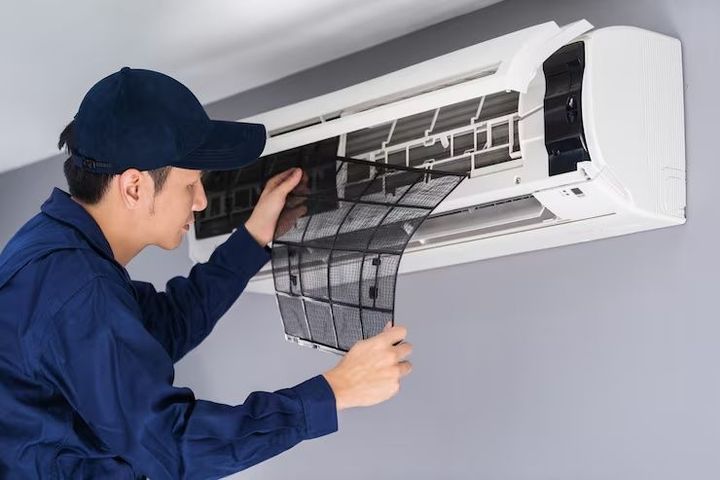
Filters should be cleaned every 1–3 months, while coils and vents should be serviced at least once a year.
What makes an AC energy efficient?
High SEER ratings, inverter technology, and smart thermostats contribute to better efficiency.
Are modern AC systems eco-friendly?
Yes, many systems now use sustainable refrigerants and energy-saving technologies to reduce environmental impact.
Conclusion
Air conditioning systems are essential for maintaining comfort, health, and productivity in modern environments. They have evolved from basic cooling devices into advanced systems integrating smart technology and sustainability features.
With ongoing innovation and stricter energy standards, air conditioning continues to improve in efficiency and environmental performance. Understanding how these systems work and using the right tools can help ensure long-term reliability and optimal energy use.