A Comprehensive Overview of Power Substation Equipment and Its Functions
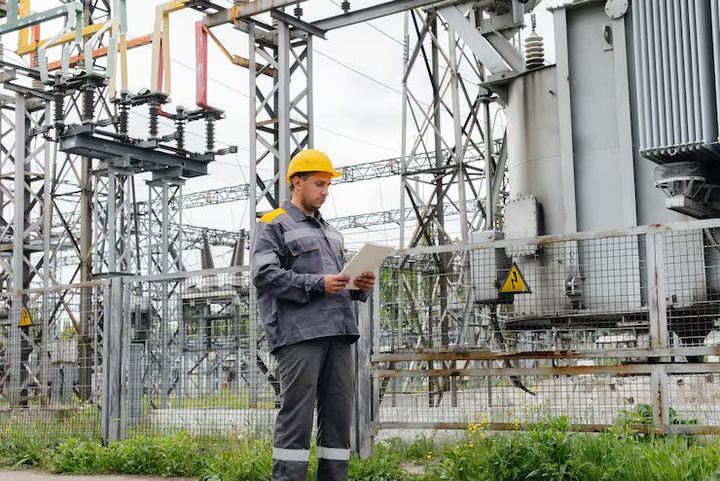
Power substations are essential components of modern electrical infrastructure. They act as transition points where electricity is transformed, regulated, and distributed across the power grid. Substations exist to ensure that electrical power generated at power plants can travel safely over long distances and reach homes, industries, and commercial facilities at usable voltage levels.
A power substation is a critical part of the electrical grid, designed to manage voltage levels, control power flow, and distribute electricity efficiently. It includes equipment such as transformers, circuit breakers, protection systems, and monitoring technologies.
Substations help maintain grid stability by balancing load demand and ensuring continuous electricity supply across urban, industrial, and remote areas. Their design depends on factors like terrain, network type, and reliability requirements.
Importance of Power Substation Equipment
Power substation equipment is essential for modern energy systems, especially as electricity demand continues to grow. It supports safe transmission, efficient distribution, and reliable grid performance.
These systems impact utilities, engineers, industries, and public infrastructure.
Key Reasons for Importance
- Support stable transmission of high-voltage electricity
- Enable integration of renewable energy sources
- Improve safety through fault detection and isolation
- Maintain power quality and voltage stability
- Ensure reliable supply for industries and cities
- Reduce downtime through automated monitoring
Substations are also crucial for supporting data centers, transport systems, and manufacturing facilities.
Recent Updates in Power Substations (2024–2025)
Recent developments show how substations are evolving with digital technology and sustainability.
Growth of Digital Substations
Digital substations using IEC 61850 standards replace traditional wiring with fiber-optic systems. This improves efficiency and real-time monitoring.
Focus on Grid Resilience
New equipment is designed to withstand extreme weather conditions such as floods, heat, and lightning. This improves reliability.
Renewable Energy Integration
Hybrid substations support both AC and DC transmission, enabling better integration of solar, wind, and energy storage systems.
Advanced Protection and Control Systems
Modern relays and automation systems include predictive diagnostics and enhanced fault detection capabilities.
Cybersecurity Enhancements
Stronger data protection and encryption systems are being implemented to secure digital substation networks.
Key Substation Equipment and Functions
The table below outlines common components used in substations.
| Equipment | Basic Function |
|---|---|
| Power Transformer | Adjusts voltage between high and low levels |
| Circuit Breaker | Interrupts abnormal currents |
| Busbar | Distributes electrical power within the system |
| Isolator | Provides safe disconnection for maintenance |
| Surge Arrester | Protects against voltage spikes and lightning |
| Capacitor Bank | Improves power factor and voltage stability |
| Protection Relay | Detects faults and triggers protective actions |
| Control Panel | Monitors system performance and communication |
Laws and Policies
Power substation equipment is governed by regulations that ensure safety, reliability, and environmental compliance.
Electrical Safety Standards
Standards such as IEC and IEEE define requirements for insulation, grounding, and equipment spacing.
Environmental Regulations
Policies address noise levels, electromagnetic exposure, and safe handling of transformer oils.
Energy Transition Policies
Government programs encourage adoption of renewable-ready equipment and grid modernization technologies.
Cybersecurity Regulations
New frameworks require secure communication systems and data protection in digital substations.
Infrastructure Reliability Rules
Utilities must maintain redundancy, regular inspections, and monitoring systems to reduce outages.
Tools and Resources
Various tools help engineers and planners design and manage substation systems.
Engineering and Design Tools
- Electrical modeling software
- Load-flow and short-circuit analysis tools
- Transformer selection calculators
Monitoring and Diagnostics Tools
- Condition monitoring dashboards
- Power quality analysis tools
- Grid visualization platforms
Technical Knowledge Resources
- IEC and IEEE standards libraries
- Grid code documentation
- Engineering manuals and training modules
Educational and Planning Tools
- Voltage-drop calculators
- Renewable integration simulators
- Substation design templates
These resources support accurate planning and efficient system management.
Frequently Asked Questions
What is the purpose of a power substation?
It transforms and distributes electricity while regulating voltage and protecting the grid from faults.
What equipment is used in substations?
Common equipment includes transformers, circuit breakers, isolators, relays, and monitoring systems.
What is a digital substation?
A digital substation uses smart sensors and fiber-optic communication to improve monitoring and automation.
Why are substations important for renewable energy?
They stabilize power from renewable sources and integrate it into the grid efficiently.
What standards apply to substation equipment?
Most regions follow IEC, IEEE, and national grid codes for safety and performance.
Conclusion
Power substations are essential for ensuring safe and efficient electricity transmission. They support modern energy needs, including renewable integration and digital grid management.
With advancements in automation, cybersecurity, and sustainable technologies, substations continue to evolve. Understanding their components, regulations, and tools helps ensure reliable and future-ready energy systems.