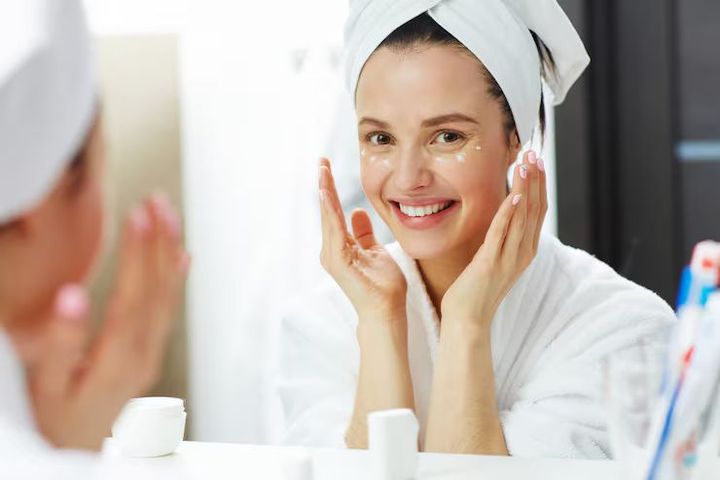
A Detailed Overview of Moisturizers: Informative Knowledge and Explanation
Moisturizers are topical formulations designed to support the skin’s hydration barrier. They exist to reduce water loss from the skin, maintain softness, and protect the outer layer from environmental factors such as dryness, temperature changes, and pollutants. For decades, moisturizers have been part of dermatology and general skincare practices because human skin naturally loses moisture through processes like evaporation and cleansing.
The concept of moisturization is based on skin physiology, where the skin barrier contains lipids, proteins, and natural moisturizing factors that maintain flexibility. When these elements become imbalanced due to weather, aging, or skincare habits, external moisturizers help restore balance.
Moisturizers are widely used across age groups and climates because they support the skin’s natural functions. They play an important role in maintaining hydration and overall skin comfort.
Importance of Moisturizers in Skin Health
Moisturizers are considered a fundamental part of skincare routines. Environmental factors like air conditioning, pollution, and seasonal changes can lead to dryness, making hydration essential.
They support the skin barrier and help maintain balance across different skin types.
Key Benefits of Moisturizers
- Support the skin’s protective barrier
- Reduce dryness and flaking
- Minimize tightness and discomfort
- Improve smoothness and texture
- Complement cleansing and exfoliation routines
Moisturizers also help manage transepidermal water loss (TEWL), a condition where the skin loses moisture faster than it can retain it.
How Moisturizers Work
Moisturizers maintain hydration through different types of ingredients that perform specific roles. These ingredients help attract, retain, and seal moisture within the skin.
Main Mechanisms
- Humectants attract water into the skin
- Emollients smooth and soften the skin surface
- Occlusives form a barrier to prevent moisture loss
This combination helps improve hydration levels and maintain skin balance over time.
Recent Updates in Moisturizer Trends (2024–2025)
Recent developments highlight increased focus on ingredient science and personalized skincare.
Barrier-Repair Ingredients
Ingredients such as ceramides, hyaluronic acid, glycerin, and squalane have gained attention for supporting long-term hydration and barrier stability.
Climate-Adaptive Skincare
New formulations consider how skin reacts to different environments. Products are being designed to adapt to humidity, temperature, and seasonal variations.
Fragrance-Free and Sensitive Skin Focus
There is growing demand for fragrance-free and non-comedogenic formulations. This shift is driven by increased awareness of skin sensitivity and allergic reactions.
Ingredient Transparency
Clear labeling and educational information about ingredients have become more important. Consumers are paying closer attention to what products contain.
Ingredient Categories in Moisturizers
Understanding ingredient types helps explain how moisturizers function.
| Ingredient Type | Function | Common Examples |
|---|---|---|
| Humectants | Attract water to the skin | Glycerin, Hyaluronic Acid |
| Emollients | Smooth and soften skin texture | Squalane, Fatty Alcohols |
| Occlusives | Create a protective barrier | Petrolatum, Shea Butter |
Laws and Regulations
Moisturizers are generally classified as cosmetic products and must follow safety and labeling standards. These regulations ensure product quality and consumer protection.
Common Regulatory Areas
- Ingredient safety assessments
- Labeling requirements for allergens
- Guidelines for preservatives
- Rules for product claims
- Manufacturing and quality standards
Global Examples
- In the United States, regulations are guided by the Food and Drug Administration (FDA)
- In the European Union, products follow EU Cosmetics Regulation
- Many countries follow Good Manufacturing Practices (GMP)
These frameworks help maintain consistency and safety across skincare products.
Tools and Resources
Various tools can help individuals better understand moisturizers and skincare.
Educational Resources
- Ingredient analysis platforms
- Dermatology research databases
- Skincare knowledge libraries
Practical Tools
- Mobile apps for tracking humidity and skin conditions
- Skincare routine planners
- Ingredient comparison charts
These resources support informed decisions and better understanding of skincare routines.
Frequently Asked Questions
What is the main purpose of a moisturizer?
A moisturizer helps maintain hydration by reducing water loss and supporting the skin barrier. It keeps the skin soft and comfortable.
Do all skin types need moisturizers?
Yes. Even oily and combination skin types benefit from hydration, as it helps maintain balance and prevent excess oil production.
What ingredients are commonly used in moisturizers?
Common ingredients include humectants like hyaluronic acid, emollients like squalane, and occlusives like shea butter.
How often should moisturizers be applied?
Most people apply moisturizers once or twice daily, depending on their routine and environment.
Are fragrance-free moisturizers necessary?
They are recommended for sensitive skin, as fragrance can sometimes cause irritation.
Conclusion
Moisturizers play a key role in maintaining skin hydration and supporting the skin barrier. They are widely used in daily skincare and are backed by growing research in dermatology and ingredient science.
With increased awareness of ingredients, environmental factors, and skin sensitivity, moisturizers continue to evolve. They remain an essential part of maintaining healthy, balanced, and resilient skin.