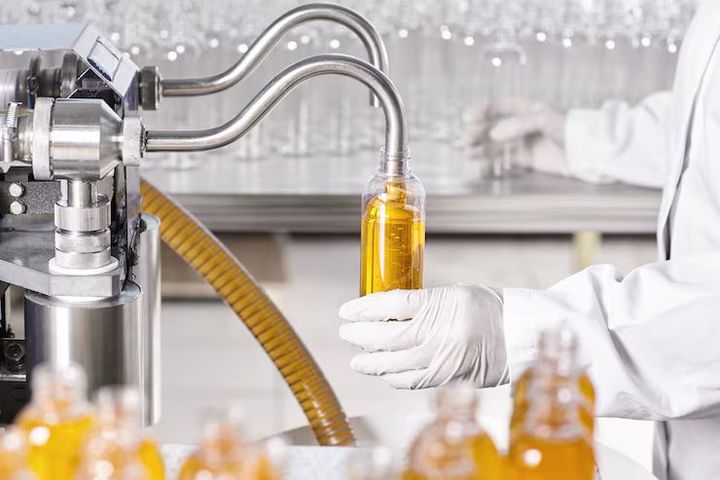
A Practical Guide to Exploring Different Types of Oil Cleaning Systems
Oil cleaning systems are essential technologies designed to remove impurities, water, and solid particles from lubricating and hydraulic oils. These systems play a crucial role in maintaining machinery efficiency, reducing wear, and extending the lifespan of industrial and automotive components.
Oil contamination is a major cause of machinery failure across industries such as manufacturing, power generation, transportation, and marine operations. Over time, oil accumulates particles, sludge, and water, reducing its effectiveness. Oil cleaning systems are designed to remove these contaminants and restore oil quality.
Modern oil cleaning technologies include centrifugal separators, vacuum dehydrators, electrostatic filters, and magnetic purifiers. These systems help maintain machinery performance and support efficient industrial operations.
Importance of Oil Cleaning Systems
Oil cleaning systems are essential for maintaining equipment reliability, reducing costs, and supporting environmental sustainability. Clean oil ensures proper lubrication and smooth machine operation.
They are widely used in industries such as automotive, energy, marine, and heavy machinery.
Key Reasons for Importance
- Protect equipment by reducing friction and wear
- Improve energy efficiency by maintaining optimal oil performance
- Extend oil life and reduce replacement costs
- Minimize environmental impact through reduced waste oil disposal
- Support compliance with environmental and safety regulations
These systems help industries maintain consistent performance and reduce downtime.
Recent Updates in Oil Cleaning Technology (2024–2025)
Recent innovations show how oil filtration systems are becoming smarter and more sustainable.
Smart Oil Filtration Systems
IoT-enabled sensors monitor oil quality, temperature, and moisture levels in real time.
Nano-Filtration Technologies
Advanced nano-porous filters improve contaminant removal and extend oil lifespan.
Hybrid Filtration Systems
Combination systems use electrostatic cleaning and vacuum dehydration for better efficiency.
Eco-Friendly Filtration Media
Biodegradable and reusable filter materials reduce environmental impact.
AI-Based Predictive Maintenance
Artificial intelligence predicts oil degradation and schedules maintenance proactively.
Regenerative Oil Cleaning Units
These systems continuously clean and reuse oil, reducing waste and improving sustainability.
Key Trends Overview
| Trend (2024–2025) | Description |
|---|---|
| IoT Monitoring | Real-time oil condition tracking |
| Nano-Filtration | High-efficiency contaminant removal |
| Hybrid Systems | Combined filtration technologies |
| Eco-Friendly Materials | Sustainable filter media |
| AI Maintenance | Predictive system performance |
| Regenerative Systems | Continuous oil recycling |
Laws and Policies
Oil cleaning systems must comply with environmental, safety, and industrial standards.
Environmental Protection Regulations
Agencies like the Environmental Protection Agency enforce rules under laws such as the Clean Water Act and Resource Conservation and Recovery Act.
Waste Management Policies
Frameworks like the EU Waste Framework Directive promote recycling and reuse of lubricants.
Industrial Standards
Standards such as ISO 4406 and ISO 16889 define oil cleanliness levels and filtration performance.
Energy Efficiency Programs
Initiatives like the EU Green Deal encourage adoption of energy-efficient oil cleaning systems.
Compliance and Reporting
Industries must document oil usage, recycling, and disposal to meet regulatory requirements.
Tools and Resources
Various tools help monitor and manage oil cleaning systems effectively.
Monitoring and Analysis Tools
- OilView Analyzer for contamination tracking
- Parker Fluid Condition Sensor for real-time monitoring
- Hydac CMU 1000 for oil quality analysis
Maintenance Management Tools
- UpKeep and Fiix for maintenance scheduling
- Limble CMMS for tracking equipment performance
Data and AI Platforms
- ABB Ability™ for system analytics
- Siemens MindSphere for predictive maintenance
Training and Compliance Resources
- U.S. EPA waste oil guidelines
- ISO standards databases
- ICML certification programs
Tools Overview
| Tool / Platform | Purpose |
|---|---|
| OilView Analyzer | Monitor contamination levels |
| Parker Sensor | Real-time oil condition tracking |
| Hydac CMU 1000 | Oil analysis and diagnostics |
| ABB Ability | Data analytics and performance monitoring |
| CMMS Tools | Maintenance scheduling and tracking |
These tools help improve efficiency, ensure compliance, and extend equipment life.
Frequently Asked Questions
What types of oil cleaning systems are used?
Common types include centrifugal cleaners, vacuum dehydrators, electrostatic filters, and magnetic purifiers.
How often should oil cleaning systems be maintained?
Maintenance is typically required every 3–6 months, depending on usage and oil condition.
What signs indicate oil contamination?
Dark color, increased viscosity, foaming, and high water content are common indicators.
Can all oils be cleaned?
Most hydraulic and lubricating oils can be cleaned, though some require specialized filtration systems.
How does oil cleaning support sustainability?
It reduces waste, extends oil life, improves energy efficiency, and lowers environmental impact.
Conclusion
Oil cleaning systems are critical for maintaining machinery efficiency, reducing operational costs, and supporting environmental sustainability. They ensure that industrial equipment operates smoothly and reliably.
With advancements in AI, IoT, and eco-friendly technologies, oil cleaning systems continue to evolve. Understanding their importance, regulations, and tools helps industries achieve efficient, safe, and sustainable operations.