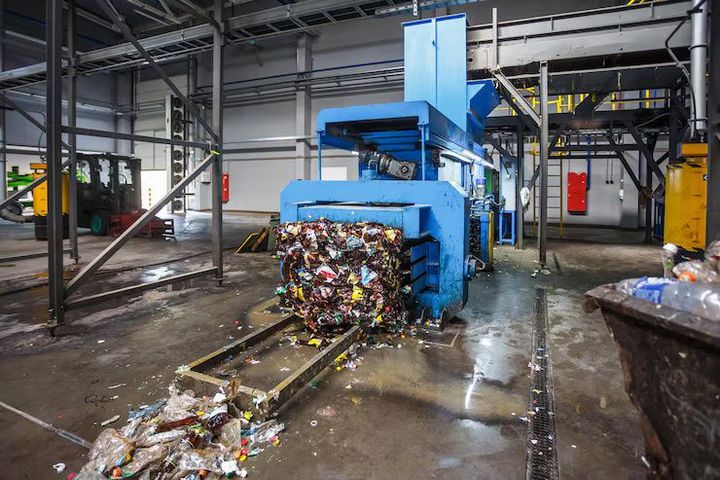
A Practical Guide to Exploring Types of Industrial Recycling Machines
Industrial recycling machines are essential tools in waste management systems, designed to process, separate, and repurpose materials such as metal, plastic, paper, and glass. These machines convert waste into reusable resources, reducing landfill accumulation and supporting a circular economy.
Industrial recycling machines emerged as industries sought efficient ways to manage waste generated during large-scale manufacturing. Over time, these machines have evolved into advanced systems using automation, robotics, and artificial intelligence to process materials with high precision.
Today, they are widely used in sectors such as construction, automotive, packaging, and electronics, playing a key role in sustainable waste management and resource recovery.
Importance of Industrial Recycling Machines
Industrial recycling machines are essential for improving environmental sustainability and resource efficiency. They help industries reduce waste while recovering valuable materials.
Their role extends across environmental, economic, and industrial domains.
Key Reasons for Importance
- Reduce pollution and greenhouse gas emissions
- Recover reusable materials from waste streams
- Improve operational efficiency through automation
- Support corporate sustainability goals
- Ensure compliance with environmental regulations
For example, recycling aluminum can save up to 95% of the energy compared to producing it from raw materials.
Recent Updates in Recycling Technology (2024–2025)
Recent innovations highlight rapid advancements in recycling systems.
AI-Powered Sorting Systems
Advanced sensors and machine learning identify materials based on color, texture, and density, improving sorting accuracy.
Robotic Waste Separation
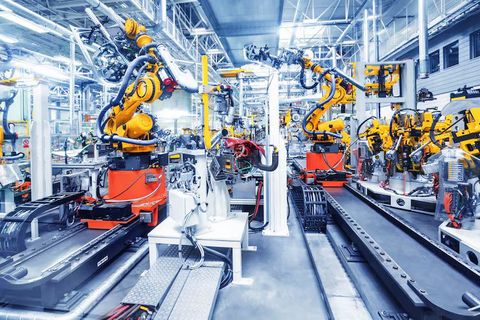
Autonomous robotic arms increase processing speed and reduce human effort in recycling facilities.
Energy-Efficient Shredders
New shredding machines consume less power while handling diverse materials.
E-Waste and Battery Recycling
Specialized machines now recover valuable metals such as lithium, cobalt, and nickel from electronic waste.
Circular Economy Integration
Recycling systems are being designed to feed materials back into production cycles, supporting circular manufacturing.
Blockchain-Based Tracking
Blockchain technology enables transparent tracking of materials from waste collection to reuse.
Key Trends Overview
| Trend (2024–2025) | Description |
|---|---|
| AI Sorting | High-precision material identification |
| Robotics | Automated waste separation systems |
| Energy Efficiency | Reduced power consumption in machines |
| E-Waste Recycling | Recovery of rare and valuable metals |
| Circular Economy | Closed-loop material reuse |
| Blockchain Tracking | Transparent waste management systems |
Laws and Policies
Industrial recycling machines operate under strict environmental and safety regulations.
Waste Management Regulations
Policies such as the EU Waste Framework Directive promote recycling and resource recovery to support a circular economy.
Environmental Protection Laws
Agencies like the U.S. Environmental Protection Agency enforce recycling standards under frameworks such as the Resource Conservation and Recovery Act.
Industrial Safety Standards
Machines must comply with certifications like ISO 14001 and CE marking to ensure safe and environmentally responsible operations.
Extended Producer Responsibility (EPR)
Manufacturers are required to manage waste generated by their products, increasing demand for recycling technologies.
Energy and Emission Controls
Regulations based on global agreements such as the Paris Agreement encourage low-emission and energy-efficient recycling systems.
Hazardous Waste Handling Rules
Specialized machines handling e-waste must follow strict safety protocols to prevent environmental contamination.
Tools and Resources
Various tools support the operation and optimization of recycling systems.
Industrial Technology Platforms
- Machinex Technologies for automated sorting
- Tomra Sorting Solutions for sensor-based material recognition
- CP Group Recycling Systems for integrated waste processing
Monitoring and Analysis Tools
- Recycling efficiency calculators
- Energy consumption monitoring systems
- Smart industrial platforms like EcoStruxure
Regulatory and Knowledge Resources
- EPA recycling guidelines portal
- Environmental compliance documentation
- Industry research reports
Tools Overview
| Tool / Platform | Purpose |
|---|---|
| Machinex | Automated sorting and baling systems |
| Tomra | Sensor-based material identification |
| CP Group | Integrated recycling solutions |
| EcoStruxure | Energy and performance monitoring |
| EPA Portal | Compliance and regulatory guidance |
These tools help improve efficiency, compliance, and sustainability in recycling operations.
Frequently Asked Questions
What types of recycling machines are commonly used?
Common machines include shredders, crushers, balers, sorting systems, granulators, and compactors.
How does automation improve recycling?
Automation increases speed and accuracy in sorting, leading to higher material recovery and reduced waste.
What materials can be recycled?
Materials include metals, plastics, paper, glass, e-waste, and construction debris.
Are recycling machines environmentally friendly?
Yes. Many are designed with energy-efficient systems and low emissions to reduce environmental impact.
How is data used in recycling systems?
Data helps monitor machine performance, optimize operations, and improve efficiency through analytics.
Conclusion
Industrial recycling machines are essential for modern waste management and sustainable resource use. They help industries reduce environmental impact while improving efficiency and compliance.
With advancements in AI, robotics, and circular economy systems, recycling technology continues to evolve. Understanding these machines, regulations, and tools supports more responsible and efficient industrial practices, contributing to a cleaner and more sustainable future.