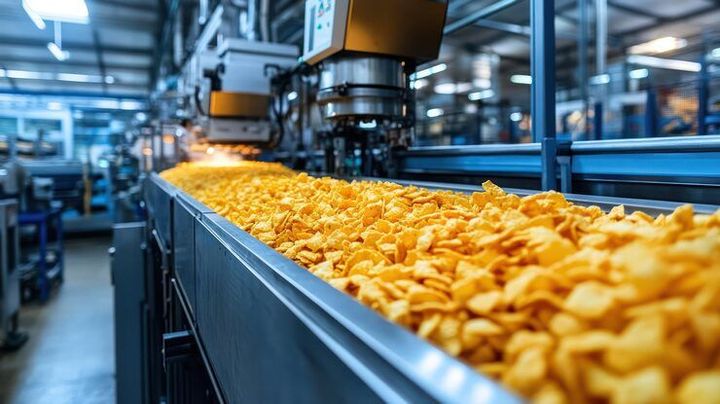
A Practical Guide to Food Industry Machinery and Production Systems
Food reaches consumers through a long journey that involves preparation, processing, packaging, and transportation. Behind much of this process is food industry machinery, a broad category of equipment designed to help handle food products efficiently while maintaining quality and safety standards.
From bread and dairy products to frozen meals and beverages, machinery plays an important role in modern food production. While many people are familiar with the finished products they find in stores, fewer understand the equipment that helps make large-scale food production possible.
This article explores food industry machinery, its main types, applications, benefits, challenges, and future developments in a way that is easy to understand for readers without a technical background.

What Is Food Industry Machinery?
Food industry machinery refers to equipment used in the preparation, processing, packaging, storage, and handling of food products. These machines help food producers manage large volumes of ingredients and finished goods while maintaining consistency and hygiene.
The food sector includes many different product categories, such as:
- Bakery products
- Dairy products
- Meat and poultry
- Fruits and vegetables
- Snacks
- Beverages
- Frozen foods
- Confectionery products
Because each category has unique requirements, different types of machinery are used throughout production facilities.
Why Food Industry Machinery Matters
Food demand continues to grow as populations increase and consumer preferences evolve. Machinery helps food producers meet this demand while maintaining product quality and safety.
Without modern equipment, producing large quantities of food would require significantly more manual labor and time. Machinery allows producers to process ingredients more efficiently and maintain consistent results across batches.
It also supports food safety by reducing direct handling and helping maintain controlled production environments.
Main Types of Food Industry Machinery
Food production involves multiple stages, and different machines are designed for each step.
Processing Equipment
Processing equipment transforms raw ingredients into finished or semi-finished products.
Examples include:
- Mixers
- Grinders
- Blenders
- Slicers
- Cutting machines
- Cooking systems
These machines help prepare ingredients according to specific recipes and production requirements.
Heating and Cooking Equipment
Many food products require controlled heating during production.
Common equipment includes:
- Ovens
- Steam cookers
- Frying systems
- Roasting equipment
- Pasteurization systems
These machines help achieve the desired texture, flavor, and safety standards.
Cooling and Freezing Equipment
Temperature control is essential in many food categories.
Examples include:
- Refrigeration systems
- Blast freezers
- Cooling tunnels
- Chilling units
Proper cooling helps maintain freshness and extends product shelf life.
Packaging Machinery
Packaging protects food products during storage and transportation.
Common packaging equipment includes:
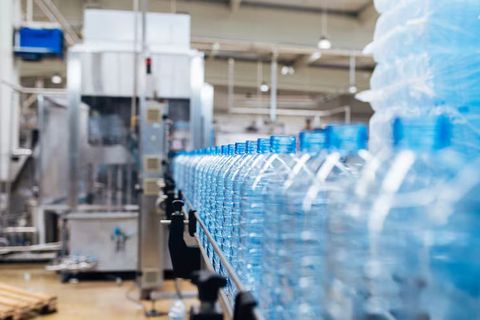
- Filling machines
- Sealing machines
- Labeling equipment
- Wrapping systems
- Cartoning machines
Packaging machinery helps ensure products remain protected until they reach consumers.
Material Handling Equipment
Food production facilities often move large quantities of ingredients and finished products.
Material handling machinery may include:
- Conveyors
- Elevators
- Automated transport systems
- Storage equipment
These systems help streamline production flow and reduce unnecessary movement.
Food Safety and Hygiene Considerations
Food safety is one of the most important aspects of food production.
Machinery used in food environments is often designed with hygiene in mind. Smooth surfaces, stainless steel construction, and easy-to-clean components help reduce contamination risks.
Regular cleaning and maintenance are important to ensure equipment continues operating safely.
Key hygiene considerations include:
- Preventing cross-contamination
- Maintaining clean surfaces
- Managing temperature control
- Following sanitation procedures
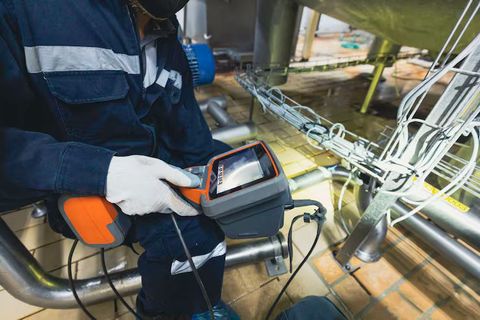
- Conducting routine inspections
Food producers typically follow national and international food safety guidelines to support safe production practices.
Benefits of Food Industry Machinery
Food industry machinery provides several important advantages throughout the production process.
Improved Efficiency
Machines can process large quantities of food more quickly than manual methods. This helps producers keep pace with market demand.
Consistent Product Quality
Consumers expect products to look, taste, and perform consistently. Machinery helps maintain uniform production standards.
Enhanced Food Safety
Automated systems can reduce unnecessary handling and support cleaner production environments.
Better Resource Management
Modern equipment often helps manage ingredients, energy, and production schedules more effectively.
Reduced Physical Strain
Many food production tasks involve repetitive movement or heavy lifting. Machinery can assist with these activities and improve workplace conditions.
Challenges Associated with Food Industry Machinery
While machinery brings many advantages, it also presents certain challenges.
Maintenance Requirements
Equipment requires regular inspection and upkeep to ensure reliable performance.
Training Needs
Operators need appropriate knowledge to use machinery safely and effectively.
Technology Updates
As equipment evolves, facilities may need to adapt to new systems and digital tools.
Food Safety Compliance
Producers must ensure machinery continues meeting applicable food safety standards and regulations.
Addressing these challenges helps maintain smooth production processes and long-term operational reliability.
Automation in Food Production
Automation has become increasingly common in food manufacturing environments.
Automated systems can perform tasks such as:
- Ingredient measurement
- Product sorting
- Packaging
- Quality inspection
- Production monitoring
Automation can improve consistency and reduce the likelihood of human error during repetitive processes.
In some facilities, sensors and digital monitoring systems provide real-time information about production performance. This allows operators to identify issues more quickly and make informed decisions.
Sustainability and Environmental Considerations
Sustainability is becoming an important focus throughout the food sector.
Many manufacturers are exploring machinery designed to support:
- Reduced energy consumption
- Lower water usage
- Reduced food waste
- Improved packaging efficiency
- Resource conservation
Environmental considerations are influencing equipment design and production strategies across many areas of the food industry.
As consumers and regulators place greater attention on sustainability, machinery manufacturers continue developing technologies that support responsible production practices.
Future Trends in Food Industry Machinery
Several trends are shaping the future of food processing equipment.
Smart Manufacturing
Connected systems can collect production data and provide insights into equipment performance and operational efficiency.
Artificial Intelligence
AI technologies are increasingly being used to support quality control, predictive maintenance, and process optimization.
Robotics
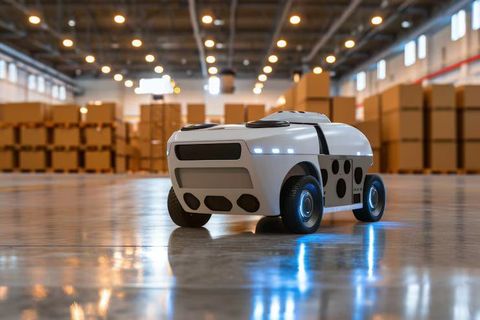
Robotic systems are becoming more common in packaging, sorting, and material handling applications.
Advanced Monitoring Systems
Sensors and digital platforms help track production conditions and support faster decision-making.
Flexible Production Equipment
Manufacturers are increasingly seeking machinery that can adapt to changing product requirements and consumer preferences.
These developments are expected to influence how food products are processed and packaged in the coming years.
Conclusion
Food industry machinery plays a vital role in modern food production. From ingredient preparation and cooking to packaging and storage, these systems help producers manage large-scale operations while supporting food quality and safety.
As technology continues to evolve, food machinery is becoming more efficient, connected, and adaptable. Automation, digital monitoring, sustainability initiatives, and intelligent production systems are shaping the future of the industry.
Although many consumers rarely see the equipment behind food production, these machines remain an essential part of delivering safe, consistent, and widely available food products to communities around the world.